
7 Key Manufacturing Criteria for Selecting a Reliable Tile Roof Solar Mounting Supplier
June 07, 2026
For residential, commercial, and industrial buildings with tiled rooftops, the quality of the mounting supplier directly influences installation safety, system durability, and long-term solar performance. While many suppliers can provide basic mounting components, not every manufacturer has the production capability required for consistent quality and reliable project delivery.
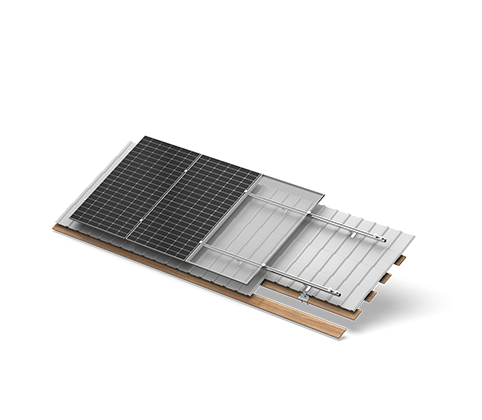
When evaluating tile roof solar mounting manufacturers, buyers should look beyond product appearance and pricing. Manufacturing processes, quality control systems, engineering capability, and supply reliability determine whether a supplier can support successful solar installations at scale.
A strong manufacturing partner should not only produce mounting hardware but also understand how each component performs when installed on different tile roof structures and exposed to outdoor conditions for decades.
The first metric to evaluate is how effectively a manufacturer controls quality during production. Solar mounting components may appear simple, but small differences in dimensions, material thickness, or connection accuracy can create installation problems.
A reliable supplier should have clear inspection procedures covering raw materials, component processing, assembly, and final product checks. Consistent manufacturing standards help ensure that every batch performs according to the required specifications.
For tile roof applications, production accuracy is especially important because mounting components must fit precisely with roof hooks, rails, and tile structures. Poor manufacturing consistency can increase installation time and create unnecessary adjustments on-site.
Solar mounting systems remain outdoors throughout their operating life, making material selection a critical evaluation factor. Roof environments expose components to rain, humidity, temperature changes, and other environmental conditions.
When comparing tile roof solar mounting manufacturers, buyers should examine whether suppliers use materials suitable for long-term outdoor applications. Corrosion resistance, surface protection, and mechanical strength all contribute to system reliability.
High-quality materials help prevent premature degradation of hooks, rails, fasteners, and structural connections. This is particularly important for rooftop projects where component replacement may require additional labor and disruption.
A manufacturer that prioritizes material performance demonstrates a commitment to lifecycle value rather than only short-term cost reduction.
Tile roofs come in different shapes, sizes, and installation styles, which means mounting components must be manufactured with high precision. A slight dimensional difference can affect how securely the system connects with the roof structure.
Manufacturing precision influences the entire installation process. Accurate components allow installers to complete projects more efficiently while maintaining structural stability.
At Antaisolar, we focus on developing rooftop mounting solutions that consider the relationship between components, roof conditions, and installation requirements. Our tile roof solutions are designed to support different application scenarios through reliable structural integration.
For suppliers, the ability to consistently manufacture compatible components is an important indicator of technical maturity.
Manufacturing capability is not only about producing individual parts. The level of system preparation before delivery can significantly influence project execution.
Suppliers that provide pre-assembled components can help reduce installation complexity and improve construction efficiency. This is especially valuable for rooftop solar projects where installers often work in limited spaces and need to complete work safely.
A well-organized manufacturing process can reduce unnecessary adjustments during installation. Components that arrive ready for efficient assembly allow project teams to save time while maintaining quality standards.
For large numbers of rooftop installations, these small improvements can create significant benefits across an entire project portfolio.
Different tile roof structures may require different mounting approaches. A supplier’s ability to provide engineering support is therefore an important manufacturing metric.
Experienced manufacturers should be able to analyze project conditions and recommend suitable configurations instead of offering only standardized products.
Customization capability does not necessarily mean creating completely new products for every project. It means having the engineering knowledge to adapt solutions according to roof type, installation requirements, and local conditions.
This capability helps customers avoid design conflicts and improves confidence before construction begins.
Manufacturing quality should be supported by proper testing and validation processes. Solar mounting components need to maintain mechanical performance under long-term outdoor exposure.
A professional supplier should evaluate factors such as structural strength, connection reliability, and environmental resistance during product development.
Testing provides confidence that mounting components can perform consistently after installation. For solar projects designed to operate for many years, reliability validation is an essential part of supplier evaluation.
Buyers should consider whether a manufacturer treats testing as a core part of production or only as a final requirement.
A supplier may have excellent products, but insufficient manufacturing capacity can affect project schedules. Delivery reliability is therefore another important metric when selecting a mounting partner.
Large solar projects require stable production planning, efficient inventory management, and strong supply chain coordination. Manufacturers with established production systems are better positioned to support projects with strict timelines.
When choosing between different tile roof solar mounting manufacturers, buyers should evaluate not only current production capability but also the supplier’s ability to handle future demand.
Reliable delivery helps installers maintain project schedules and reduces risks caused by equipment shortages.
Selecting a tile roof solar mounting partner requires a detailed evaluation of manufacturing capability rather than focusing only on product cost. Quality control, material performance, manufacturing precision, installation preparation, engineering support, testing standards, and delivery reliability all determine the value a supplier can provide.
The right tile roof solar mounting manufacturers should combine production expertise with practical knowledge of rooftop solar installation requirements. By reviewing these seven manufacturing metrics, project developers and installers can identify partners capable of delivering safe, efficient, and durable mounting solutions.
A strong manufacturing foundation creates the conditions for smoother installation, reliable operation, and long-term solar system performance.
When evaluating tile roof solar mounting manufacturers, buyers should look beyond product appearance and pricing. Manufacturing processes, quality control systems, engineering capability, and supply reliability determine whether a supplier can support successful solar installations at scale.
A strong manufacturing partner should not only produce mounting hardware but also understand how each component performs when installed on different tile roof structures and exposed to outdoor conditions for decades.
1. Production Quality Control Across Every Manufacturing Stage
The first metric to evaluate is how effectively a manufacturer controls quality during production. Solar mounting components may appear simple, but small differences in dimensions, material thickness, or connection accuracy can create installation problems.
A reliable supplier should have clear inspection procedures covering raw materials, component processing, assembly, and final product checks. Consistent manufacturing standards help ensure that every batch performs according to the required specifications.
For tile roof applications, production accuracy is especially important because mounting components must fit precisely with roof hooks, rails, and tile structures. Poor manufacturing consistency can increase installation time and create unnecessary adjustments on-site.
2. Material Quality and Corrosion Resistance
Solar mounting systems remain outdoors throughout their operating life, making material selection a critical evaluation factor. Roof environments expose components to rain, humidity, temperature changes, and other environmental conditions.
When comparing tile roof solar mounting manufacturers, buyers should examine whether suppliers use materials suitable for long-term outdoor applications. Corrosion resistance, surface protection, and mechanical strength all contribute to system reliability.
High-quality materials help prevent premature degradation of hooks, rails, fasteners, and structural connections. This is particularly important for rooftop projects where component replacement may require additional labor and disruption.
A manufacturer that prioritizes material performance demonstrates a commitment to lifecycle value rather than only short-term cost reduction.
3. Manufacturing Precision and Component Compatibility
Tile roofs come in different shapes, sizes, and installation styles, which means mounting components must be manufactured with high precision. A slight dimensional difference can affect how securely the system connects with the roof structure.
Manufacturing precision influences the entire installation process. Accurate components allow installers to complete projects more efficiently while maintaining structural stability.
At Antaisolar, we focus on developing rooftop mounting solutions that consider the relationship between components, roof conditions, and installation requirements. Our tile roof solutions are designed to support different application scenarios through reliable structural integration.
For suppliers, the ability to consistently manufacture compatible components is an important indicator of technical maturity.
4. Pre-Assembly Capability and Installation Efficiency
Manufacturing capability is not only about producing individual parts. The level of system preparation before delivery can significantly influence project execution.
Suppliers that provide pre-assembled components can help reduce installation complexity and improve construction efficiency. This is especially valuable for rooftop solar projects where installers often work in limited spaces and need to complete work safely.
A well-organized manufacturing process can reduce unnecessary adjustments during installation. Components that arrive ready for efficient assembly allow project teams to save time while maintaining quality standards.
For large numbers of rooftop installations, these small improvements can create significant benefits across an entire project portfolio.
5. Engineering Support and Customization Capability
Different tile roof structures may require different mounting approaches. A supplier’s ability to provide engineering support is therefore an important manufacturing metric.
Experienced manufacturers should be able to analyze project conditions and recommend suitable configurations instead of offering only standardized products.
Customization capability does not necessarily mean creating completely new products for every project. It means having the engineering knowledge to adapt solutions according to roof type, installation requirements, and local conditions.
This capability helps customers avoid design conflicts and improves confidence before construction begins.
6. Testing Procedures and Reliability Validation
Manufacturing quality should be supported by proper testing and validation processes. Solar mounting components need to maintain mechanical performance under long-term outdoor exposure.
A professional supplier should evaluate factors such as structural strength, connection reliability, and environmental resistance during product development.
Testing provides confidence that mounting components can perform consistently after installation. For solar projects designed to operate for many years, reliability validation is an essential part of supplier evaluation.
Buyers should consider whether a manufacturer treats testing as a core part of production or only as a final requirement.
7. Production Capacity and Delivery Reliability
A supplier may have excellent products, but insufficient manufacturing capacity can affect project schedules. Delivery reliability is therefore another important metric when selecting a mounting partner.
Large solar projects require stable production planning, efficient inventory management, and strong supply chain coordination. Manufacturers with established production systems are better positioned to support projects with strict timelines.
When choosing between different tile roof solar mounting manufacturers, buyers should evaluate not only current production capability but also the supplier’s ability to handle future demand.
Reliable delivery helps installers maintain project schedules and reduces risks caused by equipment shortages.
Conclusion
Selecting a tile roof solar mounting partner requires a detailed evaluation of manufacturing capability rather than focusing only on product cost. Quality control, material performance, manufacturing precision, installation preparation, engineering support, testing standards, and delivery reliability all determine the value a supplier can provide.
The right tile roof solar mounting manufacturers should combine production expertise with practical knowledge of rooftop solar installation requirements. By reviewing these seven manufacturing metrics, project developers and installers can identify partners capable of delivering safe, efficient, and durable mounting solutions.
A strong manufacturing foundation creates the conditions for smoother installation, reliable operation, and long-term solar system performance.
end