
Comparing Static and Dynamic Structural Wind Engineering Models Applied by Solar Racking Manufacturers
September 03, 2026
Wind is one of the most important structural considerations for utility-scale photovoltaic projects, particularly as arrays become larger, taller, and more mechanically complex. For us, understanding how wind is represented in engineering models is essential to designing dependable mounting systems. The difference between static and dynamic analysis is not simply a choice between two software methods; it affects how engineers evaluate loads, movement, fatigue, and operational risk. For project developers and EPC teams, knowing the distinction helps when assessing solar mounting structure manufacturers.
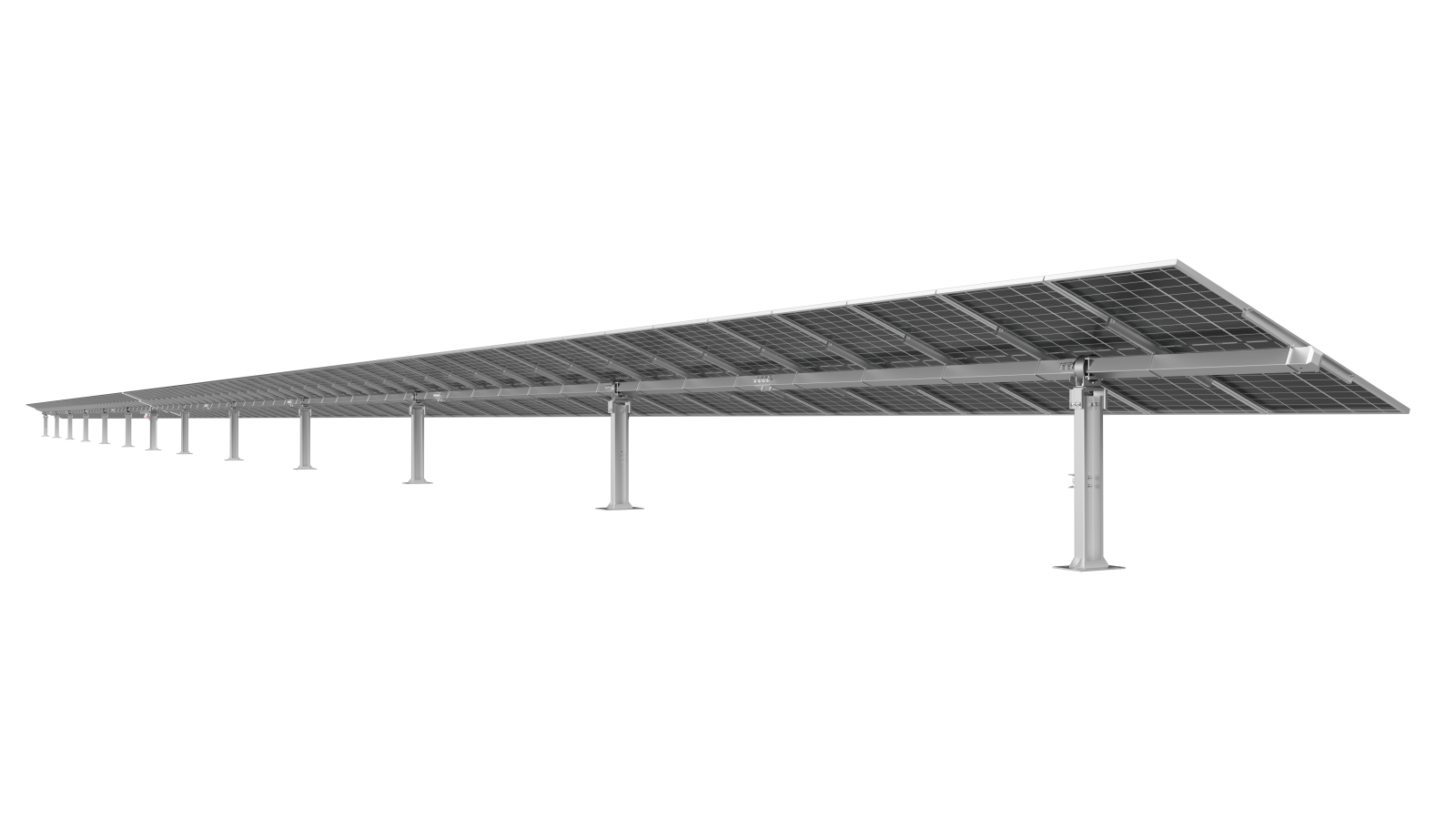
For fixed structures, engineers often begin with design wind speeds and pressure coefficients and convert them into structural loads. The resulting forces can then be checked against members, connections, foundations, and serviceability requirements. This approach is valuable because it is comparatively straightforward and fits established structural design workflows.
For many projects, the strength of this method is efficiency. It allows engineering teams to compare alternatives quickly while considering site-specific parameters such as wind speed, terrain, array geometry, tilt angle, and support configuration. However, a static model can simplify time-varying aerodynamic behavior and may not fully describe how a flexible tracker responds to changing wind.
Research conducted through the National Renewable Energy Laboratory illustrates why this matters. A high-wind tracker test project collected data to validate survivability and improve understanding of tracker dynamic behavior during high-wind events, including phenomena such as torsional galloping.
For a buyer comparing solar mounting structure manufacturers, the more useful question is therefore: what level of analysis is appropriate for the project? Site wind climate, tracker geometry, terrain complexity, structural flexibility, operating modes, and local design standards can all influence the engineering approach. A credible supplier should be able to connect its modeling method with the project's actual risk profile.
We design our Antaisolar solar tracking systems around this combination of mechanical and intelligent control considerations. Our portfolio includes 1P and 2P tracker designs, supported by SmartTrail™ intelligent control technology. Our systems incorporate wind stow functionality, automatically moving trackers toward preset storm-protection positions when high-wind alerts are triggered.
This integration matters commercially because structural resilience is only one part of project performance. A tracker must also return to normal operation effectively, limit maintenance demands, and support consistent energy production. Our systems use robust slew-drive designs, sealed components, corrosion-resistant coatings, and self-lubricating bearings to support long-term operation.
Certification and independent evaluation can also strengthen confidence. Antaisolar states that its tracker systems have undergone testing and certification by independent authorities including DNV and Solida, while its two decades of experience in solar mounting systems and global project delivery further support its approach to quality and reliability.
At Antaisolar, we combine structural engineering with intelligent tracking and practical project support to develop mounting solutions for demanding solar applications. By considering both structural loads and operational behavior, we aim to help project teams make informed decisions about reliability, lifecycle performance, and long-term solar generation.
Why Wind Modeling Matters for PV Structures
A solar array is exposed to changing wind speed, direction, turbulence, and pressure. ASCE/SEI 7-22, for example, provides design-load provisions for wind and includes provisions addressing roof- and ground-mounted solar arrays. The standard also reflects a broader principle: wind design depends on both atmospheric and aerodynamic effects.For fixed structures, engineers often begin with design wind speeds and pressure coefficients and convert them into structural loads. The resulting forces can then be checked against members, connections, foundations, and serviceability requirements. This approach is valuable because it is comparatively straightforward and fits established structural design workflows.
Static Models: Efficient Design for Defined Load Cases
Static wind models treat wind action as an equivalent load or a set of load cases applied to a structural model. Instead of reproducing every fluctuation in airflow, engineers evaluate representative or governing conditions. This makes static analysis useful for sizing steel members, checking connections, and reviewing foundation reactions.For many projects, the strength of this method is efficiency. It allows engineering teams to compare alternatives quickly while considering site-specific parameters such as wind speed, terrain, array geometry, tilt angle, and support configuration. However, a static model can simplify time-varying aerodynamic behavior and may not fully describe how a flexible tracker responds to changing wind.
Dynamic Models Capture Movement and Interaction
Dynamic wind engineering models add time-dependent behavior to the analysis. Rather than considering only a single equivalent force, engineers can study how wind fluctuations interact with structural mass, stiffness, damping, and natural frequencies. This becomes especially relevant for tracking systems, where the array is designed to move during normal operation and may change position when severe weather approaches.Research conducted through the National Renewable Energy Laboratory illustrates why this matters. A high-wind tracker test project collected data to validate survivability and improve understanding of tracker dynamic behavior during high-wind events, including phenomena such as torsional galloping.
Static vs Dynamic: What Project Teams Should Compare
When we evaluate wind engineering approaches, we do not treat static and dynamic models as competing philosophies. They answer different questions. Static analysis is highly effective for conventional strength and load-path checks, while dynamic analysis can provide additional insight into vibration, transient response, and changing aerodynamic conditions.For a buyer comparing solar mounting structure manufacturers, the more useful question is therefore: what level of analysis is appropriate for the project? Site wind climate, tracker geometry, terrain complexity, structural flexibility, operating modes, and local design standards can all influence the engineering approach. A credible supplier should be able to connect its modeling method with the project's actual risk profile.
How Tracking Systems Raise the Engineering Bar
Single-axis trackers introduce additional considerations because their orientation changes throughout the day. During high-wind events, tracking controls can move the array into a predefined stow position to reduce structural exposure. Industry energy-modeling guidance notes that stow strategies are used to help prevent structural failure or collapse during high-wind events, although stowing can also create energy-production losses.We design our Antaisolar solar tracking systems around this combination of mechanical and intelligent control considerations. Our portfolio includes 1P and 2P tracker designs, supported by SmartTrail™ intelligent control technology. Our systems incorporate wind stow functionality, automatically moving trackers toward preset storm-protection positions when high-wind alerts are triggered.
This integration matters commercially because structural resilience is only one part of project performance. A tracker must also return to normal operation effectively, limit maintenance demands, and support consistent energy production. Our systems use robust slew-drive designs, sealed components, corrosion-resistant coatings, and self-lubricating bearings to support long-term operation.
Choosing a Manufacturer Through an Engineering Lens
We believe buyers should look beyond headline wind-resistance numbers when evaluating solar mounting structure manufacturers. A stronger assessment considers whether the supplier understands the relationship between aerodynamic loading, structural response, tracker controls, and site conditions.Certification and independent evaluation can also strengthen confidence. Antaisolar states that its tracker systems have undergone testing and certification by independent authorities including DNV and Solida, while its two decades of experience in solar mounting systems and global project delivery further support its approach to quality and reliability.
Building More Resilient Solar Projects
Static and dynamic wind engineering models each have a legitimate role in PV structural design. Static approaches provide efficient evaluation of defined design loads, while dynamic approaches help engineers understand time-dependent response and complex tracker behavior. The best engineering strategy depends on project conditions rather than relying on one modeling method universally.At Antaisolar, we combine structural engineering with intelligent tracking and practical project support to develop mounting solutions for demanding solar applications. By considering both structural loads and operational behavior, we aim to help project teams make informed decisions about reliability, lifecycle performance, and long-term solar generation.
end