
Designing Fixed Tilt Solar Structures to Improve Bifacial Module Energy Capture
May 02, 2026
Bifacial modules have introduced a new design challenge for utility-scale solar projects. While traditional photovoltaic systems mainly focus on front-side sunlight exposure, bifacial technology relies on reflected light reaching the rear surface to generate additional electricity. This means the mounting structure beneath the modules can directly influence overall energy performance.
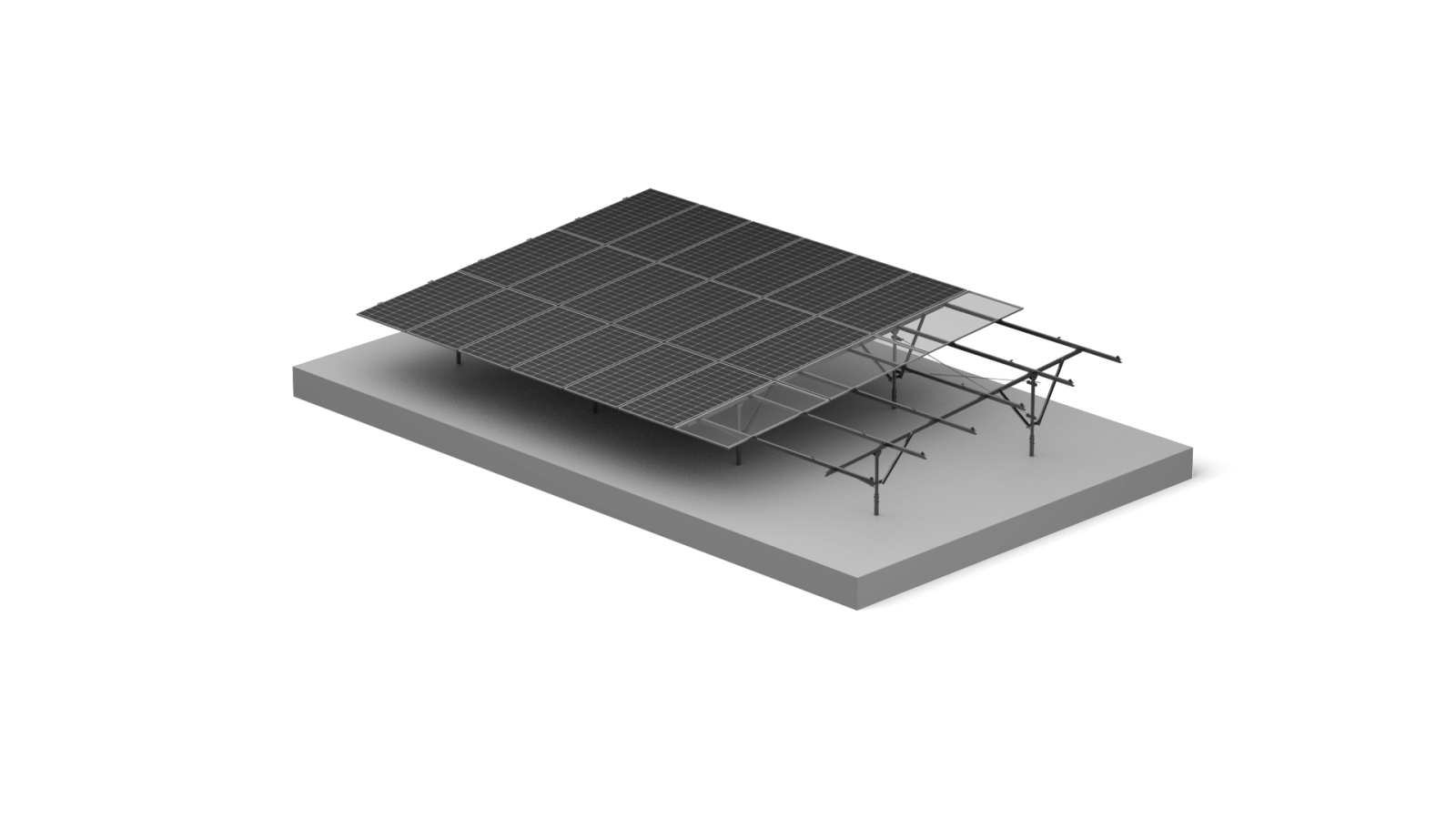
Many project developers evaluate module efficiency but overlook how structural details affect rear-side irradiance. Rails, clamps, support beams, and uneven layouts can create shadows that reduce the additional generation expected from bifacial technology.
As opposed to viewing it merely as a mechanical base, we think the mounting system should be integrated into the energy optimisation plan. Here at Antaisolar, we specialise in developing sophisticated photovoltaic structures that strike a balance between robustness, ease of installation, and enhanced light access.
Where Backside Shading Comes From in Fixed Tilt Systems
Backside shading is often caused by small structural elements that are necessary for module support. Although these components occupy limited space, their position can influence how much reflected sunlight reaches the rear cells.
In a fixed tilt installation, the angle and height of the modules determine the path of reflected light. When structural components are positioned directly behind active areas of the module, they may block part of the available radiation.
The challenge for solar engineers is finding the right balance between reducing obstruction and maintaining structural reliability. A mounting structure with fewer components may reduce shading but could create difficulties with wind resistance, transportation, or installation.
This is why solar mounting manufacturers need to approach bifacial system design from both electrical and structural perspectives. The best solution is not simply a lighter structure but one that considers how every component interacts with the surrounding environment.
Structural Layout Decisions That Influence Rear-Side Performance
The arrangement of mounting components plays an important role in controlling unwanted shadows. Engineers must carefully evaluate the position of rails, brackets, and fasteners before finalizing the system design.
One common consideration is the placement of horizontal and vertical support members. If these elements are located in areas where they interrupt reflected light patterns, they may reduce the effectiveness of bifacial modules.
Module spacing also affects rear-side exposure. Wider spacing between rows can allow more reflected radiation to enter beneath the panels, although developers must consider land availability and project economics when selecting the layout.
Solar mounting manufacturers analyze these factors during the design process to create solutions that support both energy yield and structural performance. A well-planned configuration can improve improve bifacial gain without creating unnecessary complexity.
Why Module Height and Ground Conditions Matter
The distance between the module surface and the ground has a direct relationship with rear-side light availability. Raising the structure can allow reflected sunlight to move more freely beneath the panels and reach the rear surface.
However, increasing elevation is not always the ideal choice for every project. Higher structures may require stronger foundations and additional consideration of wind loads. The final design must reflect local environmental conditions and construction requirements.
Ground characteristics also influence bifacial performance. Surfaces with better reflective properties can increase available rear-side radiation, while vegetation, soil conditions, and maintenance practices may change how light behaves around the system.
A successful project therefore requires coordination between site preparation and mounting design. The structure cannot be optimized separately from the environment where it will operate.
Selecting Solar Mounting Manufacturers for Bifacial Applications
Choosing a supplier for bifacial projects requires more than reviewing product catalogs. Developers need partners that understand how mechanical design decisions affect long-term energy production.
Solar mounting manufacturers should be able to provide solutions that consider component efficiency, structural durability, and installation requirements together. A system that performs well in laboratory conditions must also remain practical during construction and operation.
When it comes to mounting solutions, Antaisolar takes the full project lifecycle into account. Our objective is to provide dependable structures that assist customers in getting the most out of their solar investments, from the first engineering analysis to the requirements for field installation.
The selection process should also include evaluation of engineering support. Experienced technical teams can help identify potential shading risks before construction begins, reducing the possibility of performance limitations after commissioning.
Balancing Steel Optimization and Energy Gains
Reducing backside shading does not mean removing as much material as possible. Every solar structure must maintain enough strength to withstand environmental forces throughout its service life.
The challenge is achieving an efficient design where material usage, installation speed, and energy performance are properly balanced. Excessive structural reduction may create reliability concerns, while unnecessary components may limit bifacial advantages.
Project owners should evaluate the overall value created by the mounting solution. A slightly different structural approach may produce better long-term results if it improves energy capture while maintaining dependable operation.
This balance is becoming increasingly important as bifacial modules become more common in large-scale installations. The mounting structure is no longer viewed only as a support system but as a contributor to project performance.
Engineering Bifacial Systems Around Real Project Conditions
Every solar site presents different challenges. Climate conditions, terrain, module selection, and construction methods all influence how fixed tilt systems should be designed.
A solution that works well in one location may not deliver the same results elsewhere. Engineers must consider local conditions when determining module height, tilt angle, spacing, and structural arrangement.
The most effective designs come from combining accurate analysis with practical field experience. By evaluating shading behavior before installation, project teams can avoid design decisions that limit future energy production.
Conclusion
Fixed tilt systems can provide strong value for bifacial modules when their structures are designed with rear-side performance in mind. Small engineering choices, from component placement to module elevation, can influence how effectively reflected sunlight is converted into additional energy.
Mounting design will become more critical in attaining greater system efficiency as photovoltaic technology advances. The solar sector may design projects with dependable performance throughout their operational lives by combining structural expertise with energy objectives.
end