
Engineering Considerations for Heavy-Duty Solar Brackets on Snow-Loaded Tile Roofs
June 09, 2026
A tile roof solar project in a snowy region is not only a photovoltaic installation challenge but also a structural engineering challenge. The weight of accumulated snow can place significant pressure on the connection points between the solar array and the building, making bracket selection a critical part of system design.
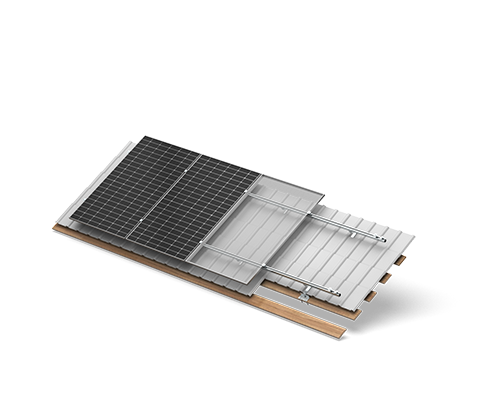
Many rooftop solar failures are not caused by the panels themselves but by weak links in the mounting structure. When attachment points are unable to distribute loads properly, stress can concentrate around limited areas of the roof, increasing the possibility of installation issues or long-term maintenance concerns.
For projects exposed to heavy snowfall, choosing the right mounting components requires a detailed understanding of roof construction, load paths, and environmental conditions. The best solution is not simply the strongest bracket available, but the one that matches the specific requirements of the roof and solar system.
Snow creates a different type of challenge compared with many other environmental factors. Wind forces often act dynamically, while snow accumulation can create a continuous downward load that remains on the solar structure for extended periods.
This additional weight is transferred through the modules, rails, brackets, fasteners, and finally into the roof structure. Every connection along this path contributes to the overall stability of the installation.
Standard rooftop attachments may perform well under normal conditions, but high snow-load environments require stronger consideration of load distribution and connection strength. A bracket that works effectively in a mild climate may not provide the same level of performance in regions where winter conditions are more demanding.
This is why heavy-duty mounting solutions are developed differently. Their purpose is not only to support the solar panels but also to manage how external forces move through the complete rooftop system.
The performance of a rooftop mounting system depends heavily on the quality of the connection between the solar array and the building. A bracket must maintain a secure attachment while working with the specific characteristics of tile roofing.
A well-designed solar brackets for tile roof solution considers several structural factors:
Load transfer efficiency between components
Connection strength under repeated stress
Compatibility with different tile profiles
Protection of the roofing material
Ease of installation in complex rooftop conditions
Tile roofs require particular attention because the visible roofing surface is not always the main structural support point. The mounting attachment must be positioned correctly to transfer forces into stronger parts of the roof structure.
The bracket design also affects installation accuracy. Components that provide proper alignment and adjustment options can help installers achieve secure connections without unnecessary modifications onsite.
Not all tile roofs have the same structure. Different regions use different tile designs, and each type creates unique requirements for solar mounting.
Flat tiles, curved tiles, and interlocking tile systems may require different attachment approaches. The bracket must fit the roof profile while maintaining enough clearance and stability for the solar mounting system.
Before selecting components, installers should evaluate:
Tile shape and thickness
Roof slope and structural condition
Location of supporting members
Expected snow accumulation levels
Required mounting layout
Antaisolar provides tile roof mounting solutions with different hook configurations to adapt to various roof structures. The product design focuses on providing flexible installation options while maintaining secure connections between the solar system and the roof. (antaisolar.com)
A suitable bracket is therefore determined by the relationship between the roof design and the project environment rather than by product specifications alone.
The main difference between ordinary and heavy-duty brackets is often found in how they manage forces rather than their physical appearance.
During heavy snowfall, concentrated pressure at attachment points can become a concern. A properly engineered bracket helps spread these forces more effectively across the mounting structure and roof support system.
Connection geometry, material thickness, fastening methods, and component integration all influence how loads are handled.
For example, a stronger rail connection combined with a properly designed roof hook can improve overall system behavior because the components work together as one structure.
This approach is particularly important for larger rooftop installations where many individual attachment points must collectively support the entire solar array.
A high-performance bracket cannot compensate for poor installation practices. In snowy regions, installation precision directly influences how well the system handles additional seasonal loads.
One common challenge with tile roofs is maintaining roof protection during installation. Improper placement or excessive pressure on tiles may create problems unrelated to the mounting hardware itself.
Experienced installers must ensure that brackets are correctly positioned, securely fastened, and properly aligned with the mounting rails.
Antaisolar develops rooftop mounting systems with practical installation considerations in mind, helping installers achieve efficient assembly while maintaining structural requirements for different roof applications. (antaisolar.com)
A well-designed bracket should support installers by simplifying the process rather than adding unnecessary complexity.
Heavy snow is only one environmental factor affecting rooftop solar systems. Seasonal temperature changes, moisture, and freeze-thaw cycles can also influence mounting performance.
Materials used for brackets, fasteners, and supporting components must maintain their properties throughout years of outdoor exposure. Corrosion resistance and mechanical stability are especially important because connection points experience continuous environmental stress.
The connection between components is another area requiring attention. Even durable materials can underperform if fastening methods or system integration are not properly designed.
A complete mounting solution considers both the material itself and how each component functions within the larger structure.
Many bracket-related problems can be prevented before installation begins. Early evaluation of roof conditions and environmental requirements allows project teams to select suitable components from the start.
For commercial rooftop projects or large residential developments, replacing unsuitable mounting hardware after installation can create significant additional costs. Delays, labor adjustments, and roof repairs may affect overall project schedules.
A detailed engineering review helps determine whether a mounting solution matches the expected snow loads and roof conditions. This process allows teams to balance structural requirements with installation efficiency.
The right bracket choice is therefore not only a technical decision but also a project risk management decision.
Heavy snow-load tile roof projects require mounting solutions that are selected through engineering analysis rather than simple product comparison. The bracket serves as a critical connection point that influences how effectively the entire solar system responds to external forces.
Solar brackets for tile roof installations should be evaluated based on load transfer capability, roof compatibility, material durability, and installation requirements. A suitable solution provides the structural foundation needed for reliable rooftop solar deployment in demanding climates.
For projects in snowy regions, careful planning at the mounting stage can make the difference between a system that merely fits the roof and one that is designed to perform under real environmental conditions.
Many rooftop solar failures are not caused by the panels themselves but by weak links in the mounting structure. When attachment points are unable to distribute loads properly, stress can concentrate around limited areas of the roof, increasing the possibility of installation issues or long-term maintenance concerns.
For projects exposed to heavy snowfall, choosing the right mounting components requires a detailed understanding of roof construction, load paths, and environmental conditions. The best solution is not simply the strongest bracket available, but the one that matches the specific requirements of the roof and solar system.
Why Snow Load Changes the Requirements for Tile Roof Mounting
Snow creates a different type of challenge compared with many other environmental factors. Wind forces often act dynamically, while snow accumulation can create a continuous downward load that remains on the solar structure for extended periods.
This additional weight is transferred through the modules, rails, brackets, fasteners, and finally into the roof structure. Every connection along this path contributes to the overall stability of the installation.
Standard rooftop attachments may perform well under normal conditions, but high snow-load environments require stronger consideration of load distribution and connection strength. A bracket that works effectively in a mild climate may not provide the same level of performance in regions where winter conditions are more demanding.
This is why heavy-duty mounting solutions are developed differently. Their purpose is not only to support the solar panels but also to manage how external forces move through the complete rooftop system.
Understanding What Makes Solar Brackets for Tile Roof Applications Suitable for Heavy Snow
The performance of a rooftop mounting system depends heavily on the quality of the connection between the solar array and the building. A bracket must maintain a secure attachment while working with the specific characteristics of tile roofing.
A well-designed solar brackets for tile roof solution considers several structural factors:
Load transfer efficiency between components
Connection strength under repeated stress
Compatibility with different tile profiles
Protection of the roofing material
Ease of installation in complex rooftop conditions
Tile roofs require particular attention because the visible roofing surface is not always the main structural support point. The mounting attachment must be positioned correctly to transfer forces into stronger parts of the roof structure.
The bracket design also affects installation accuracy. Components that provide proper alignment and adjustment options can help installers achieve secure connections without unnecessary modifications onsite.
Choosing Brackets Based on Tile Roof Types and Installation Conditions
Not all tile roofs have the same structure. Different regions use different tile designs, and each type creates unique requirements for solar mounting.
Flat tiles, curved tiles, and interlocking tile systems may require different attachment approaches. The bracket must fit the roof profile while maintaining enough clearance and stability for the solar mounting system.
Before selecting components, installers should evaluate:
Tile shape and thickness
Roof slope and structural condition
Location of supporting members
Expected snow accumulation levels
Required mounting layout
Antaisolar provides tile roof mounting solutions with different hook configurations to adapt to various roof structures. The product design focuses on providing flexible installation options while maintaining secure connections between the solar system and the roof. (antaisolar.com)
A suitable bracket is therefore determined by the relationship between the roof design and the project environment rather than by product specifications alone.
Load Distribution: The Difference Between Basic and Heavy-Duty Brackets
The main difference between ordinary and heavy-duty brackets is often found in how they manage forces rather than their physical appearance.
During heavy snowfall, concentrated pressure at attachment points can become a concern. A properly engineered bracket helps spread these forces more effectively across the mounting structure and roof support system.
Connection geometry, material thickness, fastening methods, and component integration all influence how loads are handled.
For example, a stronger rail connection combined with a properly designed roof hook can improve overall system behavior because the components work together as one structure.
This approach is particularly important for larger rooftop installations where many individual attachment points must collectively support the entire solar array.
Installation Accuracy Matters More in Snow-Prone Areas
A high-performance bracket cannot compensate for poor installation practices. In snowy regions, installation precision directly influences how well the system handles additional seasonal loads.
One common challenge with tile roofs is maintaining roof protection during installation. Improper placement or excessive pressure on tiles may create problems unrelated to the mounting hardware itself.
Experienced installers must ensure that brackets are correctly positioned, securely fastened, and properly aligned with the mounting rails.
Antaisolar develops rooftop mounting systems with practical installation considerations in mind, helping installers achieve efficient assembly while maintaining structural requirements for different roof applications. (antaisolar.com)
A well-designed bracket should support installers by simplifying the process rather than adding unnecessary complexity.
Material Selection and Connection Durability Under Winter Conditions
Heavy snow is only one environmental factor affecting rooftop solar systems. Seasonal temperature changes, moisture, and freeze-thaw cycles can also influence mounting performance.
Materials used for brackets, fasteners, and supporting components must maintain their properties throughout years of outdoor exposure. Corrosion resistance and mechanical stability are especially important because connection points experience continuous environmental stress.
The connection between components is another area requiring attention. Even durable materials can underperform if fastening methods or system integration are not properly designed.
A complete mounting solution considers both the material itself and how each component functions within the larger structure.
Avoiding Costly Corrections Through Early Engineering Evaluation
Many bracket-related problems can be prevented before installation begins. Early evaluation of roof conditions and environmental requirements allows project teams to select suitable components from the start.
For commercial rooftop projects or large residential developments, replacing unsuitable mounting hardware after installation can create significant additional costs. Delays, labor adjustments, and roof repairs may affect overall project schedules.
A detailed engineering review helps determine whether a mounting solution matches the expected snow loads and roof conditions. This process allows teams to balance structural requirements with installation efficiency.
The right bracket choice is therefore not only a technical decision but also a project risk management decision.
Conclusion
Heavy snow-load tile roof projects require mounting solutions that are selected through engineering analysis rather than simple product comparison. The bracket serves as a critical connection point that influences how effectively the entire solar system responds to external forces.
Solar brackets for tile roof installations should be evaluated based on load transfer capability, roof compatibility, material durability, and installation requirements. A suitable solution provides the structural foundation needed for reliable rooftop solar deployment in demanding climates.
For projects in snowy regions, careful planning at the mounting stage can make the difference between a system that merely fits the roof and one that is designed to perform under real environmental conditions.
end