
How Clamping-Based Solar Solutions Are Changing Installation Methods for Complex Tile Roofs
June 08, 2026
Tile roofs have always required careful handling during solar installation because their surface structure, appearance, and weather protection functions must be preserved. While traditional mounting approaches often rely on roof attachments, special tile designs and fragile surfaces have encouraged the industry to explore less invasive installation methods.
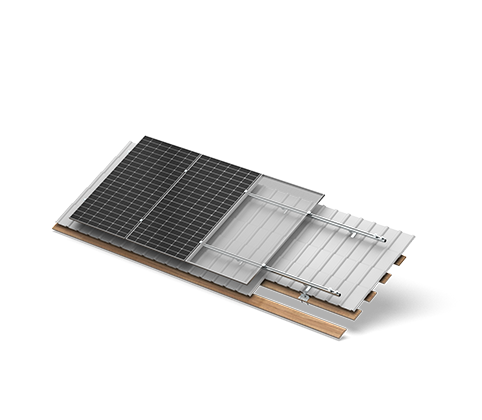
Clamping-based mounting systems are becoming increasingly attractive because they reduce direct modification of the roof surface while providing a secure foundation for photovoltaic modules. This approach is particularly valuable for projects where maintaining roof integrity is a priority.
Energy generation and building protection are equally important in rooftop solar solutions. A clear understanding of how mounting methods interact with different tile structures enables installers and project owners to make better decisions for long-term performance.
Not all tile roofs have the same characteristics. Different materials, profiles, thicknesses, and installation methods create unique challenges for solar mounting systems.
Traditional attachment methods may require careful positioning to avoid damaging tiles or affecting waterproofing layers. On special tile roofs, even small installation mistakes can create concerns related to cracking, moisture intrusion, or future maintenance difficulties.
For this reason, many project developers are exploring solar mounts for tile roof applications that prioritize compatibility with existing roof conditions. The ideal solution must provide reliable module support while respecting the original structure of the roof.
Non-penetrating clamping systems work by securing solar components through controlled pressure and mechanical connection rather than relying on extensive drilling or modification of the roof surface.
This approach can simplify certain installation processes because fewer permanent changes are required. It also helps reduce concerns about creating additional openings that may require long-term waterproofing management.
However, successful implementation depends on proper engineering. The clamping force must be carefully balanced to ensure stability without placing excessive pressure on the tile surface.
One of the biggest advantages of non-penetrating approaches is their ability to reduce unnecessary stress on roof materials. Tile roofs can be durable, but individual tiles may be vulnerable to concentrated pressure or improper handling.
Evenly distributed force through a thoughtfully designed clamping system reduces installation risks and promotes better roof compatibility.
Successful installation also depends on a thorough site assessment—tile condition, roof geometry, and climate factors all matter. The right mounting method is the one that aligns with the project's specific conditions.
Installation time is an important factor in residential and commercial solar projects. Mounting solutions that reduce complex roof preparation can help improve workflow and reduce unnecessary labor requirements.
Solar mounts for tile roof projects often require installers to balance speed with precision. A practical mounting design should allow efficient assembly while maintaining secure attachment and proper alignment of photovoltaic modules.
Simplified installation can also improve consistency across different projects. When components are designed for easier handling and adjustment, installation teams can reduce errors and maintain better quality control.
Although non-penetrating systems offer important benefits, they must still meet structural and environmental requirements. Wind forces, module weight, roof conditions, and local climate factors all influence system performance.
The mounting structure must transfer loads effectively without creating excessive stress on the tile surface. This requires careful evaluation of connection points, support locations, and overall system configuration.
Antaisolar develops rooftop mounting solutions with attention to different roof conditions and installation requirements. Our approach focuses on creating adaptable systems that support reliable solar deployment while considering the characteristics of each building.
When choosing a supplier for complex tile roof projects, buyers should look beyond basic product features. A suitable partner should understand roof diversity and provide solutions that match specific installation challenges.
Companies searching for solar mounts for tile roof applications should evaluate engineering capability, installation support, and adaptability. A solution that works well on one tile type may not provide the same results on another.
It is also important to consider long-term performance rather than only initial installation convenience. A well-designed mounting system should protect the roof, support the solar modules, and remain reliable throughout the project lifecycle.
As rooftop solar adoption continues expanding, installation methods will increasingly focus on protecting existing structures while improving efficiency. Special roof types require solutions that combine technical performance with careful building integration.
Clamping-based mounting systems represent a shift toward more adaptable solar installation strategies. They reflect a broader industry trend toward reducing unnecessary structural impact while maintaining reliable module support.
By combining practical installation methods with thoughtful engineering, solar professionals can expand photovoltaic adoption across a wider range of buildings and roof designs.
Special tile roofs present unique challenges, but they also create opportunities for more refined solar mounting approaches. Non-penetrating clamping systems provide an option for projects where roof preservation and installation flexibility are important priorities.
Proper design, suitable component selection, and a clear understanding of roof material behavior are essential to the success of any rooftop solar solution. As more buildings adopt solar energy, mounting technologies must continue evolving to meet an increasingly diverse range of installation requirements.
The future of rooftop solar will depend on solutions that preserve existing building structures while delivering reliable clean energy performance. Antaisolar holds this as a guiding principle, and sees improved compatibility with special tile roofs as a key opportunity for the industry to expand sustainable power generation.
Clamping-based mounting systems are becoming increasingly attractive because they reduce direct modification of the roof surface while providing a secure foundation for photovoltaic modules. This approach is particularly valuable for projects where maintaining roof integrity is a priority.
Energy generation and building protection are equally important in rooftop solar solutions. A clear understanding of how mounting methods interact with different tile structures enables installers and project owners to make better decisions for long-term performance.
Why Special Tile Roofs Require Different Mounting Strategies
Not all tile roofs have the same characteristics. Different materials, profiles, thicknesses, and installation methods create unique challenges for solar mounting systems.
Traditional attachment methods may require careful positioning to avoid damaging tiles or affecting waterproofing layers. On special tile roofs, even small installation mistakes can create concerns related to cracking, moisture intrusion, or future maintenance difficulties.
For this reason, many project developers are exploring solar mounts for tile roof applications that prioritize compatibility with existing roof conditions. The ideal solution must provide reliable module support while respecting the original structure of the roof.
The Growing Demand for Clamping-Based Mounting Systems
Non-penetrating clamping systems work by securing solar components through controlled pressure and mechanical connection rather than relying on extensive drilling or modification of the roof surface.
This approach can simplify certain installation processes because fewer permanent changes are required. It also helps reduce concerns about creating additional openings that may require long-term waterproofing management.
However, successful implementation depends on proper engineering. The clamping force must be carefully balanced to ensure stability without placing excessive pressure on the tile surface.
Protecting Tile Integrity During Solar Installation
One of the biggest advantages of non-penetrating approaches is their ability to reduce unnecessary stress on roof materials. Tile roofs can be durable, but individual tiles may be vulnerable to concentrated pressure or improper handling.
Evenly distributed force through a thoughtfully designed clamping system reduces installation risks and promotes better roof compatibility.
Successful installation also depends on a thorough site assessment—tile condition, roof geometry, and climate factors all matter. The right mounting method is the one that aligns with the project's specific conditions.
How Clamping Technology Supports Installation Efficiency
Installation time is an important factor in residential and commercial solar projects. Mounting solutions that reduce complex roof preparation can help improve workflow and reduce unnecessary labor requirements.
Solar mounts for tile roof projects often require installers to balance speed with precision. A practical mounting design should allow efficient assembly while maintaining secure attachment and proper alignment of photovoltaic modules.
Simplified installation can also improve consistency across different projects. When components are designed for easier handling and adjustment, installation teams can reduce errors and maintain better quality control.
Engineering Considerations for Special Tile Roof Applications
Although non-penetrating systems offer important benefits, they must still meet structural and environmental requirements. Wind forces, module weight, roof conditions, and local climate factors all influence system performance.
The mounting structure must transfer loads effectively without creating excessive stress on the tile surface. This requires careful evaluation of connection points, support locations, and overall system configuration.
Antaisolar develops rooftop mounting solutions with attention to different roof conditions and installation requirements. Our approach focuses on creating adaptable systems that support reliable solar deployment while considering the characteristics of each building.
What Buyers Should Evaluate Before Selecting a Mounting Solution
When choosing a supplier for complex tile roof projects, buyers should look beyond basic product features. A suitable partner should understand roof diversity and provide solutions that match specific installation challenges.
Companies searching for solar mounts for tile roof applications should evaluate engineering capability, installation support, and adaptability. A solution that works well on one tile type may not provide the same results on another.
It is also important to consider long-term performance rather than only initial installation convenience. A well-designed mounting system should protect the roof, support the solar modules, and remain reliable throughout the project lifecycle.
The Future of Tile Roof Solar Installations
As rooftop solar adoption continues expanding, installation methods will increasingly focus on protecting existing structures while improving efficiency. Special roof types require solutions that combine technical performance with careful building integration.
Clamping-based mounting systems represent a shift toward more adaptable solar installation strategies. They reflect a broader industry trend toward reducing unnecessary structural impact while maintaining reliable module support.
By combining practical installation methods with thoughtful engineering, solar professionals can expand photovoltaic adoption across a wider range of buildings and roof designs.
Conclusion
Special tile roofs present unique challenges, but they also create opportunities for more refined solar mounting approaches. Non-penetrating clamping systems provide an option for projects where roof preservation and installation flexibility are important priorities.
Proper design, suitable component selection, and a clear understanding of roof material behavior are essential to the success of any rooftop solar solution. As more buildings adopt solar energy, mounting technologies must continue evolving to meet an increasingly diverse range of installation requirements.
The future of rooftop solar will depend on solutions that preserve existing building structures while delivering reliable clean energy performance. Antaisolar holds this as a guiding principle, and sees improved compatibility with special tile roofs as a key opportunity for the industry to expand sustainable power generation.
end