
How Commercial Roof Mounting Brackets Create Smarter Cable Management Pathways for Solar Arrays
June 05, 2026
Commercial metal roof solar projects often face a hidden installation challenge: managing hundreds of module cables across a large rooftop surface. While the panels and structural connections receive most attention, cable routing directly affects system safety, appearance, and long-term maintenance efficiency.
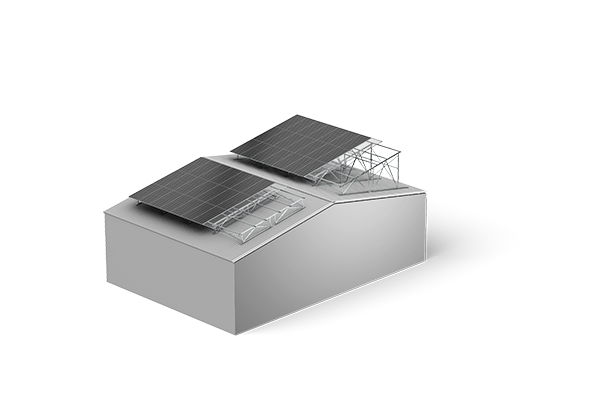
Securing modules against wind is only part of what a good mounting structure does. It also offers a disciplined framework for cable management—lifting cables off the roof, protecting them from wear, and positioning them for easy access. A metal roof mounting bracket contributes to this by going beyond fastening to help build electrical layouts that are both orderly and dependable.
Commercial rooftops usually contain larger solar arrays compared with residential installations. A single project may include thousands of module-level cables, connectors, and string connections that must follow a consistent route from the array to electrical equipment.
Metal roofs create specific challenges for cable organization. Their surfaces often include standing seams, corrugated profiles, or protective coatings that can be damaged when cables move repeatedly due to wind or thermal expansion.
Without proper support, cables may hang between modules, rest directly on roof panels, or become exposed to unnecessary movement. These conditions increase the possibility of insulation wear, connector stress, and difficult maintenance access.
Mounting systems designed for commercial applications need to consider cable pathways from the beginning rather than treating wire management as an additional installation step.
Solar mounting brackets provide strategic connection points that help transform an open rooftop area into a structured installation platform. Instead of allowing cables to follow random paths beneath the modules, brackets can support clips and accessories that keep wiring aligned with the array layout.
A metal roof mounting bracket can help maintain consistent spacing between the module frame and roof surface. This creates room for cables to be secured underneath the panels while avoiding direct contact with roofing materials.
Proper bracket placement also influences how installers arrange module-to-module connections. When mounting points are positioned with cable movement in mind, excess wire loops can be minimized, reducing clutter beneath the array.
This approach creates a more professional installation where cables follow predictable routes instead of depending on individual installer adjustments.
Metal roofs are valued for their durability, but their surfaces require careful protection during solar installation. Sharp edges, exposed fasteners, and uneven contact points can create risks when electrical cables are not properly supported.
Mounting brackets help maintain separation between cables and potential damage areas. By providing fixed attachment locations, brackets reduce the chance that wiring will shift across roof seams or rub against metal surfaces during years of operation.
Thermal expansion and contraction is another important consideration. Commercial roofs experience daily temperature changes that cause expansion and contraction of both roofing materials and solar components. A properly designed bracket system allows cables to remain secured while accommodating these environmental changes.
This controlled movement reduces stress on connectors and helps maintain the integrity of the photovoltaic system over its operational lifetime.
Cable management directly affects installation speed. When installers need to add separate cable supports after the mounting structure is completed, project timelines can become longer and labor requirements can increase.
Modern mounting solutions integrate cable management considerations into the bracket design itself. Features such as attachment points for cable clips or dedicated routing spaces allow installers to organize wiring during module installation.
This reduces the need for additional adjustments after panels are placed. For large commercial projects, small improvements in installation efficiency can create significant savings because hundreds of modules must be connected and inspected.
Structural performance and installation practicality are both essential to effective rooftop mounting solutions. Antaisolar designs with these priorities in mind—helping project teams establish secure module connections while addressing the cable management demands of commercial solar installations.
Decades of operation demand more than structural strength—they require systems that are easy to service. Disorganized cable routing turns routine inspections into time-consuming searches, forcing technicians to untangle wiring just to find connection points.
An orderly mounting layout streamlines maintenance by making cable routes and array sections easy to locate. This proves especially valuable during connector inspections, performance testing, or module swaps.
Consistency across the array is what makes maintenance predictable. A properly positioned metal roof mounting bracket helps achieve this by maintaining standardized cable placement from one section to the next.
Good cable organization also improves visual inspection. Loose cables, damaged insulation, or abnormal connector positions are easier to identify when wiring follows a clean and structured layout.
Not every mounting bracket provides the same level of support for cable organization. Project developers and installers should evaluate whether the bracket design works together with the electrical requirements of the solar array.
Important considerations include compatibility with cable clips, the available space beneath modules, resistance to environmental exposure, and whether the bracket allows installers to maintain consistent cable positioning across different roof areas.
The connection method is also important. Standing seam metal roofs, trapezoidal metal roofs, and other commercial roofing types may require different bracket approaches to maintain both roof protection and effective wire routing.
A well-designed mounting solution should balance structural strength, waterproofing requirements, and cable management capability. These elements work together to create a more complete rooftop solar installation.
Commercial solar projects are becoming more sophisticated, and mounting structures are evolving from simple support components into integrated system platforms. The best solutions consider how mechanical, electrical, and maintenance requirements interact throughout the project lifecycle.
Cable management is a clear example of this evolution. A mounting bracket that supports organized wiring helps reduce installation issues, protect electrical components, and improve long-term system operation.
Commercial solar success depends on details that extend well beyond panel installation. Structural demands and practical installation challenges must both be addressed—and Antaisolar develops mounting solutions with this full picture in mind, supporting solar professionals in building more reliable rooftop systems.
Mounting brackets play an important role in commercial roof wire management by providing the foundation for organized, protected, and maintainable cable layouts. Their value is not limited to holding solar modules in place; they also influence how efficiently the entire rooftop system functions.
For commercial metal roof projects, integrating cable management into mounting design helps prevent avoidable problems and improves the quality of installation. As solar systems continue to grow in size and complexity, mounting solutions that combine structural reliability with smart cable organization will become increasingly important.
Securing modules against wind is only part of what a good mounting structure does. It also offers a disciplined framework for cable management—lifting cables off the roof, protecting them from wear, and positioning them for easy access. A metal roof mounting bracket contributes to this by going beyond fastening to help build electrical layouts that are both orderly and dependable.
Why Commercial Metal Roofs Require Better Cable Management Planning
Commercial rooftops usually contain larger solar arrays compared with residential installations. A single project may include thousands of module-level cables, connectors, and string connections that must follow a consistent route from the array to electrical equipment.
Metal roofs create specific challenges for cable organization. Their surfaces often include standing seams, corrugated profiles, or protective coatings that can be damaged when cables move repeatedly due to wind or thermal expansion.
Without proper support, cables may hang between modules, rest directly on roof panels, or become exposed to unnecessary movement. These conditions increase the possibility of insulation wear, connector stress, and difficult maintenance access.
Mounting systems designed for commercial applications need to consider cable pathways from the beginning rather than treating wire management as an additional installation step.
How Mounting Brackets Support Organized Cable Routing
Solar mounting brackets provide strategic connection points that help transform an open rooftop area into a structured installation platform. Instead of allowing cables to follow random paths beneath the modules, brackets can support clips and accessories that keep wiring aligned with the array layout.
A metal roof mounting bracket can help maintain consistent spacing between the module frame and roof surface. This creates room for cables to be secured underneath the panels while avoiding direct contact with roofing materials.
Proper bracket placement also influences how installers arrange module-to-module connections. When mounting points are positioned with cable movement in mind, excess wire loops can be minimized, reducing clutter beneath the array.
This approach creates a more professional installation where cables follow predictable routes instead of depending on individual installer adjustments.
Preventing Cable Damage on Metal Roofing Surfaces
Metal roofs are valued for their durability, but their surfaces require careful protection during solar installation. Sharp edges, exposed fasteners, and uneven contact points can create risks when electrical cables are not properly supported.
Mounting brackets help maintain separation between cables and potential damage areas. By providing fixed attachment locations, brackets reduce the chance that wiring will shift across roof seams or rub against metal surfaces during years of operation.
Thermal expansion and contraction is another important consideration. Commercial roofs experience daily temperature changes that cause expansion and contraction of both roofing materials and solar components. A properly designed bracket system allows cables to remain secured while accommodating these environmental changes.
This controlled movement reduces stress on connectors and helps maintain the integrity of the photovoltaic system over its operational lifetime.
Improving Installation Efficiency Through Integrated Bracket Design
Cable management directly affects installation speed. When installers need to add separate cable supports after the mounting structure is completed, project timelines can become longer and labor requirements can increase.
Modern mounting solutions integrate cable management considerations into the bracket design itself. Features such as attachment points for cable clips or dedicated routing spaces allow installers to organize wiring during module installation.
This reduces the need for additional adjustments after panels are placed. For large commercial projects, small improvements in installation efficiency can create significant savings because hundreds of modules must be connected and inspected.
Structural performance and installation practicality are both essential to effective rooftop mounting solutions. Antaisolar designs with these priorities in mind—helping project teams establish secure module connections while addressing the cable management demands of commercial solar installations.
Supporting Easier Inspection and Future Maintenance
Decades of operation demand more than structural strength—they require systems that are easy to service. Disorganized cable routing turns routine inspections into time-consuming searches, forcing technicians to untangle wiring just to find connection points.
An orderly mounting layout streamlines maintenance by making cable routes and array sections easy to locate. This proves especially valuable during connector inspections, performance testing, or module swaps.
Consistency across the array is what makes maintenance predictable. A properly positioned metal roof mounting bracket helps achieve this by maintaining standardized cable placement from one section to the next.
Good cable organization also improves visual inspection. Loose cables, damaged insulation, or abnormal connector positions are easier to identify when wiring follows a clean and structured layout.
Key Considerations When Choosing Brackets for Commercial Roof Cable Management
Not every mounting bracket provides the same level of support for cable organization. Project developers and installers should evaluate whether the bracket design works together with the electrical requirements of the solar array.
Important considerations include compatibility with cable clips, the available space beneath modules, resistance to environmental exposure, and whether the bracket allows installers to maintain consistent cable positioning across different roof areas.
The connection method is also important. Standing seam metal roofs, trapezoidal metal roofs, and other commercial roofing types may require different bracket approaches to maintain both roof protection and effective wire routing.
A well-designed mounting solution should balance structural strength, waterproofing requirements, and cable management capability. These elements work together to create a more complete rooftop solar installation.
The Growing Role of Mounting Systems in Commercial Solar Design
Commercial solar projects are becoming more sophisticated, and mounting structures are evolving from simple support components into integrated system platforms. The best solutions consider how mechanical, electrical, and maintenance requirements interact throughout the project lifecycle.
Cable management is a clear example of this evolution. A mounting bracket that supports organized wiring helps reduce installation issues, protect electrical components, and improve long-term system operation.
Commercial solar success depends on details that extend well beyond panel installation. Structural demands and practical installation challenges must both be addressed—and Antaisolar develops mounting solutions with this full picture in mind, supporting solar professionals in building more reliable rooftop systems.
Conclusion
Mounting brackets play an important role in commercial roof wire management by providing the foundation for organized, protected, and maintainable cable layouts. Their value is not limited to holding solar modules in place; they also influence how efficiently the entire rooftop system functions.
For commercial metal roof projects, integrating cable management into mounting design helps prevent avoidable problems and improves the quality of installation. As solar systems continue to grow in size and complexity, mounting solutions that combine structural reliability with smart cable organization will become increasingly important.
end