
How Established Factories Guarantee Quality Stability in Bulk Metal Roof Solar Mounting Orders
June 04, 2026
Large-scale rooftop solar projects often involve thousands of mounting components that must fit together precisely during installation. A single commercial or industrial roof may require extensive quantities of rails, clamps, brackets, and accessories, making manufacturing consistency a critical factor in project success.
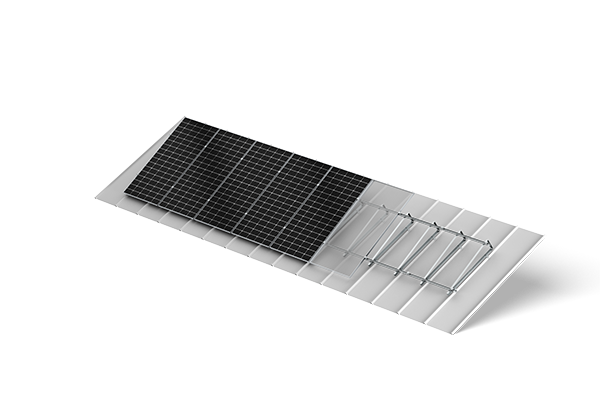
For buyers placing large-volume orders, the challenge is not simply whether a factory can produce enough products. The more important question is whether the factory can maintain consistent performance standards across every production batch, shipment, and project phase.
Metal roof applications add another layer of complexity because mounting systems must match different roof profiles while maintaining secure connections without affecting roof performance. Reliable bulk production requires a combination of engineering control, manufacturing discipline, and detailed inspection procedures.
When factories handle large quantities of solar mounting components, repeatability becomes the foundation of quality control. Every production cycle must deliver parts with consistent dimensions, surface treatment and coating, and structural characteristics.
For metal flat roof solar mounting bulk projects, even a small variation in component size can create installation problems. Differences in rail length, clamp positioning, or connection accuracy may slow down construction teams when thousands of parts are assembled across a large rooftop area.
Leading factories solve this challenge by developing standardized manufacturing procedures. Production drawings, machining parameters, and assembly requirements are carefully defined so that different production lines can achieve the same results.
This approach allows manufacturers to scale production without sacrificing accuracy. Whether components are produced in the first batch or the final shipment, they should maintain the same compatibility with the overall mounting system.
The durability of a rooftop solar mounting system begins with material selection. Since metal roof installations remain exposed to outdoor conditions for decades, manufacturers must carefully control the quality of metals and protective treatments used in production.
Factories typically inspect incoming materials before they enter manufacturing. This process helps verify that aluminum, steel, fasteners, and surface coatings meet the required technical specifications.
For metal roofing applications, material compatibility is especially important. The mounting components must work with different roof structures while maintaining reliable mechanical performance. Solutions for metal roofs may include systems designed for trapezoidal sheet roofs, standing seam roofs, and other common configurations.
Material control also influences production consistency. When raw materials have stable properties, manufacturing equipment can achieve more predictable results, reducing variations between different production runs.
Bulk orders create pressure on factories to increase output while keeping every component accurate. This requires production methods that minimize human error and improve repeatability.
Advanced manufacturing equipment helps maintain precise cutting, drilling, and forming processes. At the same time, experienced technicians monitor critical steps where quality decisions require professional judgment.
For rooftop solar installers, manufacturing precision directly affects onsite efficiency. Components that match design specifications can be installed faster because workers spend less time adjusting or correcting unexpected differences.
A factory’s production capability is therefore closely connected to project execution. Better manufacturing accuracy reduces unnecessary labor, simplifies construction planning, and helps maintain installation schedules.
A reliable quality system does not depend on checking only the finished product. Effective factories introduce inspection points throughout the manufacturing process to identify issues before products are packaged and shipped.
Typical quality checks may include:
Material verification before production
Dimensional accuracy testing
Surface treatment and coating inspection
Component assembly checks
Packaging and quantity verification
For large metal roof solar mounting orders, shipment inspection is particularly important because a single delivery may contain thousands of individual components. Missing parts, incorrect quantities, or damaged products can interrupt installation progress.
Detailed inspection records also improve production management. When factories track quality results over time, they can identify repeated issues and adjust manufacturing processes before they affect future orders.
Large solar projects are rarely completed with a single shipment. Many installations require several deliveries over weeks or months, which creates a challenge: maintaining the same product quality throughout the entire order cycle.
Factories must manage production scheduling carefully to ensure that later batches remain consistent with earlier deliveries. This requires controlled production standards, accurate documentation, and effective communication between manufacturing teams.
For EPC companies and installers, batch consistency is valuable because it prevents unexpected differences during construction. When components from different shipments fit together properly, project teams can maintain efficient installation workflows.
This is especially important for large commercial rooftops where construction activities must be coordinated with building operations and other site requirements.
Bulk production alone cannot guarantee project success. Solar mounting components must also match the technical requirements of the specific roof application.
Metal roofs vary in structure, profile, thickness, and load characteristics. A mounting system designed without considering these differences may create installation difficulties or reduce system performance.
Antaisolar provides metal roof mounting solutions designed for different application conditions, helping project teams select suitable configurations based on roof type and installation requirements.
Engineering coordination before production allows factories to manufacture components that are not only consistent but also suitable for real project conditions.
Quality consistency in bulk orders depends on how well factories manage the entire production ecosystem. Supplier coordination, workforce training, equipment maintenance, and process improvement all influence final product quality.
Factories that continuously review manufacturing performance can improve efficiency while maintaining stable output. This is particularly important in the solar industry, where project timelines and installation requirements are becoming increasingly demanding.
A mature production system allows manufacturers to handle large orders with greater confidence because quality control is built into every stage rather than added only at the final inspection point.
Maintaining quality in bulk metal roof solar mounting orders requires more than high production capacity. It depends on precise manufacturing processes, reliable material control, consistent inspection systems, and effective coordination between engineering and production teams.
For large rooftop solar projects, the quality of every mounting component influences installation speed, structural reliability, and long-term system performance. Factories that can maintain consistency across thousands of components provide greater confidence for solar developers and installers.
The ability to deliver stable quality at scale has become a defining factor in modern solar mounting manufacturing, especially as commercial rooftop projects continue to demand higher levels of precision and reliability.
For buyers placing large-volume orders, the challenge is not simply whether a factory can produce enough products. The more important question is whether the factory can maintain consistent performance standards across every production batch, shipment, and project phase.
Metal roof applications add another layer of complexity because mounting systems must match different roof profiles while maintaining secure connections without affecting roof performance. Reliable bulk production requires a combination of engineering control, manufacturing discipline, and detailed inspection procedures.
Creating Repeatable Manufacturing Processes for Large-Volume Orders
When factories handle large quantities of solar mounting components, repeatability becomes the foundation of quality control. Every production cycle must deliver parts with consistent dimensions, surface treatment and coating, and structural characteristics.
For metal flat roof solar mounting bulk projects, even a small variation in component size can create installation problems. Differences in rail length, clamp positioning, or connection accuracy may slow down construction teams when thousands of parts are assembled across a large rooftop area.
Leading factories solve this challenge by developing standardized manufacturing procedures. Production drawings, machining parameters, and assembly requirements are carefully defined so that different production lines can achieve the same results.
This approach allows manufacturers to scale production without sacrificing accuracy. Whether components are produced in the first batch or the final shipment, they should maintain the same compatibility with the overall mounting system.
Controlling Material Quality for Long-Term Roof Performance
The durability of a rooftop solar mounting system begins with material selection. Since metal roof installations remain exposed to outdoor conditions for decades, manufacturers must carefully control the quality of metals and protective treatments used in production.
Factories typically inspect incoming materials before they enter manufacturing. This process helps verify that aluminum, steel, fasteners, and surface coatings meet the required technical specifications.
For metal roofing applications, material compatibility is especially important. The mounting components must work with different roof structures while maintaining reliable mechanical performance. Solutions for metal roofs may include systems designed for trapezoidal sheet roofs, standing seam roofs, and other common configurations.
Material control also influences production consistency. When raw materials have stable properties, manufacturing equipment can achieve more predictable results, reducing variations between different production runs.
Using Precision Manufacturing to Reduce Installation Problems
Bulk orders create pressure on factories to increase output while keeping every component accurate. This requires production methods that minimize human error and improve repeatability.
Advanced manufacturing equipment helps maintain precise cutting, drilling, and forming processes. At the same time, experienced technicians monitor critical steps where quality decisions require professional judgment.
For rooftop solar installers, manufacturing precision directly affects onsite efficiency. Components that match design specifications can be installed faster because workers spend less time adjusting or correcting unexpected differences.
A factory’s production capability is therefore closely connected to project execution. Better manufacturing accuracy reduces unnecessary labor, simplifies construction planning, and helps maintain installation schedules.
Inspection Procedures That Protect Every Shipment
A reliable quality system does not depend on checking only the finished product. Effective factories introduce inspection points throughout the manufacturing process to identify issues before products are packaged and shipped.
Typical quality checks may include:
Material verification before production
Dimensional accuracy testing
Surface treatment and coating inspection
Component assembly checks
Packaging and quantity verification
For large metal roof solar mounting orders, shipment inspection is particularly important because a single delivery may contain thousands of individual components. Missing parts, incorrect quantities, or damaged products can interrupt installation progress.
Detailed inspection records also improve production management. When factories track quality results over time, they can identify repeated issues and adjust manufacturing processes before they affect future orders.
Managing Batch Consistency During Multi-Stage Deliveries
Large solar projects are rarely completed with a single shipment. Many installations require several deliveries over weeks or months, which creates a challenge: maintaining the same product quality throughout the entire order cycle.
Factories must manage production scheduling carefully to ensure that later batches remain consistent with earlier deliveries. This requires controlled production standards, accurate documentation, and effective communication between manufacturing teams.
For EPC companies and installers, batch consistency is valuable because it prevents unexpected differences during construction. When components from different shipments fit together properly, project teams can maintain efficient installation workflows.
This is especially important for large commercial rooftops where construction activities must be coordinated with building operations and other site requirements.
Engineering Coordination for Different Metal Roof Conditions
Bulk production alone cannot guarantee project success. Solar mounting components must also match the technical requirements of the specific roof application.
Metal roofs vary in structure, profile, thickness, and load characteristics. A mounting system designed without considering these differences may create installation difficulties or reduce system performance.
Antaisolar provides metal roof mounting solutions designed for different application conditions, helping project teams select suitable configurations based on roof type and installation requirements.
Engineering coordination before production allows factories to manufacture components that are not only consistent but also suitable for real project conditions.
Improving Efficiency Through Better Factory Management
Quality consistency in bulk orders depends on how well factories manage the entire production ecosystem. Supplier coordination, workforce training, equipment maintenance, and process improvement all influence final product quality.
Factories that continuously review manufacturing performance can improve efficiency while maintaining stable output. This is particularly important in the solar industry, where project timelines and installation requirements are becoming increasingly demanding.
A mature production system allows manufacturers to handle large orders with greater confidence because quality control is built into every stage rather than added only at the final inspection point.
Conclusion
Maintaining quality in bulk metal roof solar mounting orders requires more than high production capacity. It depends on precise manufacturing processes, reliable material control, consistent inspection systems, and effective coordination between engineering and production teams.
For large rooftop solar projects, the quality of every mounting component influences installation speed, structural reliability, and long-term system performance. Factories that can maintain consistency across thousands of components provide greater confidence for solar developers and installers.
The ability to deliver stable quality at scale has become a defining factor in modern solar mounting manufacturing, especially as commercial rooftop projects continue to demand higher levels of precision and reliability.
end