
How Industrial Facilities Can Optimize Solar Mounting on Trapezoidal Metal Roofs
June 03, 2026
Industrial plants are among the most attractive locations for rooftop solar deployment because their large roof areas can accommodate significant photovoltaic capacity without requiring additional land. However, trapezoidal sheet metal roofs present specific installation challenges that require a targeted mounting approach.
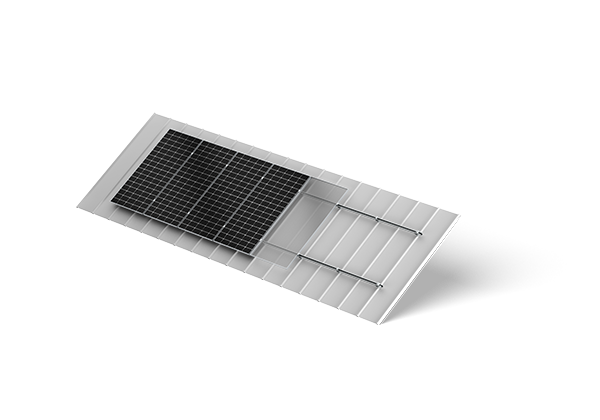
The success of a rooftop PV project on this roof type depends on more than attaching modules to the surface. Roof profile compatibility, load transfer, fixing strategy, installation workflow, and long-term roof protection all influence whether the system can operate reliably.
When selecting metal roof solar mounting systems, industrial facility owners need to consider how the mounting solution interacts with the existing roof structure. A well-designed system should support solar generation while maintaining the original function and durability of the building envelope.
The first consideration for industrial rooftop projects is the relationship between the mounting components and the trapezoidal sheet pattern. Unlike flat roofs, trapezoidal panels have raised ribs and specific spacing between profiles, which directly affects where and how solar modules can be fixed.
A suitable mounting design should align with the roof geometry instead of forcing the installation to adapt through unnecessary modifications. Proper compatibility helps distribute mechanical loads more evenly and reduces stress concentration around connection points.
For industrial buildings with extensive roof areas, this design accuracy becomes even more important. A small mismatch between the mounting components and roof profile can create installation difficulties across hundreds or thousands of fixing locations.
The best approach is to select a solution developed specifically for metal roof applications, allowing the solar structure and the roof surface to function as an integrated system.
One of the biggest concerns for industrial plant owners is whether rooftop solar installation could affect the original roofing performance. The roof protects the building from rain, temperature changes, and environmental exposure, so any mounting method must preserve this function.
A reliable installation strategy should carefully manage drilling locations, fastening methods, and sealing requirements. Every penetration or attachment point needs appropriate protection to prevent future issues related to water ingress.
For this reason, professional metal roof solar mounting systems are designed with attention to both mechanical attachment and weather resistance. The goal is not only to secure photovoltaic modules but also to maintain the building’s long-term protection.
A successful project treats the roof as an important structural asset rather than simply a surface for installing solar equipment.
Industrial rooftops often cover large areas, but available space does not automatically mean unlimited loading capacity. Before installation, engineers must understand how additional solar equipment will interact with the existing building structure.
The weight of modules, rails, clamps, and other components must be properly distributed through the roof system. Uneven load distribution can create unnecessary pressure on certain areas and may affect long-term structural performance.
Wind forces also need careful consideration. Rooftop solar systems are exposed to uplift forces, especially on large industrial buildings located in open areas. The mounting design must account for these conditions to maintain system stability.
A well-engineered solution considers both static and dynamic loads, ensuring that the solar installation becomes a reliable addition to the facility rather than a structural concern.
Industrial solar projects often need to be completed while the facility continues normal operations. Construction efficiency therefore becomes an important factor when choosing a mounting approach.
A practical mounting design should reduce unnecessary installation steps and allow installers to work efficiently on the existing roof structure. Components that are easy to position, secure, and inspect can help shorten construction timelines.
The installation process should also consider worker safety and access limitations. Industrial roofs may have restricted working areas, making a simple and organized mounting layout especially valuable.
A solution that combines engineering reliability with construction practicality can help project owners achieve smoother project execution.
Industrial plants can expose rooftop solar systems to more than normal outdoor conditions. Depending on the facility type, roofs may experience humidity, pollutants, temperature fluctuations, or chemical exposure.
The mounting structure must therefore use materials and surface protection methods suitable for long-term rooftop operation. Corrosion resistance is particularly important because deterioration of structural components can gradually affect system reliability.
Material selection should be evaluated together with the expected operating environment. A mounting system designed for a clean commercial building may not provide the same performance when installed on an industrial facility with more demanding conditions.
Choosing durable components helps reduce maintenance requirements and supports stable solar generation throughout the system lifecycle.
A rooftop solar system is expected to operate for decades, making future accessibility an important design consideration. Industrial facilities need mounting solutions that allow inspection and maintenance without unnecessary disruption.
The layout of modules, cable pathways, and structural components should support efficient troubleshooting when required. Poor planning during installation may create challenges when technicians need to access specific areas later.
Installation efficiency, structural performance, and long-term usability must all be balanced in any effective rooftop mounting solution. Antaisolar brings this balance to life through experience in industrial applications, where practical deployment requirements are understood and addressed from the start.
The best practices for trapezoidal sheet metal roof solar installations focus on creating compatibility between the roof structure and the photovoltaic system. Matching the mounting design with the roof profile, protecting waterproof performance, managing loads, and selecting durable materials are essential steps for long-term success.
For industrial plants, choosing the right metal roof solar mounting systems means evaluating the complete relationship between the building and the solar installation rather than focusing only on equipment attachment.
A carefully planned mounting solution allows industrial facilities to utilize rooftop space effectively while maintaining structural reliability and operational confidence throughout the solar project lifecycle.
The success of a rooftop PV project on this roof type depends on more than attaching modules to the surface. Roof profile compatibility, load transfer, fixing strategy, installation workflow, and long-term roof protection all influence whether the system can operate reliably.
When selecting metal roof solar mounting systems, industrial facility owners need to consider how the mounting solution interacts with the existing roof structure. A well-designed system should support solar generation while maintaining the original function and durability of the building envelope.
Match the Mounting Design with the Trapezoidal Roof Profile
The first consideration for industrial rooftop projects is the relationship between the mounting components and the trapezoidal sheet pattern. Unlike flat roofs, trapezoidal panels have raised ribs and specific spacing between profiles, which directly affects where and how solar modules can be fixed.
A suitable mounting design should align with the roof geometry instead of forcing the installation to adapt through unnecessary modifications. Proper compatibility helps distribute mechanical loads more evenly and reduces stress concentration around connection points.
For industrial buildings with extensive roof areas, this design accuracy becomes even more important. A small mismatch between the mounting components and roof profile can create installation difficulties across hundreds or thousands of fixing locations.
The best approach is to select a solution developed specifically for metal roof applications, allowing the solar structure and the roof surface to function as an integrated system.
Protect Roof Integrity During Solar Installation
One of the biggest concerns for industrial plant owners is whether rooftop solar installation could affect the original roofing performance. The roof protects the building from rain, temperature changes, and environmental exposure, so any mounting method must preserve this function.
A reliable installation strategy should carefully manage drilling locations, fastening methods, and sealing requirements. Every penetration or attachment point needs appropriate protection to prevent future issues related to water ingress.
For this reason, professional metal roof solar mounting systems are designed with attention to both mechanical attachment and weather resistance. The goal is not only to secure photovoltaic modules but also to maintain the building’s long-term protection.
A successful project treats the roof as an important structural asset rather than simply a surface for installing solar equipment.
Manage Load Distribution Across Large Industrial Roofs
Industrial rooftops often cover large areas, but available space does not automatically mean unlimited loading capacity. Before installation, engineers must understand how additional solar equipment will interact with the existing building structure.
The weight of modules, rails, clamps, and other components must be properly distributed through the roof system. Uneven load distribution can create unnecessary pressure on certain areas and may affect long-term structural performance.
Wind forces also need careful consideration. Rooftop solar systems are exposed to uplift forces, especially on large industrial buildings located in open areas. The mounting design must account for these conditions to maintain system stability.
A well-engineered solution considers both static and dynamic loads, ensuring that the solar installation becomes a reliable addition to the facility rather than a structural concern.
Simplify Construction Through Practical Installation Design
Industrial solar projects often need to be completed while the facility continues normal operations. Construction efficiency therefore becomes an important factor when choosing a mounting approach.
A practical mounting design should reduce unnecessary installation steps and allow installers to work efficiently on the existing roof structure. Components that are easy to position, secure, and inspect can help shorten construction timelines.
The installation process should also consider worker safety and access limitations. Industrial roofs may have restricted working areas, making a simple and organized mounting layout especially valuable.
A solution that combines engineering reliability with construction practicality can help project owners achieve smoother project execution.
Select Materials That Suit Industrial Rooftop Environments
Industrial plants can expose rooftop solar systems to more than normal outdoor conditions. Depending on the facility type, roofs may experience humidity, pollutants, temperature fluctuations, or chemical exposure.
The mounting structure must therefore use materials and surface protection methods suitable for long-term rooftop operation. Corrosion resistance is particularly important because deterioration of structural components can gradually affect system reliability.
Material selection should be evaluated together with the expected operating environment. A mounting system designed for a clean commercial building may not provide the same performance when installed on an industrial facility with more demanding conditions.
Choosing durable components helps reduce maintenance requirements and supports stable solar generation throughout the system lifecycle.
Consider Future Maintenance Before Installation
A rooftop solar system is expected to operate for decades, making future accessibility an important design consideration. Industrial facilities need mounting solutions that allow inspection and maintenance without unnecessary disruption.
The layout of modules, cable pathways, and structural components should support efficient troubleshooting when required. Poor planning during installation may create challenges when technicians need to access specific areas later.
Installation efficiency, structural performance, and long-term usability must all be balanced in any effective rooftop mounting solution. Antaisolar brings this balance to life through experience in industrial applications, where practical deployment requirements are understood and addressed from the start.
Conclusion
The best practices for trapezoidal sheet metal roof solar installations focus on creating compatibility between the roof structure and the photovoltaic system. Matching the mounting design with the roof profile, protecting waterproof performance, managing loads, and selecting durable materials are essential steps for long-term success.
For industrial plants, choosing the right metal roof solar mounting systems means evaluating the complete relationship between the building and the solar installation rather than focusing only on equipment attachment.
A carefully planned mounting solution allows industrial facilities to utilize rooftop space effectively while maintaining structural reliability and operational confidence throughout the solar project lifecycle.
end