
How Stainless Steel Hardware Improves the Reliability of Solar Carport Structures
June 02, 2026
Solar carports operate in environments where structural components must handle both photovoltaic loads and continuous outdoor exposure. Unlike many ground-mounted systems located in controlled project areas, carports are often installed in parking facilities, commercial properties, transportation hubs, and public spaces where long-term durability is essential.
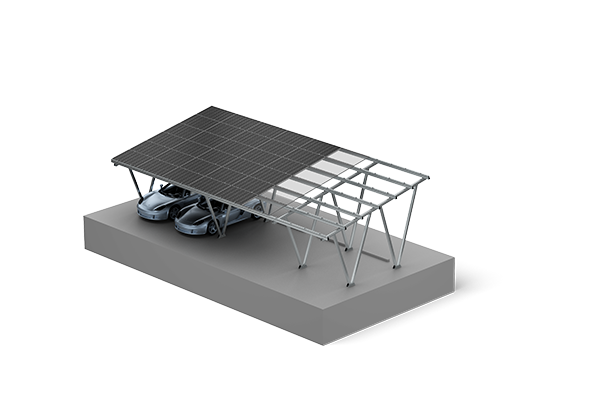
The connection points within these structures deserve particular attention because they transfer forces between beams, columns, rails, and other supporting members. Although fasteners represent a small portion of the overall system, their material performance can directly influence structural stability.
A properly engineered solar carport requires more than strong primary components. The selection of connection hardware, including corrosion-resistant fasteners, must match the environmental conditions and expected service life of the installation.
A solar carport frame experiences a combination of mechanical and environmental pressures throughout its operating period. The structure must support photovoltaic modules while resisting wind forces, temperature changes, moisture exposure, and repeated weather cycles.
Fasteners are responsible for maintaining secure connections between structural members. When these connection points weaken, the entire framework may experience reduced stability or increased maintenance requirements.
Parking areas create additional challenges because solar carports are often located in open environments with limited protection from rain, humidity, and airborne contaminants. Coastal locations can introduce salt exposure, while industrial areas may contain pollutants that accelerate metal degradation.
For this reason, connection components need to be selected based on actual project conditions rather than treated as standard hardware. The durability of every fastening point contributes to the overall reliability of the solar carport frame.
Corrosion is one of the most common long-term concerns for outdoor steel structures. When fasteners lose their protective properties, rust can develop around connection areas and gradually affect mechanical performance.
Stainless steel fasteners are widely valued because their alloy composition provides strong resistance against oxidation. The protective chromium layer formed on stainless steel surfaces helps reduce corrosion risks when exposed to moisture and changing weather conditions.
This characteristic becomes particularly important in solar carport applications where fasteners may remain exposed for decades. Replacing damaged connection hardware after installation can be costly and disruptive, especially for large commercial parking facilities.
Material compatibility is also an important consideration. Engineers need to evaluate the relationship between fasteners and other structural materials to reduce the possibility of galvanic corrosion between different metals.
The performance of a solar carport depends on how effectively forces move through the entire structure. Wind pressure on photovoltaic modules is transferred through rails and beams before reaching columns and foundations.
Fasteners act as critical connection points during this load transfer process. Their strength and stability help maintain the relationship between individual structural members.
A connection failure does not necessarily begin with large visible damage. In many cases, gradual loosening, corrosion, or material fatigue can reduce the effectiveness of a joint over time.
Using appropriate fasteners helps maintain consistent structural behavior throughout the system’s operating life. This is especially important for solar carports because their elevated designs create larger exposed surfaces that interact with wind forces.
Not every solar carport project faces the same operating conditions. A structure installed in a dry inland region may experience different challenges compared with one located near the coastline or in an area with frequent rainfall.
Project designers should consider several factors when selecting fasteners, including humidity levels, exposure to chemicals, temperature variations, and expected maintenance access.
Commercial parking facilities often require solutions that minimize disruption because repairs may affect vehicle access and daily operations. Durable connection components help reduce the frequency of maintenance activities and support more predictable facility management.
For large-scale projects, consistency is equally important. Using reliable hardware across thousands of connection points helps maintain uniform structural quality throughout the installation.
Even high-quality fasteners require correct installation practices to achieve their intended performance. Proper torque control, component alignment, and assembly procedures all influence the final reliability of structural connections.
Incorrect installation can create unnecessary stress on fastening points or reduce the effectiveness of corrosion protection. Professional installation teams follow technical requirements to ensure each connection performs according to the system design.
A complete solar mounting solution should consider both product quality and installation execution. The interaction between materials, engineering design, and construction methods determines how well the structure performs over time.
Solar carports are designed as long-term infrastructure assets. Their value depends not only on electricity generation but also on maintaining safe and stable operation throughout their service period.
Practical challenges in solar applications require mounting solutions that are thoughtfully engineered to meet them. Antaisolar addresses these challenges through a comprehensive approach—from structural component selection to connection hardware—ensuring that solar carport systems are built for long-term dependability.
A lower-cost component may appear attractive during initial planning, but replacement expenses and maintenance interruptions can increase lifecycle costs. Investing in suitable materials helps project owners achieve better reliability and operational confidence.
The success of a solar carport project is determined by many engineering decisions made before construction begins. Structural layout, foundation design, material selection, and connection methods all influence final performance.
Stainless steel fasteners represent one of these important decisions. Their resistance to corrosion and ability to maintain mechanical properties make them suitable for demanding outdoor applications.
The durability of a solar structure depends on the small details as much as the major ones. Antaisolar brings this mindset to every commercial and utility project, developing solutions where even the most overlooked components are considered with care.
The durability of a solar carport depends on the combined performance of every structural element. While beams and columns provide the visible framework, fasteners maintain the connections that hold the system together.
Choosing stainless steel hardware helps protect these critical joints from corrosion and environmental stress. For project developers, evaluating connection materials is an essential part of creating reliable photovoltaic structures.
Countless calculated engineering decisions go into constructing a high-quality solar carport. To build constructions that keep working in the real world, you need strong materials, precise installation, and the right components.
The connection points within these structures deserve particular attention because they transfer forces between beams, columns, rails, and other supporting members. Although fasteners represent a small portion of the overall system, their material performance can directly influence structural stability.
A properly engineered solar carport requires more than strong primary components. The selection of connection hardware, including corrosion-resistant fasteners, must match the environmental conditions and expected service life of the installation.
Solar Carport Frame Connections Face Continuous Outdoor Stress
A solar carport frame experiences a combination of mechanical and environmental pressures throughout its operating period. The structure must support photovoltaic modules while resisting wind forces, temperature changes, moisture exposure, and repeated weather cycles.
Fasteners are responsible for maintaining secure connections between structural members. When these connection points weaken, the entire framework may experience reduced stability or increased maintenance requirements.
Parking areas create additional challenges because solar carports are often located in open environments with limited protection from rain, humidity, and airborne contaminants. Coastal locations can introduce salt exposure, while industrial areas may contain pollutants that accelerate metal degradation.
For this reason, connection components need to be selected based on actual project conditions rather than treated as standard hardware. The durability of every fastening point contributes to the overall reliability of the solar carport frame.
Corrosion Protection Begins with Material Selection
Corrosion is one of the most common long-term concerns for outdoor steel structures. When fasteners lose their protective properties, rust can develop around connection areas and gradually affect mechanical performance.
Stainless steel fasteners are widely valued because their alloy composition provides strong resistance against oxidation. The protective chromium layer formed on stainless steel surfaces helps reduce corrosion risks when exposed to moisture and changing weather conditions.
This characteristic becomes particularly important in solar carport applications where fasteners may remain exposed for decades. Replacing damaged connection hardware after installation can be costly and disruptive, especially for large commercial parking facilities.
Material compatibility is also an important consideration. Engineers need to evaluate the relationship between fasteners and other structural materials to reduce the possibility of galvanic corrosion between different metals.
Small Components Influence Structural Load Transfer
The performance of a solar carport depends on how effectively forces move through the entire structure. Wind pressure on photovoltaic modules is transferred through rails and beams before reaching columns and foundations.
Fasteners act as critical connection points during this load transfer process. Their strength and stability help maintain the relationship between individual structural members.
A connection failure does not necessarily begin with large visible damage. In many cases, gradual loosening, corrosion, or material fatigue can reduce the effectiveness of a joint over time.
Using appropriate fasteners helps maintain consistent structural behavior throughout the system’s operating life. This is especially important for solar carports because their elevated designs create larger exposed surfaces that interact with wind forces.
Selecting Hardware for Different Solar Carport Environments
Not every solar carport project faces the same operating conditions. A structure installed in a dry inland region may experience different challenges compared with one located near the coastline or in an area with frequent rainfall.
Project designers should consider several factors when selecting fasteners, including humidity levels, exposure to chemicals, temperature variations, and expected maintenance access.
Commercial parking facilities often require solutions that minimize disruption because repairs may affect vehicle access and daily operations. Durable connection components help reduce the frequency of maintenance activities and support more predictable facility management.
For large-scale projects, consistency is equally important. Using reliable hardware across thousands of connection points helps maintain uniform structural quality throughout the installation.
Installation Accuracy Determines Connection Performance
Even high-quality fasteners require correct installation practices to achieve their intended performance. Proper torque control, component alignment, and assembly procedures all influence the final reliability of structural connections.
Incorrect installation can create unnecessary stress on fastening points or reduce the effectiveness of corrosion protection. Professional installation teams follow technical requirements to ensure each connection performs according to the system design.
A complete solar mounting solution should consider both product quality and installation execution. The interaction between materials, engineering design, and construction methods determines how well the structure performs over time.
Why Hardware Quality Matters for Long-Term Solar Investments
Solar carports are designed as long-term infrastructure assets. Their value depends not only on electricity generation but also on maintaining safe and stable operation throughout their service period.
Practical challenges in solar applications require mounting solutions that are thoughtfully engineered to meet them. Antaisolar addresses these challenges through a comprehensive approach—from structural component selection to connection hardware—ensuring that solar carport systems are built for long-term dependability.
A lower-cost component may appear attractive during initial planning, but replacement expenses and maintenance interruptions can increase lifecycle costs. Investing in suitable materials helps project owners achieve better reliability and operational confidence.
Engineering Details Define Solar Carport Performance
The success of a solar carport project is determined by many engineering decisions made before construction begins. Structural layout, foundation design, material selection, and connection methods all influence final performance.
Stainless steel fasteners represent one of these important decisions. Their resistance to corrosion and ability to maintain mechanical properties make them suitable for demanding outdoor applications.
The durability of a solar structure depends on the small details as much as the major ones. Antaisolar brings this mindset to every commercial and utility project, developing solutions where even the most overlooked components are considered with care.
Conclusion
The durability of a solar carport depends on the combined performance of every structural element. While beams and columns provide the visible framework, fasteners maintain the connections that hold the system together.
Choosing stainless steel hardware helps protect these critical joints from corrosion and environmental stress. For project developers, evaluating connection materials is an essential part of creating reliable photovoltaic structures.
Countless calculated engineering decisions go into constructing a high-quality solar carport. To build constructions that keep working in the real world, you need strong materials, precise installation, and the right components.
end