
Protecting Metal Roof Surfaces With EPDM Isolation Technology in Solar Mounting Applications
June 03, 2026
Flat metal roofs are increasingly used for commercial and industrial solar installations because they provide large available areas for photovoltaic deployment. However, installing solar systems on coated metal surfaces requires careful attention to roof protection, especially when mounting components interact directly with the roofing layer.
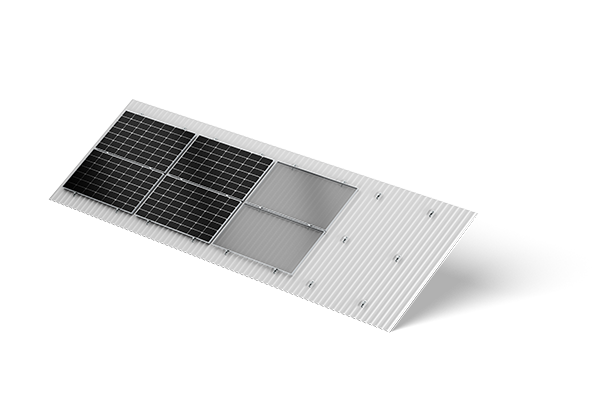
A roof coating is designed to protect the metal surface from moisture, corrosion, and environmental exposure. During solar installation, pressure points, vibration, and material contact can potentially affect the long-term condition of this protective layer.
EPDM (ethylene propylene diene monomer) rubber isolation pads provide an effective approach to reducing direct contact between mounting components and roof surfaces. By creating a protective interface, these components help preserve coating integrity while supporting stable solar installation.
Metal roof coatings serve an important function beyond appearance. They act as a protective barrier that helps prevent corrosion and extends the service life of the roofing material.
When solar mounting components are installed directly against coated metal surfaces, repeated environmental movement can create friction between different materials. Temperature changes, wind-induced vibration, and structural movement may gradually affect areas where contact pressure exists.
For this reason, selecting a suitable mounting approach is essential. A professional flat metal roof solar mounting supplier should consider not only the strength of the mounting structure but also how installation methods interact with the existing roof system.
EPDM rubber isolation pads create a separation layer between mounting components and the metal roof surface. This separation helps reduce direct friction and limits potential damage caused by continuous contact.
The flexibility of EPDM allows the pad to accommodate small movements between the mounting system and roof surface. This is particularly valuable because metal roofs naturally expand and contract as temperatures change throughout the day and across seasons.
By reducing direct pressure points, isolation pads help distribute forces more evenly. This supports better compatibility between the solar mounting structure and the coated roofing material.
One of the main concerns with metal roof solar installations is long-term mechanical interaction. Even small movements caused by wind or thermal expansion can create repeated stress at contact locations.
Without proper separation, mounting components may create localized pressure areas that affect protective coatings over time. Once the coating layer becomes compromised, the exposed metal may become more vulnerable to environmental conditions.
EPDM isolation technology helps minimize these risks by providing a durable buffer between materials. The pad acts as a protective interface that supports long-term roof performance while allowing the solar system to remain securely installed.
Metal roofing systems experience regular expansion and contraction because of temperature fluctuations. This movement must be considered when designing rooftop solar installations.
Rigid contact between mounting hardware and roof surfaces may increase stress when materials expand or contract at different rates. A flexible isolation layer helps accommodate these small movements and reduces unnecessary strain.
This consideration is especially important for large commercial solar projects where extensive roof areas experience significant temperature variation. Proper mounting design should allow the solar system and roof structure to work together rather than compete against each other.
Maintaining waterproofing performance is one of the most important responsibilities when installing solar equipment on metal roofs. Any mounting solution must protect the roof envelope while supporting photovoltaic equipment.
Isolation pads contribute to this goal by reducing aggressive contact between mounting elements and the roof coating. They help maintain a cleaner separation between structural components and the roofing surface.
We consider roof protection an essential part of rooftop solar engineering. Antaisolar develops mounting solutions that focus on compatibility with different roof conditions, helping customers achieve reliable solar installations without compromising existing structures.
Choosing a supplier for metal roof solar projects requires evaluating more than structural strength. Developers should consider whether the supplier understands roof material behavior and installation challenges.
A qualified flat metal roof solar mounting supplier should provide solutions that account for roof protection, component compatibility, and long-term system performance. The mounting design should support both energy generation goals and the preservation of the building structure.
Important evaluation points include installation methods, material selection, adaptability to different roof profiles, and the supplier’s ability to address specific project conditions.
The relationship between a solar mounting system and the roof beneath it directly influences project durability. A successful installation should not treat the roof as a simple foundation but as an existing structure that requires protection.
EPDM rubber isolation pads represent a small but important component in achieving better integration between solar systems and metal roofing. Their role demonstrates how thoughtful engineering details can influence long-term project outcomes.
Rooftop solar is gaining ground across commercial and industrial sectors, and with that growth comes greater responsibility to protect the structures beneath. Antaisolar believes that dependable solar systems are built on a foundation of structural reliability—and a commitment to getting every installation detail right.
Protecting flat metal roof coatings is a key consideration for long-lasting rooftop solar projects. Components such as EPDM rubber isolation pads help reduce mechanical interaction, accommodate movement, and maintain better compatibility between mounting systems and roof surfaces.
The right mounting approach does more than support solar panels—it also preserves the roof beneath them. When material choices and engineering decisions are made with care, the installation provides sustained performance and asset protection over its lifecycle.
With larger rooftop systems becoming more common, protective detailing is no longer a secondary concern. These small but critical features will play an increasingly important role in delivering the reliability that renewable energy projects require.
A roof coating is designed to protect the metal surface from moisture, corrosion, and environmental exposure. During solar installation, pressure points, vibration, and material contact can potentially affect the long-term condition of this protective layer.
EPDM (ethylene propylene diene monomer) rubber isolation pads provide an effective approach to reducing direct contact between mounting components and roof surfaces. By creating a protective interface, these components help preserve coating integrity while supporting stable solar installation.
Why Metal Roof Coatings Need Protection During Solar Installation
Metal roof coatings serve an important function beyond appearance. They act as a protective barrier that helps prevent corrosion and extends the service life of the roofing material.
When solar mounting components are installed directly against coated metal surfaces, repeated environmental movement can create friction between different materials. Temperature changes, wind-induced vibration, and structural movement may gradually affect areas where contact pressure exists.
For this reason, selecting a suitable mounting approach is essential. A professional flat metal roof solar mounting supplier should consider not only the strength of the mounting structure but also how installation methods interact with the existing roof system.
The Role of EPDM Rubber Isolation Pads in Roof Protection
EPDM rubber isolation pads create a separation layer between mounting components and the metal roof surface. This separation helps reduce direct friction and limits potential damage caused by continuous contact.
The flexibility of EPDM allows the pad to accommodate small movements between the mounting system and roof surface. This is particularly valuable because metal roofs naturally expand and contract as temperatures change throughout the day and across seasons.
By reducing direct pressure points, isolation pads help distribute forces more evenly. This supports better compatibility between the solar mounting structure and the coated roofing material.
Preventing Mechanical Wear and Surface Damage
One of the main concerns with metal roof solar installations is long-term mechanical interaction. Even small movements caused by wind or thermal expansion can create repeated stress at contact locations.
Without proper separation, mounting components may create localized pressure areas that affect protective coatings over time. Once the coating layer becomes compromised, the exposed metal may become more vulnerable to environmental conditions.
EPDM isolation technology helps minimize these risks by providing a durable buffer between materials. The pad acts as a protective interface that supports long-term roof performance while allowing the solar system to remain securely installed.
Managing Thermal Expansion and Contraction on Flat Metal Roofs
Metal roofing systems experience regular expansion and contraction because of temperature fluctuations. This movement must be considered when designing rooftop solar installations.
Rigid contact between mounting hardware and roof surfaces may increase stress when materials expand or contract at different rates. A flexible isolation layer helps accommodate these small movements and reduces unnecessary strain.
This consideration is especially important for large commercial solar projects where extensive roof areas experience significant temperature variation. Proper mounting design should allow the solar system and roof structure to work together rather than compete against each other.
Improving Waterproofing Reliability Around Solar Mounting Areas
Maintaining waterproofing performance is one of the most important responsibilities when installing solar equipment on metal roofs. Any mounting solution must protect the roof envelope while supporting photovoltaic equipment.
Isolation pads contribute to this goal by reducing aggressive contact between mounting elements and the roof coating. They help maintain a cleaner separation between structural components and the roofing surface.
We consider roof protection an essential part of rooftop solar engineering. Antaisolar develops mounting solutions that focus on compatibility with different roof conditions, helping customers achieve reliable solar installations without compromising existing structures.
What to Consider When Selecting a Rooftop Mounting Partner
Choosing a supplier for metal roof solar projects requires evaluating more than structural strength. Developers should consider whether the supplier understands roof material behavior and installation challenges.
A qualified flat metal roof solar mounting supplier should provide solutions that account for roof protection, component compatibility, and long-term system performance. The mounting design should support both energy generation goals and the preservation of the building structure.
Important evaluation points include installation methods, material selection, adaptability to different roof profiles, and the supplier’s ability to address specific project conditions.
Supporting Long-Term Solar Performance Through Better Roof Integration
The relationship between a solar mounting system and the roof beneath it directly influences project durability. A successful installation should not treat the roof as a simple foundation but as an existing structure that requires protection.
EPDM rubber isolation pads represent a small but important component in achieving better integration between solar systems and metal roofing. Their role demonstrates how thoughtful engineering details can influence long-term project outcomes.
Rooftop solar is gaining ground across commercial and industrial sectors, and with that growth comes greater responsibility to protect the structures beneath. Antaisolar believes that dependable solar systems are built on a foundation of structural reliability—and a commitment to getting every installation detail right.
Conclusion
Protecting flat metal roof coatings is a key consideration for long-lasting rooftop solar projects. Components such as EPDM rubber isolation pads help reduce mechanical interaction, accommodate movement, and maintain better compatibility between mounting systems and roof surfaces.
The right mounting approach does more than support solar panels—it also preserves the roof beneath them. When material choices and engineering decisions are made with care, the installation provides sustained performance and asset protection over its lifecycle.
With larger rooftop systems becoming more common, protective detailing is no longer a secondary concern. These small but critical features will play an increasingly important role in delivering the reliability that renewable energy projects require.
end