
What Determines the Manufacturing and Material Costs of a Solar Ground System?
September 18, 2026
A solar ground racking system is more than a collection of steel, aluminum, fasteners, and foundations. For developers, EPC teams, and procurement managers, its cost is shaped by material selection, structural loading, manufacturing, site conditions, logistics, and installation. Understanding these drivers helps us compare quotations fairly and avoid choosing a low hardware price that creates higher costs later.
Steel offers high structural strength and is widely used for piles and primary members. Aluminum is lighter and may simplify handling, but its material economics can differ. Buyers should therefore compare material cost with complete installed cost rather than price per kilogram alone.
Coatings also affect manufacturing cost. Corrosion protection adds processing expense but can be important in wet or aggressive environments. DOE states that PV mounting structures need to withstand weather and corrosion over decades.
A heavier structure is not automatically a better-value structure. Oversizing increases material, shipping weight, foundation, and installation costs. Under-design, however, can create structural risk. DOE resilience guidance shows that stronger racking configurations and additional supports can carry measurable premiums, illustrating the trade-off between structural performance and cost.
Project-specific engineering is therefore important. A system designed for one climate should not automatically be configured for another. Accurate calculations can reduce unnecessary material while maintaining required performance.
Production volume also matters. Repeatable orders can improve equipment utilization and purchasing efficiency, while highly customized parts can require additional tooling or production changes.
Preassembly can shift cost between factory and field. It may increase factory labor and packaging needs, but it can reduce installation time. NREL cost modeling treats racking, site preparation, and field activities as distinct cost elements and considers how quantities and labor change with design and scale.
Site preparation can add expense. Slopes, rocky ground, difficult access, drainage requirements, and uneven terrain may increase surveying, civil work, equipment needs, or installation time.
For business buyers, scope of supply is essential. We should confirm whether foundation design, structural calculations, installation accessories, and site-specific engineering are included before comparing quotations.
Installation productivity matters too. Components that are easier to align, connect, and handle can reduce field labor. DOE separates structural balance-of-system hardware from fieldwork in its PV cost model, reinforcing the need to look beyond hardware purchase price.
DOE's benchmark framework treats structural balance-of-system costs as a distinct hardware category and recognizes fixed and variable cost elements. That supports a disciplined approach to understanding how project scale and design choices influence costs.
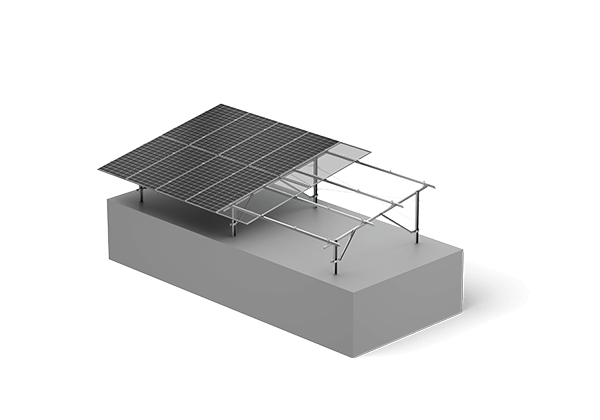
Our ground mounting portfolio uses corrosion-resistant materials and customized engineering for large-scale PV applications. The MetaGround-ST Ground Mounting System-VE uses HDG, ZAM, or SUS304 materials, supports portrait or landscape layouts, and has a 10° tilt angle or project-specific adjustment. Its stated design limits include wind loads up to 60 m/s and snow loads of 1.6 kN/m².
For business solar projects, the strongest strategy is not simply finding the lowest hardware quotation. It is selecting a design that uses materials efficiently, fits site conditions, supports efficient installation, and provides predictable long-term performance. That approach makes ground mounting a practical lever for controlling total project cost.
Material Selection Sets the Baseline
Ground-mounted PV structures commonly use steel, aluminum, or combinations of both. DOE notes that ground-mounted racking is commonly made from steel that is coated or galvanized for corrosion protection. Material choice affects raw material spending, member dimensions, fabrication, transportation, and installation.Steel offers high structural strength and is widely used for piles and primary members. Aluminum is lighter and may simplify handling, but its material economics can differ. Buyers should therefore compare material cost with complete installed cost rather than price per kilogram alone.
Coatings also affect manufacturing cost. Corrosion protection adds processing expense but can be important in wet or aggressive environments. DOE states that PV mounting structures need to withstand weather and corrosion over decades.
Structural Design Controls Material Use
A major cost driver is the amount of material required to meet site loads. Wind speed, snow load, terrain, module configuration, foundation conditions, and array geometry can change member sizes, pile dimensions, bracing, and connection details.A heavier structure is not automatically a better-value structure. Oversizing increases material, shipping weight, foundation, and installation costs. Under-design, however, can create structural risk. DOE resilience guidance shows that stronger racking configurations and additional supports can carry measurable premiums, illustrating the trade-off between structural performance and cost.
Project-specific engineering is therefore important. A system designed for one climate should not automatically be configured for another. Accurate calculations can reduce unnecessary material while maintaining required performance.
Manufacturing Processes Add Cost
Raw materials are only one part of manufacturing. Cutting, punching, drilling, roll forming, welding, machining, coating, inspection, and assembly add labor, equipment, energy, and quality-control costs.Production volume also matters. Repeatable orders can improve equipment utilization and purchasing efficiency, while highly customized parts can require additional tooling or production changes.
Preassembly can shift cost between factory and field. It may increase factory labor and packaging needs, but it can reduce installation time. NREL cost modeling treats racking, site preparation, and field activities as distinct cost elements and considers how quantities and labor change with design and scale.
Foundations and Site Conditions Change Costs
Ground solar mounting has a direct relationship with the land beneath the array. Driven piles, ground screws, and concrete foundations can involve different material, equipment, and labor requirements.Site preparation can add expense. Slopes, rocky ground, difficult access, drainage requirements, and uneven terrain may increase surveying, civil work, equipment needs, or installation time.
For business buyers, scope of supply is essential. We should confirm whether foundation design, structural calculations, installation accessories, and site-specific engineering are included before comparing quotations.
Logistics and Installation Affect the Real Price
The factory price of a solar ground racking system is not its total installed cost. Long members can consume shipping volume, while heavy steel components can increase freight and handling costs. Packaging, container utilization, delivery distance, duties, and local handling all influence the landed price.Installation productivity matters too. Components that are easier to align, connect, and handle can reduce field labor. DOE separates structural balance-of-system hardware from fieldwork in its PV cost model, reinforcing the need to look beyond hardware purchase price.
A Better Way to Evaluate Supplier Quotations
We can evaluate quotations by separating material, manufacturing, foundation, logistics, and installation-related costs. It is also important to check design assumptions. Wind and snow loads, module dimensions, array layout, corrosion environment, foundation type, and applicable standards should be clearly stated.DOE's benchmark framework treats structural balance-of-system costs as a distinct hardware category and recognizes fixed and variable cost elements. That supports a disciplined approach to understanding how project scale and design choices influence costs.
Our Approach to Ground Solar Mounting
At Antaisolar, we treat ground solar mounting as an engineered project solution rather than a commodity. We provide customized solutions based on project requirements, local conditions, installation efficiency, and long-term performance. We serve EPC contractors and installers, with 48 completed projects worldwide. Our engineering team works with clients to optimize system design for individual applications.Our ground mounting portfolio uses corrosion-resistant materials and customized engineering for large-scale PV applications. The MetaGround-ST Ground Mounting System-VE uses HDG, ZAM, or SUS304 materials, supports portrait or landscape layouts, and has a 10° tilt angle or project-specific adjustment. Its stated design limits include wind loads up to 60 m/s and snow loads of 1.6 kN/m².
Turning Cost Drivers into Better Decisions
The real cost of a solar ground racking system is created long before components reach the site. Material prices matter, but structural efficiency, manufacturing complexity, foundations, logistics, and installation productivity matter as well. When we assess these factors together, we can make procurement decisions that balance upfront spending with reliability and execution.For business solar projects, the strongest strategy is not simply finding the lowest hardware quotation. It is selecting a design that uses materials efficiently, fits site conditions, supports efficient installation, and provides predictable long-term performance. That approach makes ground mounting a practical lever for controlling total project cost.
end