
Why Specialized Solar Panel Roof Rack Mounts Protect Trapezoidal Roofs From Galvanic Corrosion
September 08, 2026
Trapezoidal sheet roofs create a practical platform for commercial solar, but the connection between the roof and PV array deserves careful attention. When aluminum mounting components, coated steel sheets, fasteners, and moisture meet, galvanic corrosion can become a long-term reliability concern. We therefore need a solar panel roof rack mount that considers material compatibility, electrical isolation, drainage, and the actual roof profile instead of treating corrosion as an afterthought.
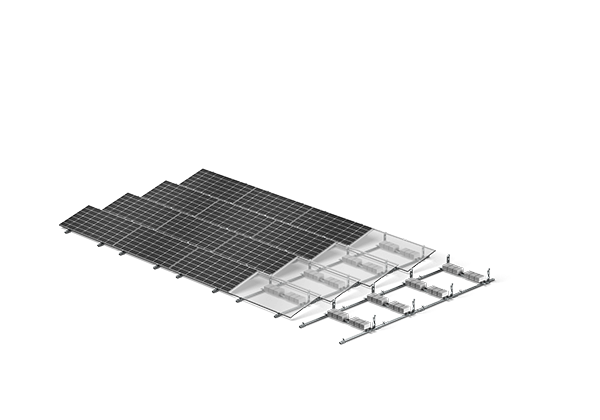
A trapezoidal sheet roof can contain coated steel or other metallic substrates, while PV racking commonly uses aluminum and stainless-steel fasteners. If incompatible combinations remain electrically connected while exposed to water, one metal can become the anode and corrode faster. The American Galvanizers Association also emphasizes that corrosion risk depends on metal pairing, environment, and the relative surface areas of the metals.
For us, corrosion prevention therefore starts before installation. We need to identify the roof material and coating, mounting material, fastener grade, and environmental exposure. Coastal air, industrial pollutants, high humidity, and agricultural environments can make corrosion management more demanding than on a dry inland site.
The American Galvanizers Association explains that electrically isolating dissimilar metals can prevent a galvanic cell from forming. Depending on the system, suitable isolation may involve nonconductive spacers, gaskets, coatings, or other manufacturer-approved interface components. We should never introduce an unverified washer, coating, or substitute fastener simply because it appears compatible.
That makes drainage and detailing important parts of corrosion control. The mounting interface should avoid unnecessary water traps, and damaged roof coatings should be addressed according to the roof manufacturer's requirements. The U.S. Department of Energy also recommends systematic corrosion-risk assessment and maintenance for PV systems in challenging environments.
We should therefore specify fasteners as part of the complete mounting system rather than treating them as generic hardware. The Department of Energy highlights fasteners as particularly vulnerable PV components and notes that improper fastener selection can affect bonding reliability. Project specifications should define the approved fastener, coating, torque, and installation method.
We should verify the sheet profile, material thickness, purlin layout, allowable attachment locations, and project loads before selecting the mounting hardware. A precise fit reduces unnecessary movement at the connection and helps installers maintain the intended sealing and isolation details. It also supports repeatable installation quality across larger commercial projects with many attachment points.
For EPC contractors and installers, standardized components can also improve consistency across repeated roof projects. Pre-assembled parts, clear installation instructions, and defined compatibility information reduce the possibility of field substitutions that can undermine the original corrosion-control strategy.
We should follow the mounting manufacturer's instructions, use the specified tools and fasteners, and inspect interfaces after installation. For projects in severe environments, periodic inspection should focus on fasteners, coating damage, moisture accumulation, and visible corrosion around mounting points.
At Antaisolar, we provide roof solar mounting solutions and tailor systems to different roof types. Our systems are developed with careful consideration of material compatibility, fixing methods, and long-term durability to help reduce risks such as galvanic corrosion. With optimized components and project-specific configurations, we support EPCs and installers in selecting reliable mounting solutions for commercial and industrial rooftop solar projects.
Understanding Galvanic Corrosion on Trapezoidal Roofs
Galvanic corrosion is an electrochemical process involving two dissimilar metals, an electrical connection, and an electrolyte such as moisture. The U.S. Department of Energy notes that solar PV systems commonly combine different metals, making galvanic corrosion a relevant design consideration, particularly in corrosive environments.A trapezoidal sheet roof can contain coated steel or other metallic substrates, while PV racking commonly uses aluminum and stainless-steel fasteners. If incompatible combinations remain electrically connected while exposed to water, one metal can become the anode and corrode faster. The American Galvanizers Association also emphasizes that corrosion risk depends on metal pairing, environment, and the relative surface areas of the metals.
Why the Mounting Interface Matters
The mounting interface is where different materials, mechanical loads, and weather exposure converge. A poorly selected bracket or fastener can damage the roof coating, create crevices that retain moisture, or establish an unwanted electrical path between dissimilar metals.For us, corrosion prevention therefore starts before installation. We need to identify the roof material and coating, mounting material, fastener grade, and environmental exposure. Coastal air, industrial pollutants, high humidity, and agricultural environments can make corrosion management more demanding than on a dry inland site.
Material Compatibility Reduces Long-Term Risk
Choosing a solar panel roof rack mount made from corrosion-resistant materials is important, but material selection alone is not enough. We also need to evaluate how the mounting component interacts with the roof sheet and fasteners.The American Galvanizers Association explains that electrically isolating dissimilar metals can prevent a galvanic cell from forming. Depending on the system, suitable isolation may involve nonconductive spacers, gaskets, coatings, or other manufacturer-approved interface components. We should never introduce an unverified washer, coating, or substitute fastener simply because it appears compatible.
Keep Moisture From Becoming the Electrolyte
Galvanic corrosion requires moisture or another conductive electrolyte to complete the corrosion cell. Roof-mounted solar systems are naturally exposed to rain, condensation, humidity, and, in some locations, salt-laden air.That makes drainage and detailing important parts of corrosion control. The mounting interface should avoid unnecessary water traps, and damaged roof coatings should be addressed according to the roof manufacturer's requirements. The U.S. Department of Energy also recommends systematic corrosion-risk assessment and maintenance for PV systems in challenging environments.
Fasteners Deserve Special Attention
Fasteners may be small components, but their failure can compromise both mechanical attachment and electrical bonding. A solar installation can contain multiple fastener materials, including stainless steel, galvanized steel, and aluminum components.We should therefore specify fasteners as part of the complete mounting system rather than treating them as generic hardware. The Department of Energy highlights fasteners as particularly vulnerable PV components and notes that improper fastener selection can affect bonding reliability. Project specifications should define the approved fastener, coating, torque, and installation method.
Design Around the Trapezoidal Profile
Corrosion prevention also depends on correct mechanical fit. Trapezoidal sheets vary in rib geometry, thickness, coating, and support arrangement. A mounting component designed for one profile may not be suitable for another.We should verify the sheet profile, material thickness, purlin layout, allowable attachment locations, and project loads before selecting the mounting hardware. A precise fit reduces unnecessary movement at the connection and helps installers maintain the intended sealing and isolation details. It also supports repeatable installation quality across larger commercial projects with many attachment points.
For EPC contractors and installers, standardized components can also improve consistency across repeated roof projects. Pre-assembled parts, clear installation instructions, and defined compatibility information reduce the possibility of field substitutions that can undermine the original corrosion-control strategy.
Installation Quality Completes the Protection Strategy
Even a well-engineered solar panel roof rack mount can perform poorly if installed incorrectly. Over-tightening may damage roofing or sealing components, while under-tightening can allow movement and water ingress. Scratches through protective coatings may also create localized corrosion sites.We should follow the mounting manufacturer's instructions, use the specified tools and fasteners, and inspect interfaces after installation. For projects in severe environments, periodic inspection should focus on fasteners, coating damage, moisture accumulation, and visible corrosion around mounting points.
Building a Reliable Roof Mounting Approach
A successful trapezoidal-roof PV project requires more than selecting a strong bracket. We need a coordinated approach that considers galvanic compatibility, electrical isolation, water management, roof geometry, structural loads, and installation workmanship. This approach can reduce avoidable degradation while supporting dependable long-term PV operation.At Antaisolar, we provide roof solar mounting solutions and tailor systems to different roof types. Our systems are developed with careful consideration of material compatibility, fixing methods, and long-term durability to help reduce risks such as galvanic corrosion. With optimized components and project-specific configurations, we support EPCs and installers in selecting reliable mounting solutions for commercial and industrial rooftop solar projects.
end