
Best Pre-Assembly Components That Accelerate AT-Spark Tracker Field Installation
August 10, 2026
Utility-scale solar projects are becoming increasingly complex, with developers and EPC contractors seeking solutions that can shorten construction cycles while maintaining system reliability. Efficient field installation has become a key factor influencing project success, especially as solar plants continue to expand in size and geographic diversity. Pre-assembly components provide an effective way to simplify construction processes, improve installation accuracy, and reduce labor pressure for modern solar tracking projects.
Large photovoltaic installations involve thousands of structural parts, mechanical connections, and assembly procedures. Traditional field-based assembly methods often require more labor hours, additional tools, and careful coordination among construction teams. These challenges can affect project schedules and increase the complexity of quality control.
Pre-assembly technology helps address these issues by transferring more manufacturing processes into controlled factory environments. Components can be prepared, tested, and optimized before arriving at the project site. This approach allows installation teams to focus on efficient deployment rather than extensive preparation work.
For utility-scale solar projects, faster installation does not only mean shorter construction periods. It can also improve resource allocation, reduce project risks, and help developers achieve earlier power generation. Therefore, selecting tracking systems with optimized pre-assembly components has become an important consideration during procurement.
One of the most valuable innovations in solar tracker installation is the development of quick-install structural components. These components are designed to reduce complicated assembly procedures while maintaining strong mechanical performance.
A well-designed quick-install system allows workers to complete installation steps more efficiently with fewer manual operations. This can reduce dependence on specialized skills and improve consistency across large solar sites. For EPC teams managing projects with strict timelines, these improvements can create meaningful advantages.
The connection between installation speed and system reliability is also important. Components that are precisely manufactured and easier to assemble can help reduce installation deviations. Accurate assembly supports proper tracker movement and helps modules operate within their intended tracking positions.
Pre-assembly components must balance installation convenience with long-term durability. Solar trackers operate outdoors for decades and must withstand environmental factors such as wind, temperature changes, and challenging terrain conditions.
Advanced structural designs can improve material utilization while maintaining mechanical strength. Optimized components reduce unnecessary complexity and create more efficient tracker architectures. This helps solar project owners achieve reliable operation without increasing installation difficulty.
The torque tube is one of the most important structural elements in a solar tracking system. Its design directly influences tracker stability, load distribution, and overall performance. A stronger and more efficient torque tube structure can contribute to better reliability while supporting easier transportation and installation.
Solar projects are increasingly developed in locations with different terrain characteristics. Sloped land, uneven surfaces, and challenging site conditions require tracking solutions that can provide flexibility during installation.
Independent-row tracking systems with advanced bearing structures can improve adaptability by allowing tracker rows to respond more effectively to local terrain variations. This reduces the need for extensive land preparation and helps project teams maintain efficient construction processes.
Terrain adaptability is especially valuable for large-scale projects where small installation improvements across thousands of tracker rows can create significant time and cost benefits. Flexible mechanical designs allow developers to maximize available land resources while maintaining stable system operation.
When selecting solar tracking solutions, project owners should evaluate more than initial equipment costs. Installation efficiency, maintenance requirements, structural reliability, and long-term energy production all contribute to the total value of a tracking system.
Pre-assembly components support this broader evaluation by improving construction efficiency and reducing potential installation challenges. A system that arrives with optimized components can help contractors complete projects more predictably and reduce unnecessary delays.
Additionally, advanced pre-assembly solutions demonstrate a manufacturer’s ability to integrate engineering expertise with practical project requirements. Manufacturers that focus on both product innovation and installation experience can provide greater value throughout the entire project lifecycle.
We are Antaisolar, dedicated to advancing new energy development through technological innovation and providing comprehensive PV mounting system solutions. With global experience and professional engineering capabilities, we support customers through customized design, installation guidance, and lifecycle services.
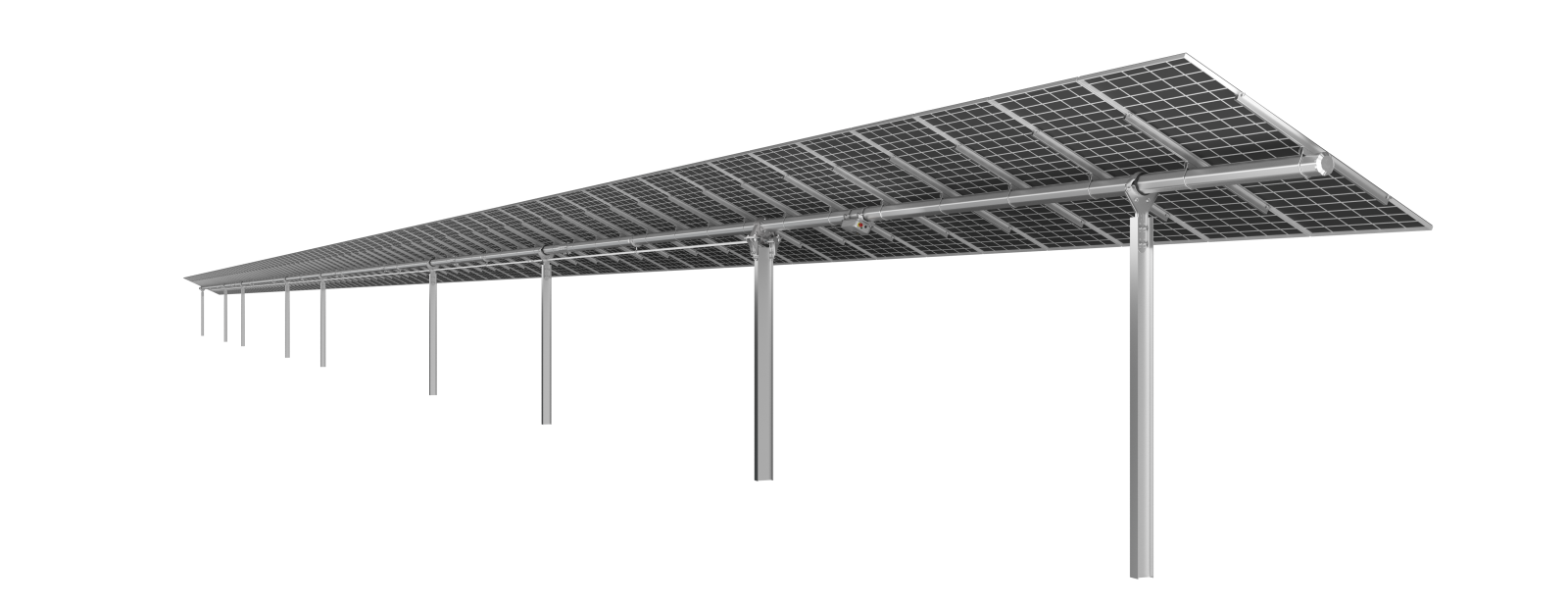
Our AT-Spark Multiple Slew-drive Single-axis Independent Solar Tracking System - 1P is designed as an optimal tracking solution for utility-scale solar projects. To improve field installation efficiency, AT-Spark integrates a Quick-install Bearing Housing featuring a “Snap. Flip. Twist.” installation method, which improves core component installation efficiency by 25%.
AT-Spark also adopts Antaisolar’s self-developed octagonal torque tube, providing a stronger structure, higher material utilization, and up to 30% material cost reduction. With its multi-slew drive design, the system can achieve a maximum length of 143 meters, supporting efficient project deployment.
Furthermore, AT-Spark incorporates a patented dual-spherical bearing design that enables omni-directional rotation and adapts to north-south slopes of up to 15%. By combining installation-friendly components, advanced structural engineering, and terrain adaptability, AT-Spark helps utility-scale solar projects achieve faster construction, reliable operation, and stronger long-term value.
The Growing Importance of Installation Efficiency in Solar Projects
Large photovoltaic installations involve thousands of structural parts, mechanical connections, and assembly procedures. Traditional field-based assembly methods often require more labor hours, additional tools, and careful coordination among construction teams. These challenges can affect project schedules and increase the complexity of quality control.
Pre-assembly technology helps address these issues by transferring more manufacturing processes into controlled factory environments. Components can be prepared, tested, and optimized before arriving at the project site. This approach allows installation teams to focus on efficient deployment rather than extensive preparation work.
For utility-scale solar projects, faster installation does not only mean shorter construction periods. It can also improve resource allocation, reduce project risks, and help developers achieve earlier power generation. Therefore, selecting tracking systems with optimized pre-assembly components has become an important consideration during procurement.
Quick-Install Components Improve Field Assembly Performance
One of the most valuable innovations in solar tracker installation is the development of quick-install structural components. These components are designed to reduce complicated assembly procedures while maintaining strong mechanical performance.
A well-designed quick-install system allows workers to complete installation steps more efficiently with fewer manual operations. This can reduce dependence on specialized skills and improve consistency across large solar sites. For EPC teams managing projects with strict timelines, these improvements can create meaningful advantages.
The connection between installation speed and system reliability is also important. Components that are precisely manufactured and easier to assemble can help reduce installation deviations. Accurate assembly supports proper tracker movement and helps modules operate within their intended tracking positions.
Improving Structural Strength Through Optimized Component Design
Pre-assembly components must balance installation convenience with long-term durability. Solar trackers operate outdoors for decades and must withstand environmental factors such as wind, temperature changes, and challenging terrain conditions.
Advanced structural designs can improve material utilization while maintaining mechanical strength. Optimized components reduce unnecessary complexity and create more efficient tracker architectures. This helps solar project owners achieve reliable operation without increasing installation difficulty.
The torque tube is one of the most important structural elements in a solar tracking system. Its design directly influences tracker stability, load distribution, and overall performance. A stronger and more efficient torque tube structure can contribute to better reliability while supporting easier transportation and installation.
Adapting Tracker Installation to Complex Terrain Conditions
Solar projects are increasingly developed in locations with different terrain characteristics. Sloped land, uneven surfaces, and challenging site conditions require tracking solutions that can provide flexibility during installation.
Independent-row tracking systems with advanced bearing structures can improve adaptability by allowing tracker rows to respond more effectively to local terrain variations. This reduces the need for extensive land preparation and helps project teams maintain efficient construction processes.
Terrain adaptability is especially valuable for large-scale projects where small installation improvements across thousands of tracker rows can create significant time and cost benefits. Flexible mechanical designs allow developers to maximize available land resources while maintaining stable system operation.
Why Pre-Assembly Innovation Supports Long-Term Project Value
When selecting solar tracking solutions, project owners should evaluate more than initial equipment costs. Installation efficiency, maintenance requirements, structural reliability, and long-term energy production all contribute to the total value of a tracking system.
Pre-assembly components support this broader evaluation by improving construction efficiency and reducing potential installation challenges. A system that arrives with optimized components can help contractors complete projects more predictably and reduce unnecessary delays.
Additionally, advanced pre-assembly solutions demonstrate a manufacturer’s ability to integrate engineering expertise with practical project requirements. Manufacturers that focus on both product innovation and installation experience can provide greater value throughout the entire project lifecycle.
How Antaisolar's AT-Spark Enhances Tracker Installation Efficiency
We are Antaisolar, dedicated to advancing new energy development through technological innovation and providing comprehensive PV mounting system solutions. With global experience and professional engineering capabilities, we support customers through customized design, installation guidance, and lifecycle services.
Our AT-Spark Multiple Slew-drive Single-axis Independent Solar Tracking System - 1P is designed as an optimal tracking solution for utility-scale solar projects. To improve field installation efficiency, AT-Spark integrates a Quick-install Bearing Housing featuring a “Snap. Flip. Twist.” installation method, which improves core component installation efficiency by 25%.
AT-Spark also adopts Antaisolar’s self-developed octagonal torque tube, providing a stronger structure, higher material utilization, and up to 30% material cost reduction. With its multi-slew drive design, the system can achieve a maximum length of 143 meters, supporting efficient project deployment.
Furthermore, AT-Spark incorporates a patented dual-spherical bearing design that enables omni-directional rotation and adapts to north-south slopes of up to 15%. By combining installation-friendly components, advanced structural engineering, and terrain adaptability, AT-Spark helps utility-scale solar projects achieve faster construction, reliable operation, and stronger long-term value.
end