
Engineering Solar Mounting Structures for Reliable Performance Under Dynamic Seismic Forces
June 01, 2026
Solar projects located in earthquake-prone regions require more than efficient energy generation. Their supporting structures must withstand repeated ground movements, sudden vibrations, and changing forces that can affect long-term stability.
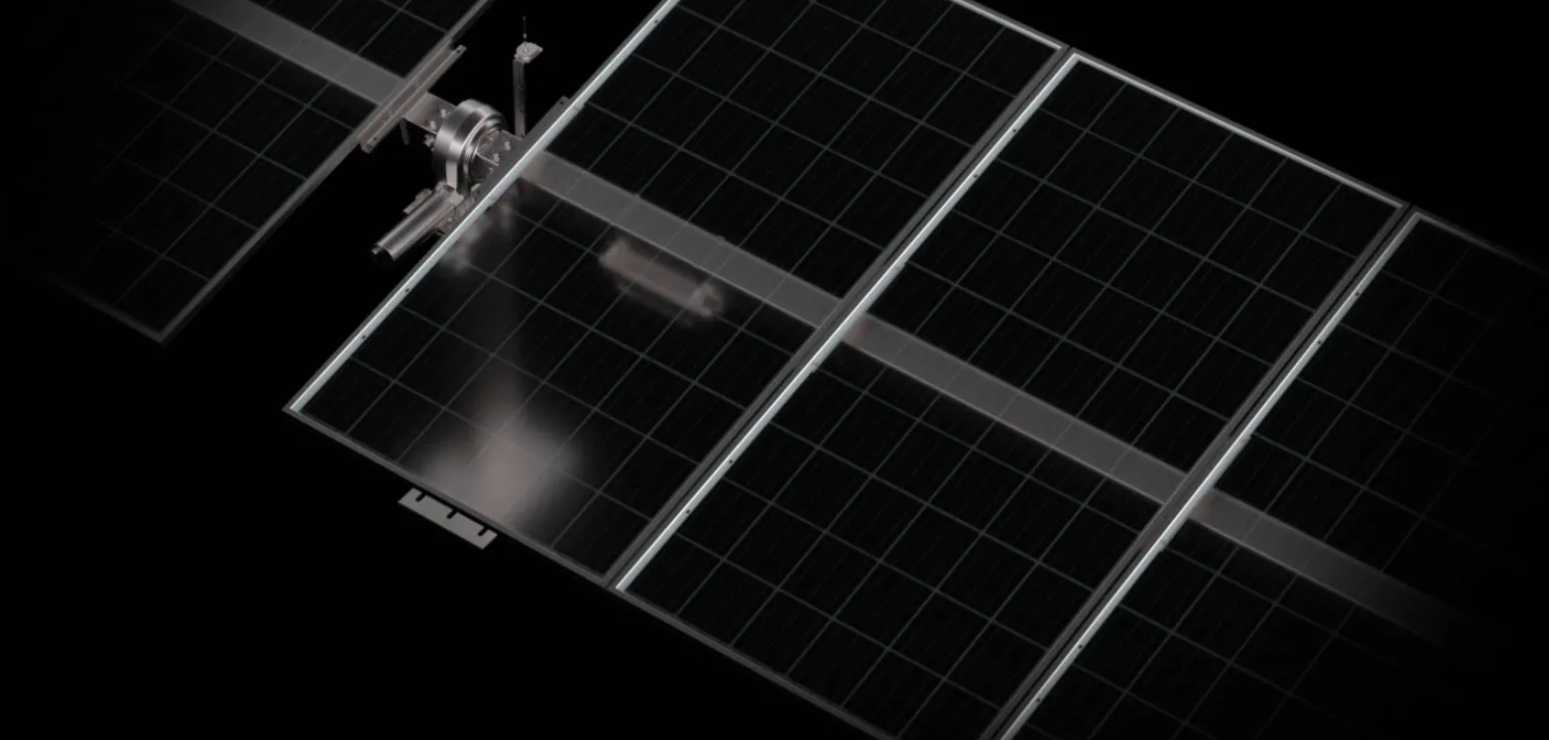
Unlike static loads from modules and equipment, seismic forces create complex dynamic responses throughout a mounting structure. Engineers must consider factors such as structural flexibility, connection strength, foundation performance, and site-specific conditions during the design process.
Antaisolar provides solar mounting solutions designed for different project environments, with engineering considerations focused on reliability and structural performance. Understanding how these systems respond to seismic conditions helps developers select suitable solutions for challenging locations.
Earthquakes generate dynamic forces that differ significantly from common environmental loads. Wind and snow pressures usually act in predictable directions, while seismic movement can create rapid acceleration changes that affect the entire structure.
A solar mounting system must transfer these forces safely from the modules through rails, brackets, posts, and foundations. Weak connections or improper load distribution may increase stress concentration and reduce structural stability.
Engineers analyze how components behave during vibration and movement. The objective is not only to prevent collapse but also to maintain the alignment and functionality of the solar array after seismic events.
The design of a solar mounting system begins with understanding site conditions. Soil characteristics, seismic activity levels, terrain features, and installation methods all influence structural requirements.
Engineers use load calculations and structural simulations to evaluate how different components respond under dynamic conditions. These assessments help determine appropriate materials, connection methods, and support configurations.
Connection design is particularly important because joints transfer forces between structural members. Bolts, clamps, and fastening points must maintain sufficient strength while allowing controlled movement when necessary.
A balanced design approach ensures that the structure remains strong without becoming unnecessarily rigid. Proper flexibility can help absorb energy and reduce the impact of sudden seismic movements.
Materials play a major role in determining how solar structures perform under dynamic loads. Aluminum alloys and galvanized steel are commonly selected because they provide strength, durability, and corrosion resistance for outdoor applications.
The choice of material must consider both mechanical properties and environmental exposure. Structures installed near coastal areas or regions with harsh climates require additional attention to corrosion protection and long-term durability.
A professional solar mounting system supplier evaluates material performance alongside structural requirements. This approach helps ensure that components maintain their integrity throughout the expected service life.
Antaisolar develops mounting solutions for various applications, including ground-mounted and rooftop projects, with engineering approaches tailored to different installation environments.
The foundation system is one of the most important elements in seismic-resistant solar structures. Even a well-designed upper structure depends on stable foundations to transfer dynamic forces safely into the ground.
Foundation selection depends on soil conditions, project location, and structural requirements. Engineers may evaluate pile depth, anchoring methods, and ground characteristics to achieve reliable performance.
For ground-mounted solar projects, the interaction between soil and foundation becomes especially important. Seismic movement can influence both vertical and horizontal forces, requiring careful analysis during the design stage.
Proper foundation engineering reduces the risk of excessive movement and helps maintain array stability during and after seismic events.
Modern solar mounting design relies on detailed analysis before installation begins. Engineers use structural calculations, simulations, and testing procedures to understand how systems respond under different loading scenarios.
Dynamic analysis helps identify potential weaknesses before they become real-world problems. It allows designers to optimize component dimensions, connection details, and overall system configuration.
Testing also supports quality assurance by verifying that products meet expected performance standards. These practices are especially valuable for large solar projects where structural reliability directly affects investment security.
Different regions have different seismic characteristics, making standardized designs unsuitable for every project. A successful solution requires adaptation based on local engineering conditions.
Project developers should consider seismic requirements during the early planning stage rather than making adjustments after procurement. Early coordination between engineers, manufacturers, and installation teams improves project efficiency.
Regional regulations and construction standards also influence structural design decisions. Compliance with local requirements helps ensure safe installation and reliable operation.
The ability to customize designs according to environmental challenges is an important advantage when selecting a manufacturing partner.
Engineering solar mounting systems for dynamic seismic loads requires a combination of structural analysis, material expertise, and careful project planning. Every component, from foundations to connection points, contributes to overall system stability.
Reliable seismic performance allows solar installations to continue supporting clean energy goals even in regions exposed to earthquake risks. Manufacturers with strong engineering capabilities can help developers create safer and more durable renewable energy projects.
Future solar expansion will increasingly include challenging environments, making advanced structural design an essential part of photovoltaic development. Careful engineering decisions today will support stronger and more resilient solar infrastructure for years to come.
Unlike static loads from modules and equipment, seismic forces create complex dynamic responses throughout a mounting structure. Engineers must consider factors such as structural flexibility, connection strength, foundation performance, and site-specific conditions during the design process.
Antaisolar provides solar mounting solutions designed for different project environments, with engineering considerations focused on reliability and structural performance. Understanding how these systems respond to seismic conditions helps developers select suitable solutions for challenging locations.
Seismic Challenges Faced by Solar Mounting Systems
Earthquakes generate dynamic forces that differ significantly from common environmental loads. Wind and snow pressures usually act in predictable directions, while seismic movement can create rapid acceleration changes that affect the entire structure.
A solar mounting system must transfer these forces safely from the modules through rails, brackets, posts, and foundations. Weak connections or improper load distribution may increase stress concentration and reduce structural stability.
Engineers analyze how components behave during vibration and movement. The objective is not only to prevent collapse but also to maintain the alignment and functionality of the solar array after seismic events.
Solar Mounting System Design Principles for Earthquake Resistance
The design of a solar mounting system begins with understanding site conditions. Soil characteristics, seismic activity levels, terrain features, and installation methods all influence structural requirements.
Engineers use load calculations and structural simulations to evaluate how different components respond under dynamic conditions. These assessments help determine appropriate materials, connection methods, and support configurations.
Connection design is particularly important because joints transfer forces between structural members. Bolts, clamps, and fastening points must maintain sufficient strength while allowing controlled movement when necessary.
A balanced design approach ensures that the structure remains strong without becoming unnecessarily rigid. Proper flexibility can help absorb energy and reduce the impact of sudden seismic movements.
Material Selection and Structural Performance
Materials play a major role in determining how solar structures perform under dynamic loads. Aluminum alloys and galvanized steel are commonly selected because they provide strength, durability, and corrosion resistance for outdoor applications.
The choice of material must consider both mechanical properties and environmental exposure. Structures installed near coastal areas or regions with harsh climates require additional attention to corrosion protection and long-term durability.
A professional solar mounting system supplier evaluates material performance alongside structural requirements. This approach helps ensure that components maintain their integrity throughout the expected service life.
Antaisolar develops mounting solutions for various applications, including ground-mounted and rooftop projects, with engineering approaches tailored to different installation environments.
Foundation Engineering and Load Transfer
The foundation system is one of the most important elements in seismic-resistant solar structures. Even a well-designed upper structure depends on stable foundations to transfer dynamic forces safely into the ground.
Foundation selection depends on soil conditions, project location, and structural requirements. Engineers may evaluate pile depth, anchoring methods, and ground characteristics to achieve reliable performance.
For ground-mounted solar projects, the interaction between soil and foundation becomes especially important. Seismic movement can influence both vertical and horizontal forces, requiring careful analysis during the design stage.
Proper foundation engineering reduces the risk of excessive movement and helps maintain array stability during and after seismic events.
Testing and Simulation in Structural Engineering
Modern solar mounting design relies on detailed analysis before installation begins. Engineers use structural calculations, simulations, and testing procedures to understand how systems respond under different loading scenarios.
Dynamic analysis helps identify potential weaknesses before they become real-world problems. It allows designers to optimize component dimensions, connection details, and overall system configuration.
Testing also supports quality assurance by verifying that products meet expected performance standards. These practices are especially valuable for large solar projects where structural reliability directly affects investment security.
Adapting Solar Mounting Systems to Regional Requirements
Different regions have different seismic characteristics, making standardized designs unsuitable for every project. A successful solution requires adaptation based on local engineering conditions.
Project developers should consider seismic requirements during the early planning stage rather than making adjustments after procurement. Early coordination between engineers, manufacturers, and installation teams improves project efficiency.
Regional regulations and construction standards also influence structural design decisions. Compliance with local requirements helps ensure safe installation and reliable operation.
The ability to customize designs according to environmental challenges is an important advantage when selecting a manufacturing partner.
Conclusion
Engineering solar mounting systems for dynamic seismic loads requires a combination of structural analysis, material expertise, and careful project planning. Every component, from foundations to connection points, contributes to overall system stability.
Reliable seismic performance allows solar installations to continue supporting clean energy goals even in regions exposed to earthquake risks. Manufacturers with strong engineering capabilities can help developers create safer and more durable renewable energy projects.
Future solar expansion will increasingly include challenging environments, making advanced structural design an essential part of photovoltaic development. Careful engineering decisions today will support stronger and more resilient solar infrastructure for years to come.
end