
How 6A22 Aluminum Alloy Extends the Service Life of Rooftop Solar Mounting Structures
June 05, 2026
Rooftop solar installations operate in environments where mounting components face continuous mechanical and weather-related stress. Unlike ground-mounted systems with dedicated foundations, rooftop structures must work together with existing buildings while maintaining stability under wind pressure, temperature changes, and long-term outdoor exposure.
The material used for brackets, rails, and support components directly affects how a rooftop PV system performs over its service life. A lightweight material may simplify installation, but it must also provide sufficient strength to maintain secure module positioning for years.
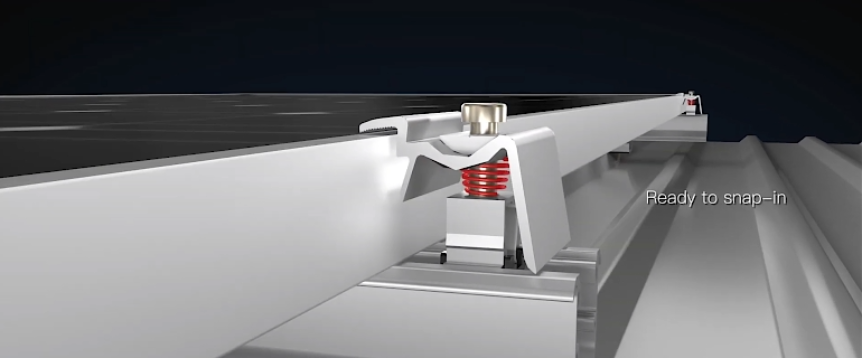
For solar panel mounting brackets roof applications, 6A22 aluminum alloy offers a material option that combines structural capability with reduced weight. Understanding why this alloy performs differently from conventional materials helps project developers and installers make better decisions when designing rooftop solar systems.
Every rooftop solar system transfers environmental forces through a network of mounting components. Rails distribute module loads, brackets connect the system to the roof, and fasteners maintain the stability of the entire assembly.
Wind creates one of the most demanding conditions for rooftop installations. Uplift forces can repeatedly affect mounting points, especially on high-rise buildings, open commercial rooftops, and locations exposed to strong seasonal winds.
Temperature variation also influences structural performance. Aluminum components expand and contract as temperatures change, requiring the material and system design to accommodate repeated movement without weakening connections.
For solar panel mounting brackets roof solutions, material selection is therefore closely related to long-term reliability. The right alloy can help reduce structural stress while maintaining efficient installation.
Aluminum alloys are commonly selected for solar mounting because they offer corrosion resistance and a favorable strength-to-weight ratio. However, different alloy compositions provide different levels of mechanical performance.
6A22 aluminum alloy was developed to improve the structural capability of solar mounting components. In T6 temper, it provides a tensile strength range of 300–335 MPa and a yield strength range of 285–310 MPa, offering higher mechanical performance compared with conventional 6005-T6 aluminum alloy.
This higher strength allows engineers to optimize component dimensions without relying only on additional material thickness. For rooftop systems, where reducing unnecessary weight is valuable, this balance between strength and efficiency can support more practical designs.
The advantage of 6A22 aluminum is not limited to a single component. Its performance contributes to the stability of the complete mounting structure, including rails, brackets, and connection assemblies.
Brackets serve as the connection between photovoltaic modules and the building structure. They must maintain their position while transferring loads caused by module weight, wind forces, and environmental changes.
When higher-strength aluminum is applied to these components, the structure can better resist deformation under repeated loading conditions. This helps maintain consistent module alignment and reduces the possibility of performance issues caused by mechanical movement.
Solar panel mounting brackets roof systems also need to remain reliable in different building environments. A commercial warehouse roof, residential structure, and industrial facility may have different load conditions and installation requirements.
Using materials with stronger mechanical properties gives engineers more flexibility when adapting mounting designs to various rooftop applications.
Rooftop solar projects often involve practical limitations that do not exist in open-field installations. Installers may need to work within restricted spaces, manage transportation challenges, and minimize additional loading on existing structures.
Aluminum’s lightweight characteristics help simplify handling during installation. However, lightweight construction must always be balanced with structural requirements.
The benefit of 6A22 aluminum comes from achieving both objectives: maintaining manageable component weight while improving load resistance. This allows mounting systems to support efficient installation processes without compromising long-term performance.
For rooftop project owners, this balance can influence construction efficiency and the overall reliability of the completed PV system.
Rooftop mounting components remain exposed to outdoor conditions throughout the operating life of a solar installation. Rain, humidity, airborne pollutants, and coastal environments can all accelerate material degradation if the structure is not properly designed.
Aluminum alloys naturally provide strong corrosion resistance, making them suitable for many outdoor solar applications. Combined with appropriate surface treatment and engineering design, aluminum components can maintain their performance over extended periods.
Material durability is especially important for rooftop projects because replacing mounting components after installation can be difficult and disruptive. Choosing suitable materials during the design stage helps reduce future maintenance concerns.
A high-performance alloy alone does not determine the success of a rooftop solar mounting system. Engineers must also consider roof conditions, attachment methods, load calculations, and installation requirements.
The interaction between materials and system design determines how effectively forces are distributed throughout the structure. Even strong materials require proper engineering to achieve their intended performance.
For solar panel mounting brackets roof projects, a complete solution requires attention to both component quality and overall system coordination.
The durability of rooftop solar mounting systems depends on how well materials respond to real operating conditions. Strength, weight, corrosion resistance, and structural compatibility all influence whether a system can maintain stable performance over many years.
Material innovation and engineering expertise are at the core of Antaisolar's rooftop mounting solutions, designed specifically to meet the practical demands of modern PV installations. Our adoption of 6A22 aluminum alloy exemplifies our ongoing commitment to enhancing structural performance and component reliability.
New technical opportunities are presented by advanced aluminium alloys like 6A22, which allow for mounting systems that are both stronger and more flexible to varied installation conditions. This is particularly relevant for rooftop solar projects, which are under increasing pressure for improved efficiency and reliability.
The material used for brackets, rails, and support components directly affects how a rooftop PV system performs over its service life. A lightweight material may simplify installation, but it must also provide sufficient strength to maintain secure module positioning for years.
For solar panel mounting brackets roof applications, 6A22 aluminum alloy offers a material option that combines structural capability with reduced weight. Understanding why this alloy performs differently from conventional materials helps project developers and installers make better decisions when designing rooftop solar systems.
Why Rooftop Solar Structures Require Advanced Materials
Every rooftop solar system transfers environmental forces through a network of mounting components. Rails distribute module loads, brackets connect the system to the roof, and fasteners maintain the stability of the entire assembly.
Wind creates one of the most demanding conditions for rooftop installations. Uplift forces can repeatedly affect mounting points, especially on high-rise buildings, open commercial rooftops, and locations exposed to strong seasonal winds.
Temperature variation also influences structural performance. Aluminum components expand and contract as temperatures change, requiring the material and system design to accommodate repeated movement without weakening connections.
For solar panel mounting brackets roof solutions, material selection is therefore closely related to long-term reliability. The right alloy can help reduce structural stress while maintaining efficient installation.
Understanding the Performance Benefits of 6A22 Aluminum
Aluminum alloys are commonly selected for solar mounting because they offer corrosion resistance and a favorable strength-to-weight ratio. However, different alloy compositions provide different levels of mechanical performance.
6A22 aluminum alloy was developed to improve the structural capability of solar mounting components. In T6 temper, it provides a tensile strength range of 300–335 MPa and a yield strength range of 285–310 MPa, offering higher mechanical performance compared with conventional 6005-T6 aluminum alloy.
This higher strength allows engineers to optimize component dimensions without relying only on additional material thickness. For rooftop systems, where reducing unnecessary weight is valuable, this balance between strength and efficiency can support more practical designs.
The advantage of 6A22 aluminum is not limited to a single component. Its performance contributes to the stability of the complete mounting structure, including rails, brackets, and connection assemblies.
How Stronger Aluminum Improves Rooftop Mounting Performance
Brackets serve as the connection between photovoltaic modules and the building structure. They must maintain their position while transferring loads caused by module weight, wind forces, and environmental changes.
When higher-strength aluminum is applied to these components, the structure can better resist deformation under repeated loading conditions. This helps maintain consistent module alignment and reduces the possibility of performance issues caused by mechanical movement.
Solar panel mounting brackets roof systems also need to remain reliable in different building environments. A commercial warehouse roof, residential structure, and industrial facility may have different load conditions and installation requirements.
Using materials with stronger mechanical properties gives engineers more flexibility when adapting mounting designs to various rooftop applications.
Reducing Installation Challenges Without Sacrificing Strength
Rooftop solar projects often involve practical limitations that do not exist in open-field installations. Installers may need to work within restricted spaces, manage transportation challenges, and minimize additional loading on existing structures.
Aluminum’s lightweight characteristics help simplify handling during installation. However, lightweight construction must always be balanced with structural requirements.
The benefit of 6A22 aluminum comes from achieving both objectives: maintaining manageable component weight while improving load resistance. This allows mounting systems to support efficient installation processes without compromising long-term performance.
For rooftop project owners, this balance can influence construction efficiency and the overall reliability of the completed PV system.
Corrosion Resistance and Long-Term Outdoor Exposure
Rooftop mounting components remain exposed to outdoor conditions throughout the operating life of a solar installation. Rain, humidity, airborne pollutants, and coastal environments can all accelerate material degradation if the structure is not properly designed.
Aluminum alloys naturally provide strong corrosion resistance, making them suitable for many outdoor solar applications. Combined with appropriate surface treatment and engineering design, aluminum components can maintain their performance over extended periods.
Material durability is especially important for rooftop projects because replacing mounting components after installation can be difficult and disruptive. Choosing suitable materials during the design stage helps reduce future maintenance concerns.
Material Selection Must Work Together With Structural Engineering
A high-performance alloy alone does not determine the success of a rooftop solar mounting system. Engineers must also consider roof conditions, attachment methods, load calculations, and installation requirements.
The interaction between materials and system design determines how effectively forces are distributed throughout the structure. Even strong materials require proper engineering to achieve their intended performance.
For solar panel mounting brackets roof projects, a complete solution requires attention to both component quality and overall system coordination.
Conclusion
The durability of rooftop solar mounting systems depends on how well materials respond to real operating conditions. Strength, weight, corrosion resistance, and structural compatibility all influence whether a system can maintain stable performance over many years.
Material innovation and engineering expertise are at the core of Antaisolar's rooftop mounting solutions, designed specifically to meet the practical demands of modern PV installations. Our adoption of 6A22 aluminum alloy exemplifies our ongoing commitment to enhancing structural performance and component reliability.
New technical opportunities are presented by advanced aluminium alloys like 6A22, which allow for mounting systems that are both stronger and more flexible to varied installation conditions. This is particularly relevant for rooftop solar projects, which are under increasing pressure for improved efficiency and reliability.
end