
How 6A22 Aluminum Alloy Technology Enhances Solar Roof Mounting Strength
June 05, 2026
Rooftop photovoltaic installations face continuous mechanical challenges from wind pressure, module weight, temperature changes, and long-term outdoor exposure. The mounting structure supporting solar modules must maintain strength while remaining lightweight enough for efficient installation.
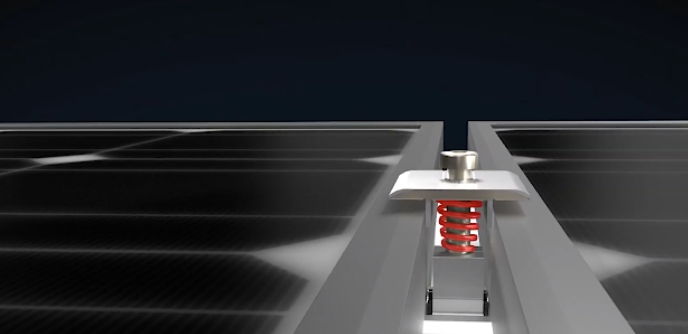
When we design rooftop mounting solutions, material selection becomes a fundamental engineering decision. Aluminum alloys are widely considered for solar structures because they combine corrosion resistance, low weight, and strong mechanical performance.
The development of 6A22 aluminum alloys provides an opportunity to improve the tensile performance of rooftop mounting components. By understanding how alloy properties influence structural behavior, we can create systems that better support reliable solar energy generation over extended operating periods.
Aluminum alloy selection directly affects the strength and durability of solar mounting structures. Different alloys provide different balances between weight, flexibility, corrosion resistance, and mechanical capacity.
6A22 aluminum alloys are engineered to provide improved mechanical characteristics compared with standard aluminum materials. Their composition allows structural components to achieve higher strength while maintaining the lightweight advantages that make aluminum suitable for rooftop applications.
Tensile strength is especially important because mounting components must resist forces that attempt to pull, stretch, or deform structural connections. During installation and operation, these forces can come from wind uplift, thermal expansion, and repeated environmental loading.
Using materials with suitable tensile performance helps maintain structural stability. This is why we evaluate alloy characteristics carefully when developing solar mounting components designed for long-term rooftop applications.
Solar panel roof brackets serve as critical connection points between photovoltaic modules and building structures. These components must transfer loads efficiently while maintaining secure attachment throughout the system’s service life.
The performance of solar panel roof brackets depends on several factors, including material strength, design geometry, fastening methods, and environmental resistance. A stronger aluminum alloy can help improve resistance against mechanical stress while reducing the possibility of deformation under demanding conditions.
Tensile limits are particularly important in areas exposed to strong winds or changing weather patterns. When brackets experience repeated loading cycles, insufficient material strength may lead to gradual weakening over time. Selecting appropriate aluminum alloys helps engineers create more dependable support structures.
Material optimization also contributes to easier installation. Lightweight components reduce handling difficulties on rooftops while still providing the strength required for secure module positioning.
The advantage of 6A22 aluminum alloys is not limited to tensile capacity alone. A successful solar mounting material must perform under multiple conditions throughout its expected lifespan.
Rooftop systems are exposed to moisture, sunlight, temperature fluctuations, and atmospheric pollutants. Aluminum naturally provides corrosion resistance through the formation of a protective oxide layer, helping components maintain their appearance and structural integrity.
Mechanical strength and corrosion resistance work together to improve system reliability. A component that performs well initially but deteriorates quickly in outdoor conditions may create maintenance challenges. Therefore, we consider both immediate load performance and long-term durability during structural design.
Another important consideration is the relationship between material properties and structural efficiency. Stronger alloys can allow engineers to optimize component dimensions while maintaining safety requirements. This balance supports efficient material usage without compromising reliability.
Material selection is only one part of creating an effective rooftop solar solution. Structural design, load distribution, and connection methods also influence overall performance.
Engineers analyze how forces move through the mounting system, from the solar module frame to rails, brackets, and roof attachment points. A properly designed structure ensures that loads are distributed evenly instead of concentrating stress in specific areas.
The integration of advanced aluminum materials with optimized engineering methods allows rooftop mounting systems to achieve better performance. We focus on creating solutions that consider installation conditions, roof characteristics, and project requirements.
Quality control and testing processes are also essential. Evaluating material performance and structural behavior helps identify potential improvements before systems are deployed in real-world projects.
Producing reliable aluminum mounting components requires careful control throughout the manufacturing process. Alloy quality, forming accuracy, surface treatment, and dimensional consistency all influence final product performance.
The manufacturing process must preserve the mechanical advantages of 6A22 aluminum alloys while ensuring that finished components meet design expectations. Even high-performance materials require precise processing to achieve consistent results.
For rooftop solar projects, dependable manufacturing helps reduce installation risks and supports long-term system operation. Components that maintain stable dimensions and strength contribute to safer and more efficient photovoltaic installations.
We also consider practical factors such as transportation, assembly, and maintenance. A well-designed component should not only perform structurally but also provide convenience throughout the project lifecycle.
As solar deployment continues expanding, mounting systems must meet increasingly demanding performance expectations. Developers and installers require structures that combine durability, efficiency, and adaptability.
Advanced aluminum alloys such as 6A22 represent one approach to improving structural capability while maintaining the lightweight advantages needed for rooftop projects. Continued innovation in materials and engineering methods will help create more reliable solar infrastructure.
The future of solar mounting depends on combining material science with practical engineering experience. By improving every component, from connection points to support structures, the industry can achieve stronger and more resilient photovoltaic systems.
The use of 6A22 aluminum alloys demonstrates how material innovation can improve the tensile performance and reliability of rooftop solar structures. Stronger materials, thoughtful engineering, and careful manufacturing together create mounting solutions capable of supporting long-term clean energy production.
To adapt to changing project requirements and enhance solar installation performance, we are still investigating cutting-edge methods. The renewable energy industry can rely on Antaisolar's engineering knowledge and dependable solutions to construct solar installations that are safer, more efficient, and last longer.
When we design rooftop mounting solutions, material selection becomes a fundamental engineering decision. Aluminum alloys are widely considered for solar structures because they combine corrosion resistance, low weight, and strong mechanical performance.
The development of 6A22 aluminum alloys provides an opportunity to improve the tensile performance of rooftop mounting components. By understanding how alloy properties influence structural behavior, we can create systems that better support reliable solar energy generation over extended operating periods.
Understanding the Mechanical Advantages of 6A22 Aluminum Alloys
Aluminum alloy selection directly affects the strength and durability of solar mounting structures. Different alloys provide different balances between weight, flexibility, corrosion resistance, and mechanical capacity.
6A22 aluminum alloys are engineered to provide improved mechanical characteristics compared with standard aluminum materials. Their composition allows structural components to achieve higher strength while maintaining the lightweight advantages that make aluminum suitable for rooftop applications.
Tensile strength is especially important because mounting components must resist forces that attempt to pull, stretch, or deform structural connections. During installation and operation, these forces can come from wind uplift, thermal expansion, and repeated environmental loading.
Using materials with suitable tensile performance helps maintain structural stability. This is why we evaluate alloy characteristics carefully when developing solar mounting components designed for long-term rooftop applications.
Solar Panel Roof Brackets and the Importance of Tensile Performance
Solar panel roof brackets serve as critical connection points between photovoltaic modules and building structures. These components must transfer loads efficiently while maintaining secure attachment throughout the system’s service life.
The performance of solar panel roof brackets depends on several factors, including material strength, design geometry, fastening methods, and environmental resistance. A stronger aluminum alloy can help improve resistance against mechanical stress while reducing the possibility of deformation under demanding conditions.
Tensile limits are particularly important in areas exposed to strong winds or changing weather patterns. When brackets experience repeated loading cycles, insufficient material strength may lead to gradual weakening over time. Selecting appropriate aluminum alloys helps engineers create more dependable support structures.
Material optimization also contributes to easier installation. Lightweight components reduce handling difficulties on rooftops while still providing the strength required for secure module positioning.
How Alloy Properties Support Long-Term Structural Performance
The advantage of 6A22 aluminum alloys is not limited to tensile capacity alone. A successful solar mounting material must perform under multiple conditions throughout its expected lifespan.
Rooftop systems are exposed to moisture, sunlight, temperature fluctuations, and atmospheric pollutants. Aluminum naturally provides corrosion resistance through the formation of a protective oxide layer, helping components maintain their appearance and structural integrity.
Mechanical strength and corrosion resistance work together to improve system reliability. A component that performs well initially but deteriorates quickly in outdoor conditions may create maintenance challenges. Therefore, we consider both immediate load performance and long-term durability during structural design.
Another important consideration is the relationship between material properties and structural efficiency. Stronger alloys can allow engineers to optimize component dimensions while maintaining safety requirements. This balance supports efficient material usage without compromising reliability.
Designing Roof Mounting Systems Through Structural Optimization
Material selection is only one part of creating an effective rooftop solar solution. Structural design, load distribution, and connection methods also influence overall performance.
Engineers analyze how forces move through the mounting system, from the solar module frame to rails, brackets, and roof attachment points. A properly designed structure ensures that loads are distributed evenly instead of concentrating stress in specific areas.
The integration of advanced aluminum materials with optimized engineering methods allows rooftop mounting systems to achieve better performance. We focus on creating solutions that consider installation conditions, roof characteristics, and project requirements.
Quality control and testing processes are also essential. Evaluating material performance and structural behavior helps identify potential improvements before systems are deployed in real-world projects.
Manufacturing Considerations for Durable Solar Mounting Components
Producing reliable aluminum mounting components requires careful control throughout the manufacturing process. Alloy quality, forming accuracy, surface treatment, and dimensional consistency all influence final product performance.
The manufacturing process must preserve the mechanical advantages of 6A22 aluminum alloys while ensuring that finished components meet design expectations. Even high-performance materials require precise processing to achieve consistent results.
For rooftop solar projects, dependable manufacturing helps reduce installation risks and supports long-term system operation. Components that maintain stable dimensions and strength contribute to safer and more efficient photovoltaic installations.
We also consider practical factors such as transportation, assembly, and maintenance. A well-designed component should not only perform structurally but also provide convenience throughout the project lifecycle.
The Future of High-Strength Aluminum in Solar Mounting Applications
As solar deployment continues expanding, mounting systems must meet increasingly demanding performance expectations. Developers and installers require structures that combine durability, efficiency, and adaptability.
Advanced aluminum alloys such as 6A22 represent one approach to improving structural capability while maintaining the lightweight advantages needed for rooftop projects. Continued innovation in materials and engineering methods will help create more reliable solar infrastructure.
The future of solar mounting depends on combining material science with practical engineering experience. By improving every component, from connection points to support structures, the industry can achieve stronger and more resilient photovoltaic systems.
Advancing Rooftop Solar Through Better Material Choices
The use of 6A22 aluminum alloys demonstrates how material innovation can improve the tensile performance and reliability of rooftop solar structures. Stronger materials, thoughtful engineering, and careful manufacturing together create mounting solutions capable of supporting long-term clean energy production.
To adapt to changing project requirements and enhance solar installation performance, we are still investigating cutting-edge methods. The renewable energy industry can rely on Antaisolar's engineering knowledge and dependable solutions to construct solar installations that are safer, more efficient, and last longer.
end