
How Accelerated Testing Helps Solar Tracker Manufacturers Ensure Long-Term Bearing Reliability
June 04, 2026
Introduction: Why Bearing Durability Matters in Solar Tracking Designs
Utility-scale photovoltaic projects operate for decades, making mechanical reliability a critical factor in energy production. Inside every moving array, bearings support rotational motion, manage loads, and help maintain accurate positioning under changing environmental conditions. A failure in these components can affect tracking accuracy, increase maintenance requirements, and reduce the expected return of a project.
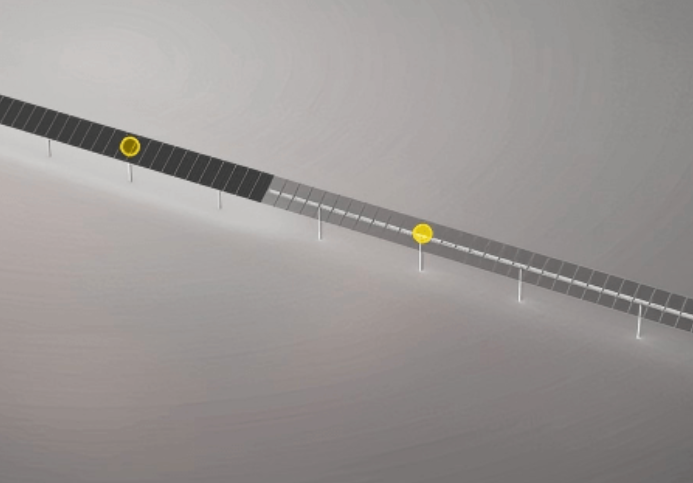
When we design and evaluate a solar tracking system, bearing performance is one of the key areas requiring detailed validation. Laboratory testing allows engineers to simulate years of movement, environmental stress, and operational conditions within a shorter development cycle. These accelerated mechanical life tests help confirm whether bearing designs can meet the demanding requirements of large-scale solar installations.
Bearings used in solar trackers experience a combination of forces rather than simple rotation. They must handle static loads from module weight, dynamic forces caused by wind events, and repeated movement throughout daily tracking cycles. Over time, these stresses can contribute to material fatigue, surface wear, lubrication degradation, or changes in mechanical clearance.
A reliable solar tracking system requires components that continue operating smoothly after thousands of cycles. Engineers cannot rely only on initial performance measurements because early-stage operation does not always reveal long-term weaknesses. Instead, accelerated testing creates controlled conditions that expose potential problems before products reach actual project sites.
Environmental factors also influence bearing life. Dust, humidity, temperature changes, and corrosion risks can affect moving components. For this reason, bearing validation often combines mechanical cycling with environmental simulations to better represent the challenges found in different installation regions.
Accelerated Mechanical Life Tests Simulate Years of Operation
Accelerated mechanical life testing is designed to reproduce long-term operating conditions within a controlled laboratory environment. Engineers increase the number of movement cycles and apply representative loads to evaluate how bearings respond over time.
During testing, manufacturers typically monitor important indicators such as rotational resistance, vibration behavior, temperature changes, and structural deformation. These measurements provide information about whether a bearing maintains stable performance or begins showing early signs of wear.
The purpose is not simply to make components move repeatedly. A meaningful test must replicate actual field conditions, including loading direction, movement frequency, and operational patterns. By analyzing test results, engineers can improve materials, sealing structures, lubrication methods, and mechanical integration.
For tracker structures, this process is especially important because moving components directly influence the overall reliability of the array. A well-tested bearing design supports consistent positioning accuracy and helps reduce unexpected maintenance activities throughout the project lifecycle.
Several evaluation methods are commonly applied during mechanical life testing. One approach is cycle testing, where bearings repeatedly perform the same rotational movement thousands or millions of times. This helps engineers understand wear progression under continuous operation.
Load testing is another important method. Solar tracker bearings must support forces created by the photovoltaic modules and structural framework. Engineers apply controlled loads to verify that bearing components maintain their mechanical strength without excessive deformation.
Wear analysis provides additional insight after testing. Engineers may inspect contact surfaces, measure dimensional changes, and evaluate material conditions. These observations help determine whether wear remains within acceptable limits or whether design improvements are necessary.
Some advanced testing programs also include environmental stress simulation. By combining mechanical movement with temperature variation, moisture exposure, and contamination conditions, manufacturers can better estimate how components will perform in challenging climates.
Bearing durability depends not only on the bearing itself but also on the complete tracker structure. Proper load distribution, accurate alignment, and optimized mechanical connections all contribute to reducing unnecessary stress.
A carefully engineered solar tracking system integrates bearings with other critical components, including torque tubes, drive mechanisms, and support structures. When these elements work together efficiently, loads are distributed more evenly, helping minimize localized pressure on moving parts.
Modern tracker designs also focus on reducing maintenance requirements through improved component protection. Sealed structures and self-lubricating bearing solutions can help maintain performance while reducing the need for frequent servicing. Antaisolar’s tracker solutions incorporate features such as sealed components and self-lubricating bearings to support long-term reliability in demanding solar environments.
Accelerated testing provides valuable feedback throughout the product development process. Engineers can compare different materials, identify weak points, and optimize designs before large-scale production begins.
The data collected from these tests also supports more accurate reliability predictions. Instead of estimating performance based only on theoretical calculations, manufacturers can use real mechanical results to improve confidence in long-term operation.
For project developers, this validation process provides greater assurance that tracker components can withstand years of outdoor exposure. Reliable mechanical performance helps protect energy generation, reduce downtime risks, and improve the overall economics of solar projects.
Testing is therefore not just a quality control step. It is an essential part of engineering a durable renewable energy solution that can perform consistently throughout its expected service life.
Bearing wear validation through accelerated mechanical life tests represents an important step in creating dependable solar infrastructure. By studying how components respond to repeated movement, structural loads, and environmental challenges, engineers can develop trackers that deliver stable performance over many years.
Advancing solar technology requires rigorous testing, engineering optimization, and constant improvement—values Antaisolar upholds with reliable PV mounting solutions that support a durable, efficient clean energy future worldwide.
Utility-scale photovoltaic projects operate for decades, making mechanical reliability a critical factor in energy production. Inside every moving array, bearings support rotational motion, manage loads, and help maintain accurate positioning under changing environmental conditions. A failure in these components can affect tracking accuracy, increase maintenance requirements, and reduce the expected return of a project.
When we design and evaluate a solar tracking system, bearing performance is one of the key areas requiring detailed validation. Laboratory testing allows engineers to simulate years of movement, environmental stress, and operational conditions within a shorter development cycle. These accelerated mechanical life tests help confirm whether bearing designs can meet the demanding requirements of large-scale solar installations.
Solar Tracking System Bearing Challenges Under Real Operating Conditions
Bearings used in solar trackers experience a combination of forces rather than simple rotation. They must handle static loads from module weight, dynamic forces caused by wind events, and repeated movement throughout daily tracking cycles. Over time, these stresses can contribute to material fatigue, surface wear, lubrication degradation, or changes in mechanical clearance.
A reliable solar tracking system requires components that continue operating smoothly after thousands of cycles. Engineers cannot rely only on initial performance measurements because early-stage operation does not always reveal long-term weaknesses. Instead, accelerated testing creates controlled conditions that expose potential problems before products reach actual project sites.
Environmental factors also influence bearing life. Dust, humidity, temperature changes, and corrosion risks can affect moving components. For this reason, bearing validation often combines mechanical cycling with environmental simulations to better represent the challenges found in different installation regions.
Accelerated Mechanical Life Tests Simulate Years of Operation
Accelerated mechanical life testing is designed to reproduce long-term operating conditions within a controlled laboratory environment. Engineers increase the number of movement cycles and apply representative loads to evaluate how bearings respond over time.
During testing, manufacturers typically monitor important indicators such as rotational resistance, vibration behavior, temperature changes, and structural deformation. These measurements provide information about whether a bearing maintains stable performance or begins showing early signs of wear.
The purpose is not simply to make components move repeatedly. A meaningful test must replicate actual field conditions, including loading direction, movement frequency, and operational patterns. By analyzing test results, engineers can improve materials, sealing structures, lubrication methods, and mechanical integration.
For tracker structures, this process is especially important because moving components directly influence the overall reliability of the array. A well-tested bearing design supports consistent positioning accuracy and helps reduce unexpected maintenance activities throughout the project lifecycle.
Testing Methods Used to Evaluate Bearing Wear
Several evaluation methods are commonly applied during mechanical life testing. One approach is cycle testing, where bearings repeatedly perform the same rotational movement thousands or millions of times. This helps engineers understand wear progression under continuous operation.
Load testing is another important method. Solar tracker bearings must support forces created by the photovoltaic modules and structural framework. Engineers apply controlled loads to verify that bearing components maintain their mechanical strength without excessive deformation.
Wear analysis provides additional insight after testing. Engineers may inspect contact surfaces, measure dimensional changes, and evaluate material conditions. These observations help determine whether wear remains within acceptable limits or whether design improvements are necessary.
Some advanced testing programs also include environmental stress simulation. By combining mechanical movement with temperature variation, moisture exposure, and contamination conditions, manufacturers can better estimate how components will perform in challenging climates.
How Structural Engineering Improves Bearing Service Life
Bearing durability depends not only on the bearing itself but also on the complete tracker structure. Proper load distribution, accurate alignment, and optimized mechanical connections all contribute to reducing unnecessary stress.
A carefully engineered solar tracking system integrates bearings with other critical components, including torque tubes, drive mechanisms, and support structures. When these elements work together efficiently, loads are distributed more evenly, helping minimize localized pressure on moving parts.
Modern tracker designs also focus on reducing maintenance requirements through improved component protection. Sealed structures and self-lubricating bearing solutions can help maintain performance while reducing the need for frequent servicing. Antaisolar’s tracker solutions incorporate features such as sealed components and self-lubricating bearings to support long-term reliability in demanding solar environments.
Using Test Data to Improve Future Solar Tracker Development
Accelerated testing provides valuable feedback throughout the product development process. Engineers can compare different materials, identify weak points, and optimize designs before large-scale production begins.
The data collected from these tests also supports more accurate reliability predictions. Instead of estimating performance based only on theoretical calculations, manufacturers can use real mechanical results to improve confidence in long-term operation.
For project developers, this validation process provides greater assurance that tracker components can withstand years of outdoor exposure. Reliable mechanical performance helps protect energy generation, reduce downtime risks, and improve the overall economics of solar projects.
Testing is therefore not just a quality control step. It is an essential part of engineering a durable renewable energy solution that can perform consistently throughout its expected service life.
Conclusion
Bearing wear validation through accelerated mechanical life tests represents an important step in creating dependable solar infrastructure. By studying how components respond to repeated movement, structural loads, and environmental challenges, engineers can develop trackers that deliver stable performance over many years.
Advancing solar technology requires rigorous testing, engineering optimization, and constant improvement—values Antaisolar upholds with reliable PV mounting solutions that support a durable, efficient clean energy future worldwide.
end