
How EPDM Rubber Isolation Pads Support Long-Term Performance in Solar Mounting Systems
August 25, 2026
Long-term reliability is one of the most important considerations for rooftop solar projects, especially when systems are installed on exposed surfaces such as metal roof solar mounts. Solar mounting components must withstand continuous environmental stress, including ultraviolet (UV) radiation, temperature fluctuations, moisture, and mechanical loads. EPDM rubber isolation pads have become a valuable component in many rooftop mounting designs because of their ability to maintain elasticity and protect roof surfaces over extended service periods.
Elasticity allows EPDM rubber isolation pads to absorb mechanical stress and maintain stable contact between mounting components and roofing materials. This flexibility helps reduce pressure concentration points and minimizes the impact of movement caused by thermal expansion or external forces.
For commercial and industrial solar projects, maintaining this performance over decades is essential. A mounting system designed for long-term operation requires every component, including small isolation elements, to provide consistent protection throughout the project lifecycle.
EPDM, or ethylene propylene diene monomer rubber, is widely recognized for its excellent weather resistance. Its molecular structure provides strong resistance against ozone, UV radiation, and atmospheric aging compared with many traditional rubber materials.
However, the long-term performance of EPDM depends on proper formulation, manufacturing quality, and application design. High-quality EPDM components can maintain their mechanical properties even after years of outdoor exposure, making them suitable for demanding solar installation environments.
Temperature resistance is another advantage. Rooftop solar systems can experience significant temperature changes between day and night and across different seasons. EPDM maintains flexibility across a wide temperature range, helping prevent brittleness and deformation.
Resistance to moisture and chemicals also supports long-term reliability. Metal roof environments may experience rain, humidity, and pollutants that can accelerate material deterioration. EPDM’s resistance to these conditions helps maintain stable performance and extends component service life.
For metal roof applications, this protection is particularly valuable. Metal sheets can experience movement caused by temperature changes, and direct contact between different materials may create wear over time. Proper isolation helps preserve roof integrity while supporting secure solar panel installation.
When evaluating metal roof solar mounts, project developers should consider not only the primary mounting structure but also supporting components that influence long-term durability. Small elements such as rubber isolation pads can contribute significantly to system reliability and maintenance performance.
Professional mounting solutions are designed with lifecycle performance in mind. Components must be selected according to environmental conditions, roof type, and project requirements. This approach helps reduce maintenance needs and supports stable solar generation throughout the system’s operating period.
For commercial solar developers and EPC companies, choosing reliable mounting technologies can reduce operational risks and improve return on investment. Durable materials and thoughtful engineering provide confidence that rooftop solar installations can continue performing effectively for decades.
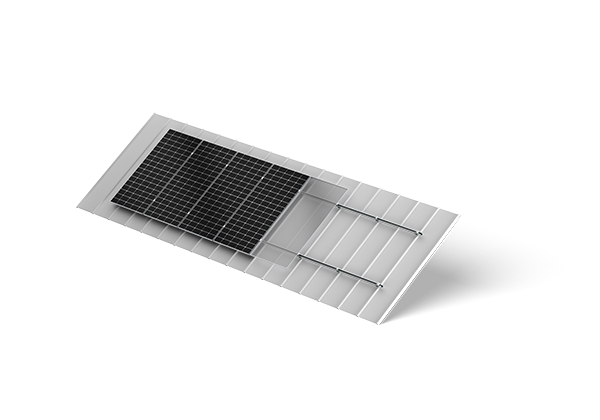
Our metal roof solar mounting systems are designed to meet the diverse requirements of modern rooftop solar projects. As part of our Metal Roof Solutions, these systems are compatible with various metal sheet roofs, including Kliplok, trapezoidal, and standing seam profiles, providing suitable options for different roof structures.
Our Base & Rail System is designed for various metal roof profiles and is suitable for many metal roof applications. Made from AL6006-T6 aluminum alloy, the system provides superior corrosion resistance and long-term durability. Pre-assembled parts help simplify installation and reduce labor costs while supporting efficient project deployment.
By combining durable materials, practical design, and installation-friendly features, our metal roof solar mounting systems help customers achieve reliable rooftop solar performance with reduced maintenance requirements. Through continuous innovation, we aim to deliver mounting solutions that support sustainable energy development for decades.
Why Elasticity Matters in Solar Mounting Applications
Solar mounting systems are exposed to changing weather conditions throughout their operational lifespan. Daily temperature variations cause materials to expand and contract, while wind forces create additional mechanical stress on mounting structures. Without effective isolation components, these repeated movements can contribute to wear, vibration, and potential damage to roof surfaces.Elasticity allows EPDM rubber isolation pads to absorb mechanical stress and maintain stable contact between mounting components and roofing materials. This flexibility helps reduce pressure concentration points and minimizes the impact of movement caused by thermal expansion or external forces.
For commercial and industrial solar projects, maintaining this performance over decades is essential. A mounting system designed for long-term operation requires every component, including small isolation elements, to provide consistent protection throughout the project lifecycle.
How UV Exposure Affects Rubber Materials
Ultraviolet radiation is one of the primary environmental factors that can degrade rubber materials. Continuous exposure to sunlight can cause oxidation, surface cracking, hardening, and loss of flexibility in materials that are not designed for outdoor applications.EPDM, or ethylene propylene diene monomer rubber, is widely recognized for its excellent weather resistance. Its molecular structure provides strong resistance against ozone, UV radiation, and atmospheric aging compared with many traditional rubber materials.
However, the long-term performance of EPDM depends on proper formulation, manufacturing quality, and application design. High-quality EPDM components can maintain their mechanical properties even after years of outdoor exposure, making them suitable for demanding solar installation environments.
Factors That Help EPDM Rubber Maintain Long-Term Performance
Several factors contribute to the durability of EPDM rubber isolation pads in solar mounting applications. Material formulation is one of the most important elements. Proper additives and protective compounds help reduce the effects of UV degradation and environmental aging.Temperature resistance is another advantage. Rooftop solar systems can experience significant temperature changes between day and night and across different seasons. EPDM maintains flexibility across a wide temperature range, helping prevent brittleness and deformation.
Resistance to moisture and chemicals also supports long-term reliability. Metal roof environments may experience rain, humidity, and pollutants that can accelerate material deterioration. EPDM’s resistance to these conditions helps maintain stable performance and extends component service life.
The Role of Isolation Pads in Metal Roof Solar Installations
Isolation pads serve an important function in rooftop solar mounting systems by creating a protective interface between mounting components and the roof surface. They help reduce direct contact, minimize friction, and provide additional cushioning against mechanical stress.For metal roof applications, this protection is particularly valuable. Metal sheets can experience movement caused by temperature changes, and direct contact between different materials may create wear over time. Proper isolation helps preserve roof integrity while supporting secure solar panel installation.
When evaluating metal roof solar mounts, project developers should consider not only the primary mounting structure but also supporting components that influence long-term durability. Small elements such as rubber isolation pads can contribute significantly to system reliability and maintenance performance.
Designing Solar Mounting Systems for 25-Year Performance
A successful rooftop solar project requires every component to work together as a complete system. Structural strength, corrosion resistance, installation efficiency, and material durability all affect long-term project value.Professional mounting solutions are designed with lifecycle performance in mind. Components must be selected according to environmental conditions, roof type, and project requirements. This approach helps reduce maintenance needs and supports stable solar generation throughout the system’s operating period.
For commercial solar developers and EPC companies, choosing reliable mounting technologies can reduce operational risks and improve return on investment. Durable materials and thoughtful engineering provide confidence that rooftop solar installations can continue performing effectively for decades.
How Antaisolar's Metal Roof Solar Mounting Systems Support Reliable Rooftop Projects
For metal roof applications, Antaisolar provides mounting solutions designed for different roof profiles and installation requirements, including Base & Rail and Mini Rail systems.Our metal roof solar mounting systems are designed to meet the diverse requirements of modern rooftop solar projects. As part of our Metal Roof Solutions, these systems are compatible with various metal sheet roofs, including Kliplok, trapezoidal, and standing seam profiles, providing suitable options for different roof structures.
Our Base & Rail System is designed for various metal roof profiles and is suitable for many metal roof applications. Made from AL6006-T6 aluminum alloy, the system provides superior corrosion resistance and long-term durability. Pre-assembled parts help simplify installation and reduce labor costs while supporting efficient project deployment.
By combining durable materials, practical design, and installation-friendly features, our metal roof solar mounting systems help customers achieve reliable rooftop solar performance with reduced maintenance requirements. Through continuous innovation, we aim to deliver mounting solutions that support sustainable energy development for decades.
end