
How Solar Racking Manufacturers Define Module Clamp Torque Control Standards for Reliable Installations
June 02, 2026
Module fastening quality plays a critical role in the long-term performance of photovoltaic projects. While solar modules receive most attention for energy output, the reliability of the connections holding them in place directly affects structural safety and operational stability.
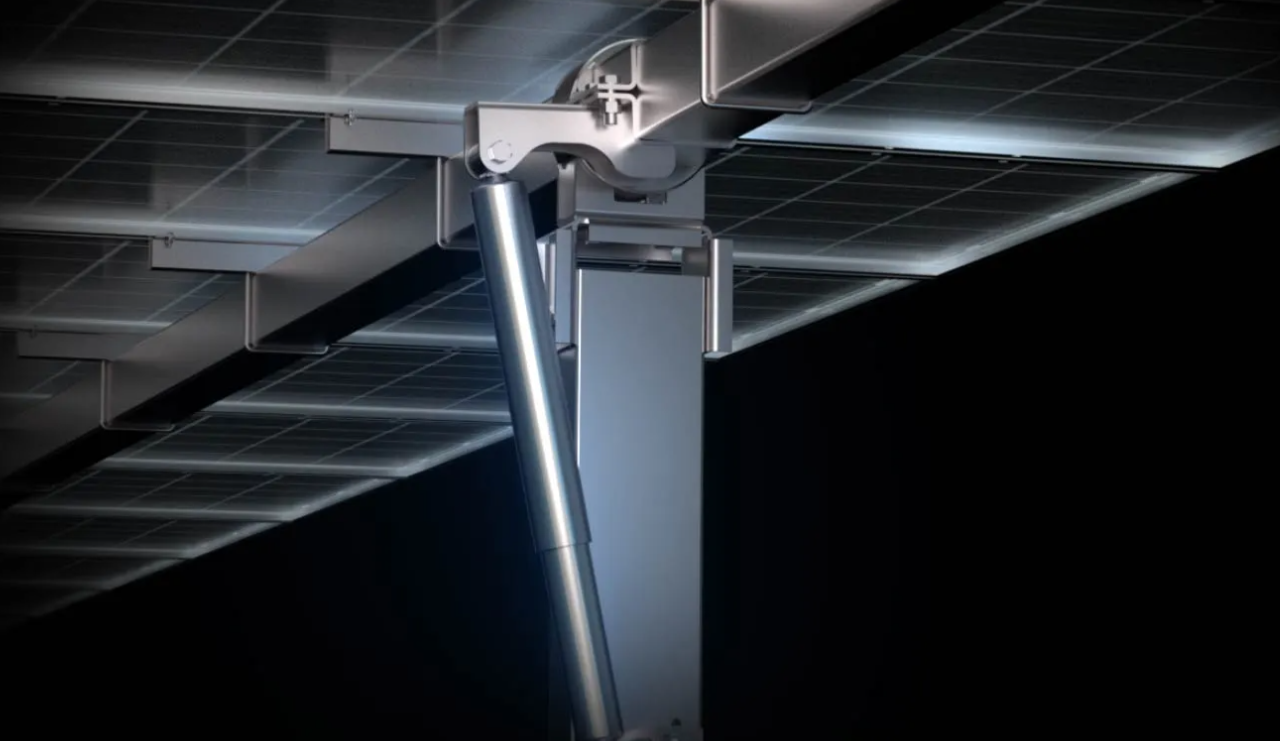
Module clamps are small components with significant responsibility. Their performance depends not only on material strength and design but also on proper installation torque. Excessive tightening may damage module frames, while insufficient force can reduce connection stability under wind, vibration, and environmental stress.
Installation accuracy is critical to the long-term performance of any solar system. Antaisolar develops mounting solutions that support reliable practices, and emphasizes the importance of understanding torque tolerance frameworks—so that project teams can apply the right force at the right connection points.
The module clamp establishes the mechanical connection between the solar panel frame and the supporting rails. The applied torque determines the clamp's ability to maintain effective pressure without inducing unnecessary stress.
A correctly tightened clamp provides sufficient holding force while accommodating external influences such as wind uplift, thermal expansion, and daily temperature variations. Inadequate torque management may produce latent issues that affect system durability over the long term.
Engineers consider multiple factors when defining torque requirements, including clamp geometry, material properties, module specifications, and environmental conditions. These considerations help establish suitable tolerance ranges for different installation scenarios.
A properly engineered pv mounting structure requires precise coordination between components. Module clamps, rails, fasteners, and support elements must work together as one integrated system rather than functioning as separate parts.
Torque tolerance frameworks provide installation teams with clear guidance on how much tightening force should be applied during assembly. These guidelines help maintain consistent quality across large-scale projects where thousands of clamps may require installation.
Manufacturers usually evaluate clamp performance through engineering analysis and product testing. The goal is to identify a practical torque range that balances secure fastening with protection against component damage.
A reliable pv mounting structure depends on consistent installation methods. Standardized torque procedures reduce variation between workers and improve overall construction quality.
Several technical factors affect how manufacturers determine acceptable torque levels. One important factor is the interaction between clamp materials and solar module frames.
Different module designs may have varying frame thicknesses and mechanical characteristics. Clamp pressure must be carefully controlled to avoid deformation while maintaining enough force for structural stability.
Fastener design also influences torque performance. Thread characteristics, bolt materials, and surface treatments can affect how applied torque translates into actual clamping force.
Environmental conditions are another consideration. Solar installations exposed to strong winds, temperature fluctuations, or challenging climates may require additional evaluation to ensure fastening reliability throughout the system lifespan.
Solar racking manufacturers use testing procedures to verify whether module clamps perform effectively within specified torque ranges. These evaluations help determine whether connections can maintain stability under expected operating conditions.
Testing may include mechanical load assessments, durability evaluations, and compatibility checks with different module types. The results provide important information for refining product designs and installation recommendations.
Simulation methods can also support engineering decisions. By analyzing stress distribution and connection behavior, manufacturers can identify potential weaknesses before products reach project sites.
Antaisolar applies engineering-focused approaches when developing mounting solutions, considering structural reliability and installation requirements for different photovoltaic applications.
Even a well-designed clamp system depends on correct installation methods. Construction teams need suitable tools and clear procedures to achieve consistent tightening results.
Torque-controlled tools help installers apply the recommended force more accurately. Manual tightening without measurement may create significant differences between individual connections, especially on large projects.
Training is another important element. Installation personnel should understand the purpose of torque requirements rather than viewing them as simple assembly instructions.
Clear documentation from manufacturers also supports better project execution. Installation guides, technical drawings, and fastening recommendations help teams maintain quality throughout the construction process.
Developing a torque framework requires cooperation between engineering teams, manufacturing specialists, and field application experts. Manufacturers must consider both laboratory performance and real-world installation conditions.
A practical framework should be easy to follow while providing sufficient accuracy for professional solar projects. Overly complicated procedures may increase installation difficulty, while insufficient guidance may create inconsistent results.
Long-term reliability depends on finding the right balance between structural security and installation efficiency. Effective torque standards allow construction teams to work confidently while maintaining system performance.
Project developers evaluating suppliers should consider more than product appearance or initial cost. Quality management processes, engineering support, and installation guidance are important indicators of a manufacturer’s overall capability.
Experienced suppliers understand that every connection contributes to the performance of the complete solar array. Their approach includes careful product development, testing procedures, and technical support throughout project implementation.
Working with a manufacturer that values precision helps reduce installation risks and supports better outcomes for commercial and utility-scale solar projects.
Module clamp torque tolerance frameworks are an essential part of modern solar mounting engineering. They help ensure that fastening connections provide reliable support while protecting modules from unnecessary stress.
A high-quality pv mounting structure requires accurate design, suitable components, and disciplined installation practices. Torque control serves as a bridge between engineering concepts and real-world construction performance.
Structural reliability, practical installation methods, and a focus on long-term renewable energy development are central to Antaisolar's ongoing support for solar projects. Careful attention to connection quality will continue to be a key factor in building safer, more durable photovoltaic systems worldwide.
Module clamps are small components with significant responsibility. Their performance depends not only on material strength and design but also on proper installation torque. Excessive tightening may damage module frames, while insufficient force can reduce connection stability under wind, vibration, and environmental stress.
Installation accuracy is critical to the long-term performance of any solar system. Antaisolar develops mounting solutions that support reliable practices, and emphasizes the importance of understanding torque tolerance frameworks—so that project teams can apply the right force at the right connection points.
Why Module Clamp Torque Control Matters in Solar Projects
The module clamp establishes the mechanical connection between the solar panel frame and the supporting rails. The applied torque determines the clamp's ability to maintain effective pressure without inducing unnecessary stress.
A correctly tightened clamp provides sufficient holding force while accommodating external influences such as wind uplift, thermal expansion, and daily temperature variations. Inadequate torque management may produce latent issues that affect system durability over the long term.
Engineers consider multiple factors when defining torque requirements, including clamp geometry, material properties, module specifications, and environmental conditions. These considerations help establish suitable tolerance ranges for different installation scenarios.
Torque Requirements in a PV Mounting Structure
A properly engineered pv mounting structure requires precise coordination between components. Module clamps, rails, fasteners, and support elements must work together as one integrated system rather than functioning as separate parts.
Torque tolerance frameworks provide installation teams with clear guidance on how much tightening force should be applied during assembly. These guidelines help maintain consistent quality across large-scale projects where thousands of clamps may require installation.
Manufacturers usually evaluate clamp performance through engineering analysis and product testing. The goal is to identify a practical torque range that balances secure fastening with protection against component damage.
A reliable pv mounting structure depends on consistent installation methods. Standardized torque procedures reduce variation between workers and improve overall construction quality.
Factors Influencing Module Clamp Torque Tolerance
Several technical factors affect how manufacturers determine acceptable torque levels. One important factor is the interaction between clamp materials and solar module frames.
Different module designs may have varying frame thicknesses and mechanical characteristics. Clamp pressure must be carefully controlled to avoid deformation while maintaining enough force for structural stability.
Fastener design also influences torque performance. Thread characteristics, bolt materials, and surface treatments can affect how applied torque translates into actual clamping force.
Environmental conditions are another consideration. Solar installations exposed to strong winds, temperature fluctuations, or challenging climates may require additional evaluation to ensure fastening reliability throughout the system lifespan.
Testing and Validation of Clamping Performance
Solar racking manufacturers use testing procedures to verify whether module clamps perform effectively within specified torque ranges. These evaluations help determine whether connections can maintain stability under expected operating conditions.
Testing may include mechanical load assessments, durability evaluations, and compatibility checks with different module types. The results provide important information for refining product designs and installation recommendations.
Simulation methods can also support engineering decisions. By analyzing stress distribution and connection behavior, manufacturers can identify potential weaknesses before products reach project sites.
Antaisolar applies engineering-focused approaches when developing mounting solutions, considering structural reliability and installation requirements for different photovoltaic applications.
Installation Practices That Improve Torque Accuracy
Even a well-designed clamp system depends on correct installation methods. Construction teams need suitable tools and clear procedures to achieve consistent tightening results.
Torque-controlled tools help installers apply the recommended force more accurately. Manual tightening without measurement may create significant differences between individual connections, especially on large projects.
Training is another important element. Installation personnel should understand the purpose of torque requirements rather than viewing them as simple assembly instructions.
Clear documentation from manufacturers also supports better project execution. Installation guides, technical drawings, and fastening recommendations help teams maintain quality throughout the construction process.
How Manufacturers Establish Reliable Torque Frameworks
Developing a torque framework requires cooperation between engineering teams, manufacturing specialists, and field application experts. Manufacturers must consider both laboratory performance and real-world installation conditions.
A practical framework should be easy to follow while providing sufficient accuracy for professional solar projects. Overly complicated procedures may increase installation difficulty, while insufficient guidance may create inconsistent results.
Long-term reliability depends on finding the right balance between structural security and installation efficiency. Effective torque standards allow construction teams to work confidently while maintaining system performance.
Selecting Manufacturers with Strong Quality Management
Project developers evaluating suppliers should consider more than product appearance or initial cost. Quality management processes, engineering support, and installation guidance are important indicators of a manufacturer’s overall capability.
Experienced suppliers understand that every connection contributes to the performance of the complete solar array. Their approach includes careful product development, testing procedures, and technical support throughout project implementation.
Working with a manufacturer that values precision helps reduce installation risks and supports better outcomes for commercial and utility-scale solar projects.
Conclusion
Module clamp torque tolerance frameworks are an essential part of modern solar mounting engineering. They help ensure that fastening connections provide reliable support while protecting modules from unnecessary stress.
A high-quality pv mounting structure requires accurate design, suitable components, and disciplined installation practices. Torque control serves as a bridge between engineering concepts and real-world construction performance.
Structural reliability, practical installation methods, and a focus on long-term renewable energy development are central to Antaisolar's ongoing support for solar projects. Careful attention to connection quality will continue to be a key factor in building safer, more durable photovoltaic systems worldwide.
end