
How Specialized Tile Hooks Fit Spanish and Barrel Tile Roofs
August 30, 2026
Tile roofs are widely used in residential and commercial buildings across many regions, especially in areas where traditional architectural styles remain popular. However, installing photovoltaic systems on tile roofs requires more than standard mounting hardware. Different tile shapes, materials, and roof structures create unique installation challenges that demand flexible and reliable solutions. For solar professionals, selecting suitable solar panel brackets for tile roof applications is essential to achieving secure installation, long-term durability, and optimal solar performance.
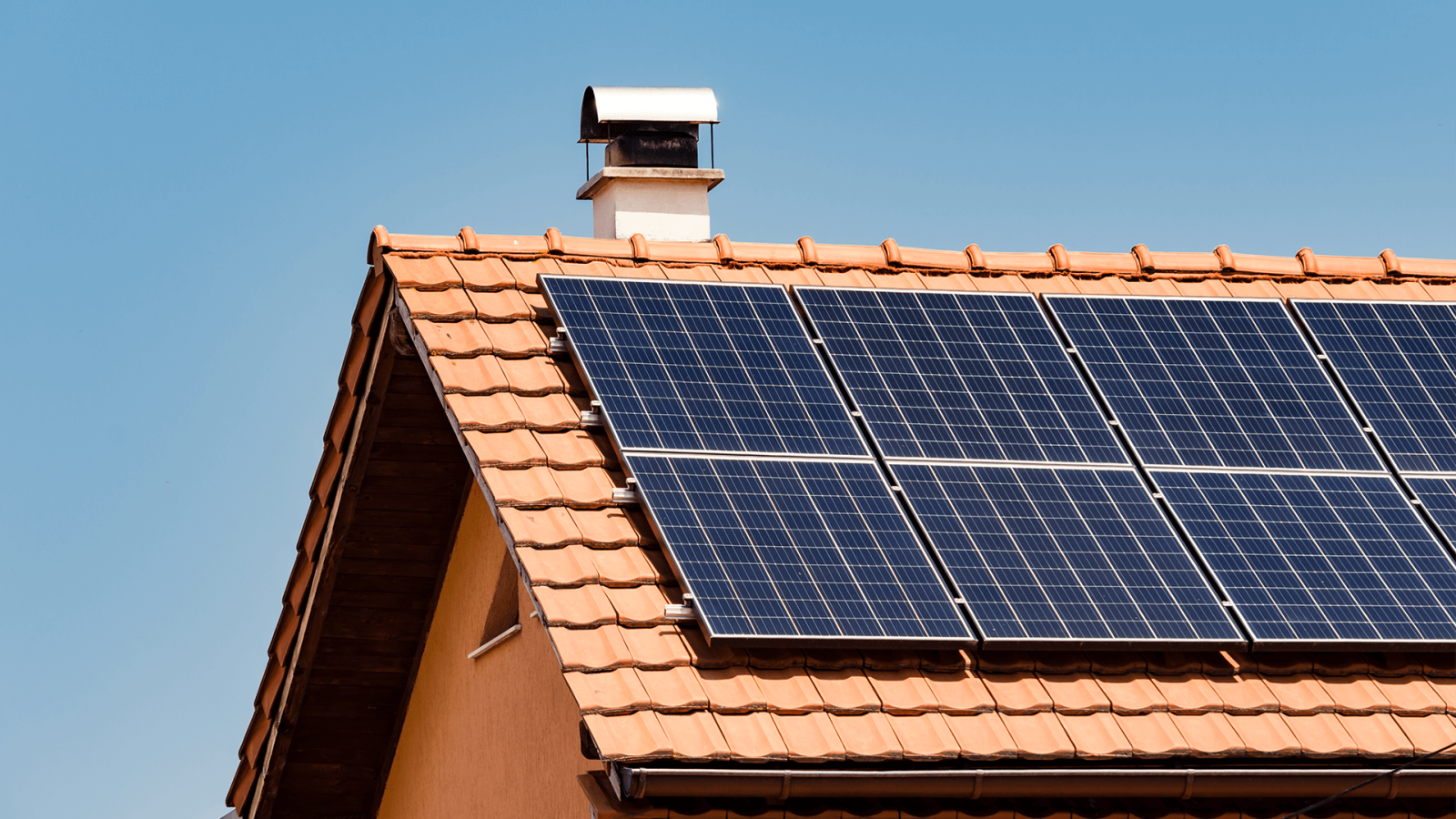
Tile roofs are available in various designs, including Spanish tiles, barrel tiles, clay tiles, concrete tiles, and slate tiles. Each type has different profiles, thicknesses, and structural characteristics, which can affect how solar mounting components connect with the roof surface.
Traditional mounting methods may not provide sufficient adaptability for these diverse roof structures. Improperly selected brackets can create installation difficulties, increase labor requirements, or affect the long-term stability of solar panels. Therefore, specialized mounting components are needed to provide secure attachment while protecting the original roof structure.
For installers and project developers, flexible solar panel brackets for tile roof solutions help simplify installation across different building types. These systems allow solar professionals to manage various roof conditions while maintaining reliable performance and structural safety.
A key challenge in tile roof solar projects is creating a mounting system that works with multiple tile types. Versatile hook systems address this challenge by offering different hook designs suitable for various roof conditions. A modular approach allows installers to select the appropriate hook based on the specific tile and roof structure.
Instead of developing completely different solutions for every tile style, adaptable hook systems allow installers to select appropriate components based on specific roof requirements. This reduces complexity during project planning and improves installation efficiency.
Pre-assembled components also contribute to faster installation. When mounting parts are prepared before arriving at the project site, installers can spend less time on assembly and focus more on precise installation. This helps reduce labor costs and improves overall project productivity.
While flexibility is important, tile roof mounting systems must also provide long-term reliability. Solar panels are exposed to outdoor conditions for decades, meaning mounting components must withstand environmental factors such as wind, rain, humidity, and temperature changes.
High-quality brackets and hooks require excellent corrosion resistance to maintain performance throughout their service life. Durable materials help prevent degradation and support stable solar panel operation over extended periods.
Structural strength is another essential consideration. The mounting system must securely hold solar modules while distributing loads effectively across the roof structure. Proper engineering ensures that flexibility does not compromise safety or reliability.
As solar adoption expands, installers increasingly encounter buildings with diverse architectural characteristics. Spanish and barrel tile roofs are common in many residential areas, and preserving their appearance while adding solar capability is an important consideration.
Specialized mounting solutions allow solar systems to integrate more naturally with existing roof designs. By adapting to different tile profiles, these solutions reduce unnecessary roof modifications and help maintain the original structure.
For solar companies and contractors, choosing adaptable mounting technologies creates more opportunities to serve a wider range of customers. It also improves project efficiency by reducing installation challenges associated with unique roof types.
The success of a tile roof solar project depends not only on individual components but also on the expertise behind the complete solution. Experienced manufacturers understand the relationship between roof structures, mounting hardware, and installation requirements.
A reliable supplier can provide technical guidance, suitable component options, and solutions designed for different tile applications. This support helps installers complete projects more efficiently while ensuring long-term system performance.
As the solar market continues to grow, demand for flexible and durable roof mounting technologies will increase. Manufacturers that focus on innovation, quality control, and practical installation needs will play an important role in supporting wider solar adoption.
We are Antaisolar, dedicated to advancing the development and application of new energy through technological innovation. We provide comprehensive PV mounting system solutions, including fixed mounting systems, tracking systems, and BIPV solutions, covering all materials, functions, and services. With extensive experience in global solar projects, we support customers through customized designs, engineering services, installation guidance, and lifecycle support.
Our tile roof solutions feature specially designed solar mounts with versatile hooks suitable for different tile types, including clay, concrete, and slate. These solutions balance flexibility, adjustability, strength, and durability to support reliable solar panel installation on various tile roofs.
Our hook system provides multiple advantages for professional installers. Different hooks are compatible with various roof structures, making them suitable for tile roof solar mount applications. Flexible installation options allow the mounting solution to accommodate multiple roof styles through different compatible hook configurations, while the corrosion-resistant construction supports reliable long-term performance in solar panel mounting hardware applications for tile roofs.
With highly pre-assembled components that simplify setup and reduce labor requirements, our tile roof solutions help partners achieve efficient, secure, and durable solar installations across diverse architectural environments.
Why Tile Roof Characteristics Require Specialized Mounting Solutions
Tile roofs are available in various designs, including Spanish tiles, barrel tiles, clay tiles, concrete tiles, and slate tiles. Each type has different profiles, thicknesses, and structural characteristics, which can affect how solar mounting components connect with the roof surface.
Traditional mounting methods may not provide sufficient adaptability for these diverse roof structures. Improperly selected brackets can create installation difficulties, increase labor requirements, or affect the long-term stability of solar panels. Therefore, specialized mounting components are needed to provide secure attachment while protecting the original roof structure.
For installers and project developers, flexible solar panel brackets for tile roof solutions help simplify installation across different building types. These systems allow solar professionals to manage various roof conditions while maintaining reliable performance and structural safety.
How Versatile Hook Systems Improve Installation Efficiency
A key challenge in tile roof solar projects is creating a mounting system that works with multiple tile types. Versatile hook systems address this challenge by offering different hook designs suitable for various roof conditions. A modular approach allows installers to select the appropriate hook based on the specific tile and roof structure.
Instead of developing completely different solutions for every tile style, adaptable hook systems allow installers to select appropriate components based on specific roof requirements. This reduces complexity during project planning and improves installation efficiency.
Pre-assembled components also contribute to faster installation. When mounting parts are prepared before arriving at the project site, installers can spend less time on assembly and focus more on precise installation. This helps reduce labor costs and improves overall project productivity.
Balancing Flexibility and Structural Durability
While flexibility is important, tile roof mounting systems must also provide long-term reliability. Solar panels are exposed to outdoor conditions for decades, meaning mounting components must withstand environmental factors such as wind, rain, humidity, and temperature changes.
High-quality brackets and hooks require excellent corrosion resistance to maintain performance throughout their service life. Durable materials help prevent degradation and support stable solar panel operation over extended periods.
Structural strength is another essential consideration. The mounting system must securely hold solar modules while distributing loads effectively across the roof structure. Proper engineering ensures that flexibility does not compromise safety or reliability.
Supporting Different Architectural Styles with Smart Solar Design
As solar adoption expands, installers increasingly encounter buildings with diverse architectural characteristics. Spanish and barrel tile roofs are common in many residential areas, and preserving their appearance while adding solar capability is an important consideration.
Specialized mounting solutions allow solar systems to integrate more naturally with existing roof designs. By adapting to different tile profiles, these solutions reduce unnecessary roof modifications and help maintain the original structure.
For solar companies and contractors, choosing adaptable mounting technologies creates more opportunities to serve a wider range of customers. It also improves project efficiency by reducing installation challenges associated with unique roof types.
Why Choosing the Right Tile Roof Mounting Partner Matters
The success of a tile roof solar project depends not only on individual components but also on the expertise behind the complete solution. Experienced manufacturers understand the relationship between roof structures, mounting hardware, and installation requirements.
A reliable supplier can provide technical guidance, suitable component options, and solutions designed for different tile applications. This support helps installers complete projects more efficiently while ensuring long-term system performance.
As the solar market continues to grow, demand for flexible and durable roof mounting technologies will increase. Manufacturers that focus on innovation, quality control, and practical installation needs will play an important role in supporting wider solar adoption.
How Antaisolar's Tile Roof Solutions Simplify Solar Installation
We are Antaisolar, dedicated to advancing the development and application of new energy through technological innovation. We provide comprehensive PV mounting system solutions, including fixed mounting systems, tracking systems, and BIPV solutions, covering all materials, functions, and services. With extensive experience in global solar projects, we support customers through customized designs, engineering services, installation guidance, and lifecycle support.
Our tile roof solutions feature specially designed solar mounts with versatile hooks suitable for different tile types, including clay, concrete, and slate. These solutions balance flexibility, adjustability, strength, and durability to support reliable solar panel installation on various tile roofs.
Our hook system provides multiple advantages for professional installers. Different hooks are compatible with various roof structures, making them suitable for tile roof solar mount applications. Flexible installation options allow the mounting solution to accommodate multiple roof styles through different compatible hook configurations, while the corrosion-resistant construction supports reliable long-term performance in solar panel mounting hardware applications for tile roofs.
With highly pre-assembled components that simplify setup and reduce labor requirements, our tile roof solutions help partners achieve efficient, secure, and durable solar installations across diverse architectural environments.
end