
How to Assess Production Capacity Reservation Methods of Large-Scale Solar Racking Manufacturers
June 01, 2026
Large solar projects require precise coordination between engineering design, procurement schedules, and manufacturing capability. When hundreds of megawatts of solar capacity are under development, securing a reliable production plan becomes essential for avoiding delays and maintaining project efficiency.
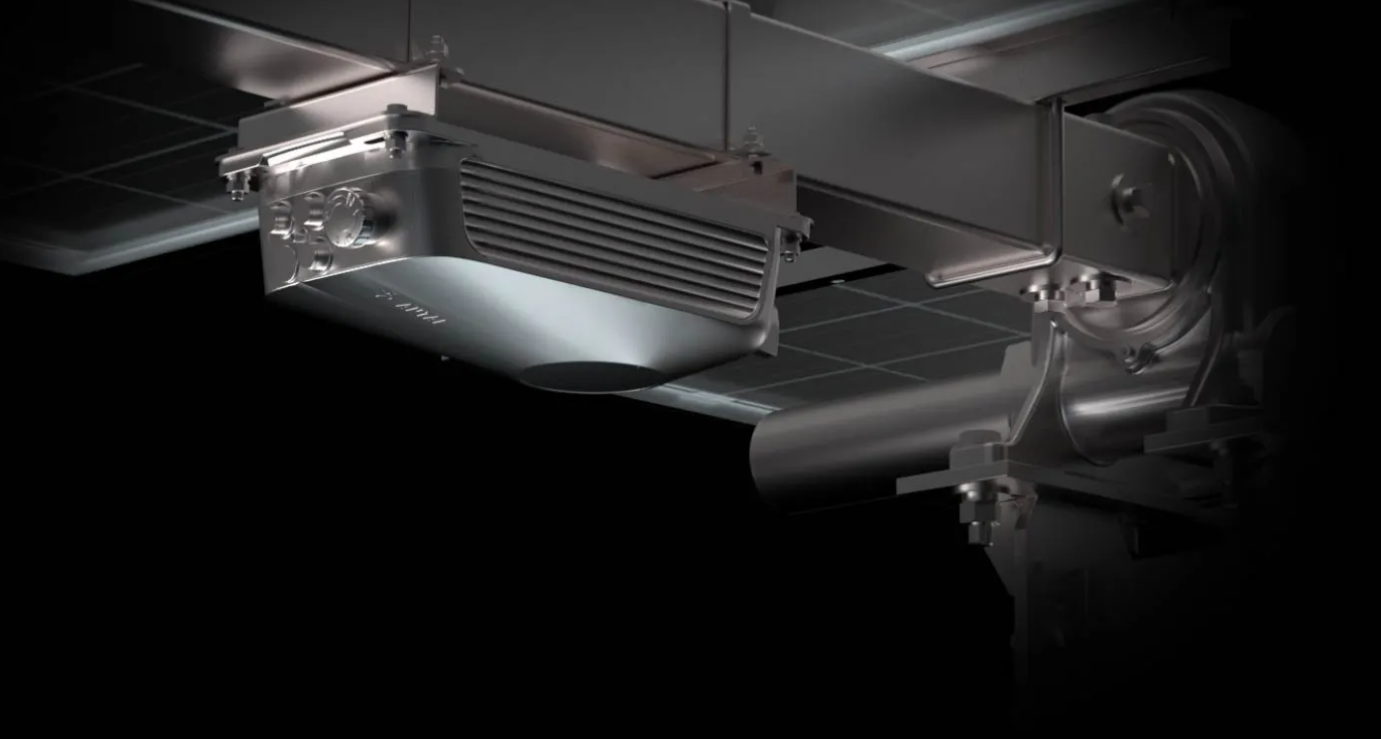
Factory capacity reservation protocols provide insight into how manufacturers organize resources before fulfilling large orders. These procedures involve production planning, material preparation, quality control, and communication between suppliers and project teams.
Antaisolar has extensive experience supporting solar projects with mounting solutions designed for different applications. Understanding how manufacturers manage capacity reservations can help developers and EPC companies make more informed supplier decisions.
Why Factory Capacity Reservation Matters for Solar Projects
Large-scale solar installations often involve thousands of structural components that must arrive according to strict construction schedules. A delay in mounting system delivery can affect installation progress, labor arrangements, and overall project timelines.
A well-developed capacity reservation process allows manufacturers to prepare production resources in advance. This includes confirming raw material availability, arranging manufacturing sequences, and allocating factory resources according to customer requirements.
For project owners, evaluating these processes provides a clearer picture of whether a manufacturer can handle high-volume demand. Production capability is not only measured by factory size but also by planning efficiency and operational control.
Solar Panel Mounting Systems Supplier Selection Criteria
Selecting a solar panel mounting systems supplier requires more than comparing product specifications or pricing. Large projects need partners capable of maintaining consistent production quality while managing complex delivery requirements.
One important evaluation point is how suppliers organize their production schedules. A reliable manufacturer should provide clear information about manufacturing stages, expected completion periods, and potential adjustments during the project lifecycle.
Supply chain coordination is also essential. Solar mounting structures rely on stable material sourcing and accurate fabrication processes. Manufacturers with established procurement systems can better manage fluctuations and maintain production continuity.
A qualified solar panel mounting systems supplier should demonstrate both technical knowledge and manufacturing discipline. These capabilities help ensure that project requirements are met from initial planning through final installation.
Key Elements of an Effective Capacity Reservation Protocol
A strong capacity reservation system begins with accurate demand forecasting. Manufacturers need to understand expected order volumes, delivery locations, and project milestones before committing production resources.
Production flexibility is another important consideration. Solar projects may experience changes caused by permitting, construction conditions, or market factors. Manufacturers with adaptable scheduling systems can respond more effectively while protecting delivery commitments.
Quality management should remain a priority throughout high-volume production. Increasing output should not compromise component accuracy, structural reliability, or inspection procedures.
Factory monitoring systems also play an important role. Tracking material usage, manufacturing progress, and quality checkpoints helps identify potential issues before they affect project schedules.
Evaluating Manufacturing Capability Beyond Production Volume
Factory capacity is often associated with output numbers, but actual manufacturing capability involves many additional factors. Production experience, engineering support, and communication efficiency all contribute to successful project execution.
Large solar developments require mounting solutions that meet different environmental and structural conditions. Manufacturers need the ability to adapt designs and production methods according to site requirements.
Project teams should also review how suppliers manage technical coordination. Clear communication between engineering departments and customers helps reduce misunderstandings and improves installation efficiency.
The relationship between manufacturer and customer should extend beyond order fulfillment. Long-term cooperation depends on reliability, responsiveness, and the ability to support evolving renewable energy requirements.
The Importance of Strategic Planning in Solar Supply Chains
The growing global demand for renewable energy has increased pressure on solar manufacturers to improve production organization. Capacity reservation strategies have become an important tool for balancing customer expectations with factory capabilities.
A structured approach allows manufacturers to prepare resources earlier and helps customers gain better visibility into project progress. This planning method is especially valuable for utility-scale solar developments where timing and consistency are critical.
Manufacturers that combine engineering expertise with organized production systems can create stronger partnerships with developers and EPC companies. Such cooperation contributes to smoother project execution and more predictable outcomes.
How Buyers Can Review Supplier Capacity Commitments
Before selecting a manufacturer, buyers should evaluate several aspects of capacity reservation practices. Production timelines, communication processes, quality systems, and previous project experience all provide useful indicators.
A detailed discussion before order confirmation can help both parties establish realistic expectations. Questions regarding manufacturing schedules, material preparation, and delivery coordination should be addressed early.
The best supplier relationships are built on transparency. When manufacturers provide clear production information and customers understand capacity limitations, both sides can work together more efficiently.
Conclusion
Evaluating factory capacity reservation protocols offers valuable insight into the reliability of high-volume solar racking manufacturers. These procedures reveal how suppliers manage production planning, resource allocation, and quality control during demanding projects.
Antaisolar focuses on supporting solar developments through organized manufacturing processes and dependable mounting solutions. Careful supplier evaluation enables project stakeholders to identify partners that can meet both current requirements and future growth needs.
The renewable energy sector will continue expanding, and effective production planning will remain a key factor in building stronger solar supply chains. Manufacturers with reliable capacity management practices will play an important role in helping global solar projects move forward successfully.
end