
Mechanically Linked vs. Independent Rows: Procurement Metrics from Solar Tracking System Manufacturers
August 04, 2026
Solar tracking technology has become a key consideration for utility-scale photovoltaic projects seeking higher energy output and improved project economics. As developers and EPC companies evaluate different tracking architectures, the choice between mechanically linked rows and independent rows directly influences installation efficiency, operational reliability, maintenance requirements, and long-term return on investment. For procurement teams comparing solutions from solar tracker system manufacturers, understanding these performance metrics is essential to selecting the right technology for different project conditions.
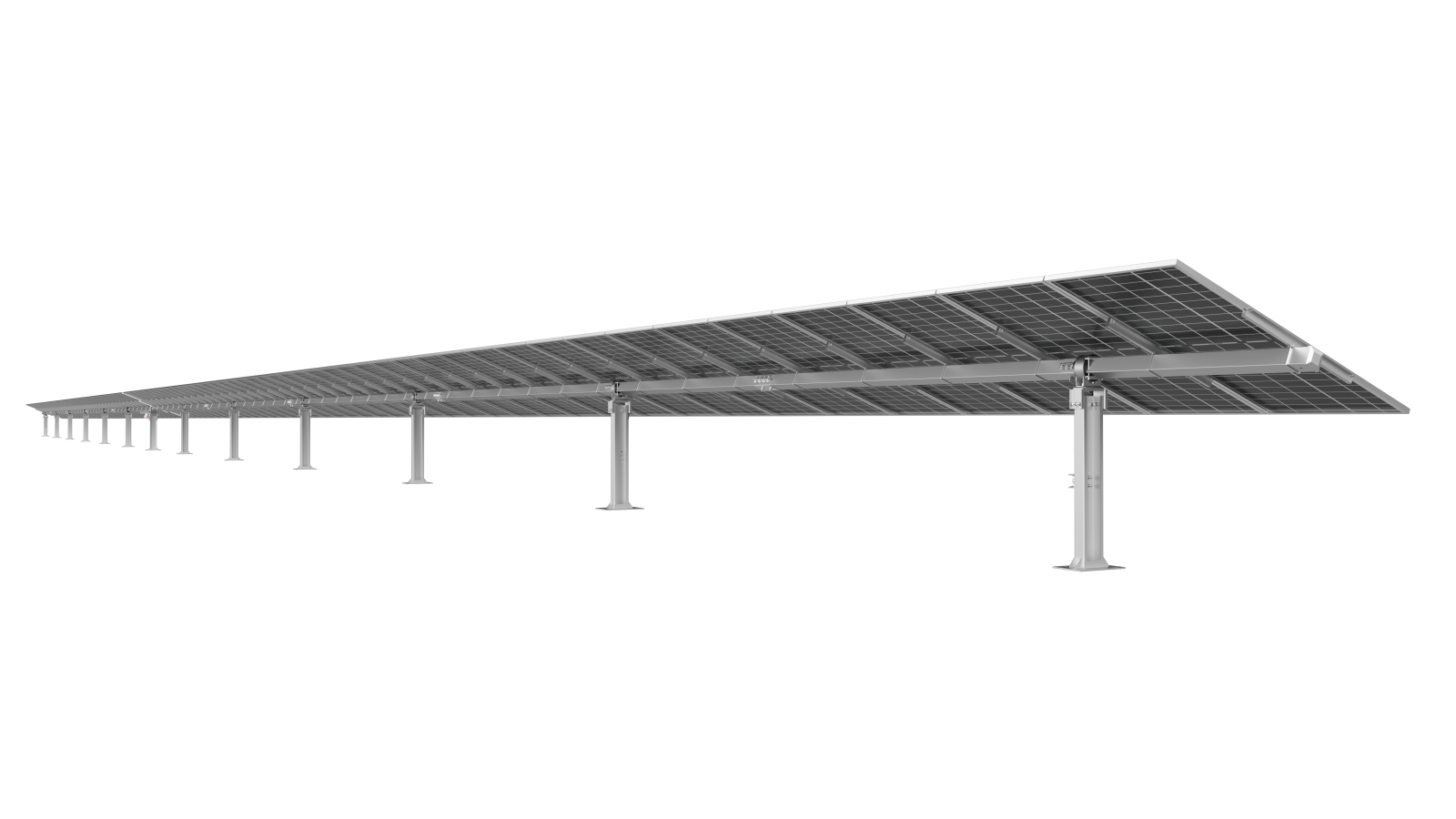
Mechanically linked solar trackers connect multiple rows through shared mechanical components, allowing several tracker rows to operate together through a centralized drive structure. Depending on the architecture, mechanical linkage can coordinate multiple drive points, while the required number of drives and controllers varies by system design.
However, mechanically linked systems often require more complex structural coordination. The connection between rows introduces additional mechanical dependencies, meaning that movement, alignment, and maintenance activities in one area may affect other parts of the system. For large-scale solar plants with challenging terrain or strict installation schedules, these factors can influence project execution and operational flexibility.
Independent-row tracking systems allow individual tracker rows to operate and be controlled independently, while their drive configurations can vary by system design. This architecture allows each row to operate individually according to site conditions, improving adaptability across uneven terrain and different environmental conditions. For developers focused on long-term energy generation and operational stability, independent-row systems provide valuable advantages.
When evaluating solar tracker system manufacturers, procurement teams should consider more than the initial purchase price. The total value of a tracking system depends on multiple factors throughout the project lifecycle.
Energy yield is one of the most important indicators. A well-designed tracking system adjusts module angles throughout the day to improve solar exposure while accounting for site and operating conditions. Advanced tracking algorithms, accurate positioning, and responsive mechanical structures contribute to improved power generation and better project returns.
Terrain adaptability is another critical metric. Utility-scale solar projects are increasingly developed in locations with complex landscapes, including slopes and irregular terrain. Independent-row systems can provide greater installation flexibility because each row can respond separately to local conditions, reducing the need for extensive land preparation.
Reliability and maintenance requirements also influence procurement decisions. A tracking system with an appropriate drive and control architecture can simplify troubleshooting and support maintenance efficiency. Independent operation can allow maintenance teams to work on individual rows while limiting the operational impact on other parts of the solar field.
For solar project investors, the lowest upfront cost does not always represent the best long-term choice. Procurement decisions should consider lifecycle value, including installation efficiency, operating expenses, maintenance requirements, and energy production over the system’s service life.
Mechanically linked trackers may provide advantages in certain project scenarios where simplified mechanical coordination is preferred. However, independent-row solutions can offer stronger adaptability and operational resilience, especially for large projects facing variable terrain, complex environments, or evolving performance requirements.
The ability to integrate intelligent control technologies is also becoming increasingly important. Modern solar tracking systems rely on advanced software to optimize positioning, improve accuracy, and respond to changing weather and site conditions. These digital capabilities help operators achieve more predictable energy output and enhance asset management.
The evolution of solar tracking technology is closely connected with improvements in mechanical engineering, control systems, and data-driven optimization. Leading solar tracker system manufacturers are focusing on solutions that combine robust hardware with intelligent software to support higher efficiency and easier project management.
Features such as accurate tracking angles, optimized drive systems, and compatibility with bifacial modules can significantly influence energy gains. At the same time, advanced algorithms help trackers adjust intelligently according to geographic location, sunlight conditions, and operational requirements.
For procurement professionals, selecting a technology partner with strong engineering capabilities is as important as selecting the tracking structure itself. A manufacturer that can provide customized design support, technical guidance, and lifecycle services can help reduce project risks from development to operation.
We are Antaisolar, dedicated to advancing the development and application of new energy through technological innovation. We provide comprehensive PV mounting system solutions, including fixed mounting systems, tracking systems, and BIPV solutions, covering all materials, functions, and services. With global experience in solar projects, we support customers with customized system design, engineering assistance, installation guidance, and lifecycle maintenance services.
Our TAI-Simple Solar Tracker is a LCOE-optimizing solar tracking system designed with a 1P single-axis independent structure. The system adopts a single slew-drive design and a dual-sided symmetrical damping system to enhance stability and operational reliability. It also features large-angle tracking capability, improved terrain adaptability, compatibility with bifacial modules, and the SmartTrail™ Intelligent Control System for optimized energy capture.
By combining advanced hardware design with intelligent control technology, our TAI-Simple Solar Tracker helps utility-scale projects achieve higher energy yields and stronger long-term returns. Through continuous innovation and professional support, we work with global partners to deliver reliable solar tracking solutions that meet the evolving demands of the renewable energy industry.
Comparing Mechanical Design Approaches in Solar Tracking Systems
Mechanically linked solar trackers connect multiple rows through shared mechanical components, allowing several tracker rows to operate together through a centralized drive structure. Depending on the architecture, mechanical linkage can coordinate multiple drive points, while the required number of drives and controllers varies by system design.
However, mechanically linked systems often require more complex structural coordination. The connection between rows introduces additional mechanical dependencies, meaning that movement, alignment, and maintenance activities in one area may affect other parts of the system. For large-scale solar plants with challenging terrain or strict installation schedules, these factors can influence project execution and operational flexibility.
Independent-row tracking systems allow individual tracker rows to operate and be controlled independently, while their drive configurations can vary by system design. This architecture allows each row to operate individually according to site conditions, improving adaptability across uneven terrain and different environmental conditions. For developers focused on long-term energy generation and operational stability, independent-row systems provide valuable advantages.
Key Procurement Metrics for Solar Tracker System Manufacturers
When evaluating solar tracker system manufacturers, procurement teams should consider more than the initial purchase price. The total value of a tracking system depends on multiple factors throughout the project lifecycle.
Energy yield is one of the most important indicators. A well-designed tracking system adjusts module angles throughout the day to improve solar exposure while accounting for site and operating conditions. Advanced tracking algorithms, accurate positioning, and responsive mechanical structures contribute to improved power generation and better project returns.
Terrain adaptability is another critical metric. Utility-scale solar projects are increasingly developed in locations with complex landscapes, including slopes and irregular terrain. Independent-row systems can provide greater installation flexibility because each row can respond separately to local conditions, reducing the need for extensive land preparation.
Reliability and maintenance requirements also influence procurement decisions. A tracking system with an appropriate drive and control architecture can simplify troubleshooting and support maintenance efficiency. Independent operation can allow maintenance teams to work on individual rows while limiting the operational impact on other parts of the solar field.
Evaluating Lifecycle Value Beyond Initial Investment
For solar project investors, the lowest upfront cost does not always represent the best long-term choice. Procurement decisions should consider lifecycle value, including installation efficiency, operating expenses, maintenance requirements, and energy production over the system’s service life.
Mechanically linked trackers may provide advantages in certain project scenarios where simplified mechanical coordination is preferred. However, independent-row solutions can offer stronger adaptability and operational resilience, especially for large projects facing variable terrain, complex environments, or evolving performance requirements.
The ability to integrate intelligent control technologies is also becoming increasingly important. Modern solar tracking systems rely on advanced software to optimize positioning, improve accuracy, and respond to changing weather and site conditions. These digital capabilities help operators achieve more predictable energy output and enhance asset management.
How Technology Innovation Improves Solar Tracking Performance
The evolution of solar tracking technology is closely connected with improvements in mechanical engineering, control systems, and data-driven optimization. Leading solar tracker system manufacturers are focusing on solutions that combine robust hardware with intelligent software to support higher efficiency and easier project management.
Features such as accurate tracking angles, optimized drive systems, and compatibility with bifacial modules can significantly influence energy gains. At the same time, advanced algorithms help trackers adjust intelligently according to geographic location, sunlight conditions, and operational requirements.
For procurement professionals, selecting a technology partner with strong engineering capabilities is as important as selecting the tracking structure itself. A manufacturer that can provide customized design support, technical guidance, and lifecycle services can help reduce project risks from development to operation.
Why Antaisolar's TAI-Simple Solar Tracker Supports Utility-Scale Solar Projects
We are Antaisolar, dedicated to advancing the development and application of new energy through technological innovation. We provide comprehensive PV mounting system solutions, including fixed mounting systems, tracking systems, and BIPV solutions, covering all materials, functions, and services. With global experience in solar projects, we support customers with customized system design, engineering assistance, installation guidance, and lifecycle maintenance services.
Our TAI-Simple Solar Tracker is a LCOE-optimizing solar tracking system designed with a 1P single-axis independent structure. The system adopts a single slew-drive design and a dual-sided symmetrical damping system to enhance stability and operational reliability. It also features large-angle tracking capability, improved terrain adaptability, compatibility with bifacial modules, and the SmartTrail™ Intelligent Control System for optimized energy capture.
By combining advanced hardware design with intelligent control technology, our TAI-Simple Solar Tracker helps utility-scale projects achieve higher energy yields and stronger long-term returns. Through continuous innovation and professional support, we work with global partners to deliver reliable solar tracking solutions that meet the evolving demands of the renewable energy industry.
end