
Quality Control Standards to Evaluate Extruded Aluminum Solar Ground Mount Frame Suppliers
June 11, 2026
For utility-scale photovoltaic projects, the quality of mounting structures directly affects system reliability, installation efficiency, and long-term energy production. While solar modules receive most attention, the supporting structure must withstand decades of outdoor exposure, including wind, rain, temperature changes, and corrosion risks.
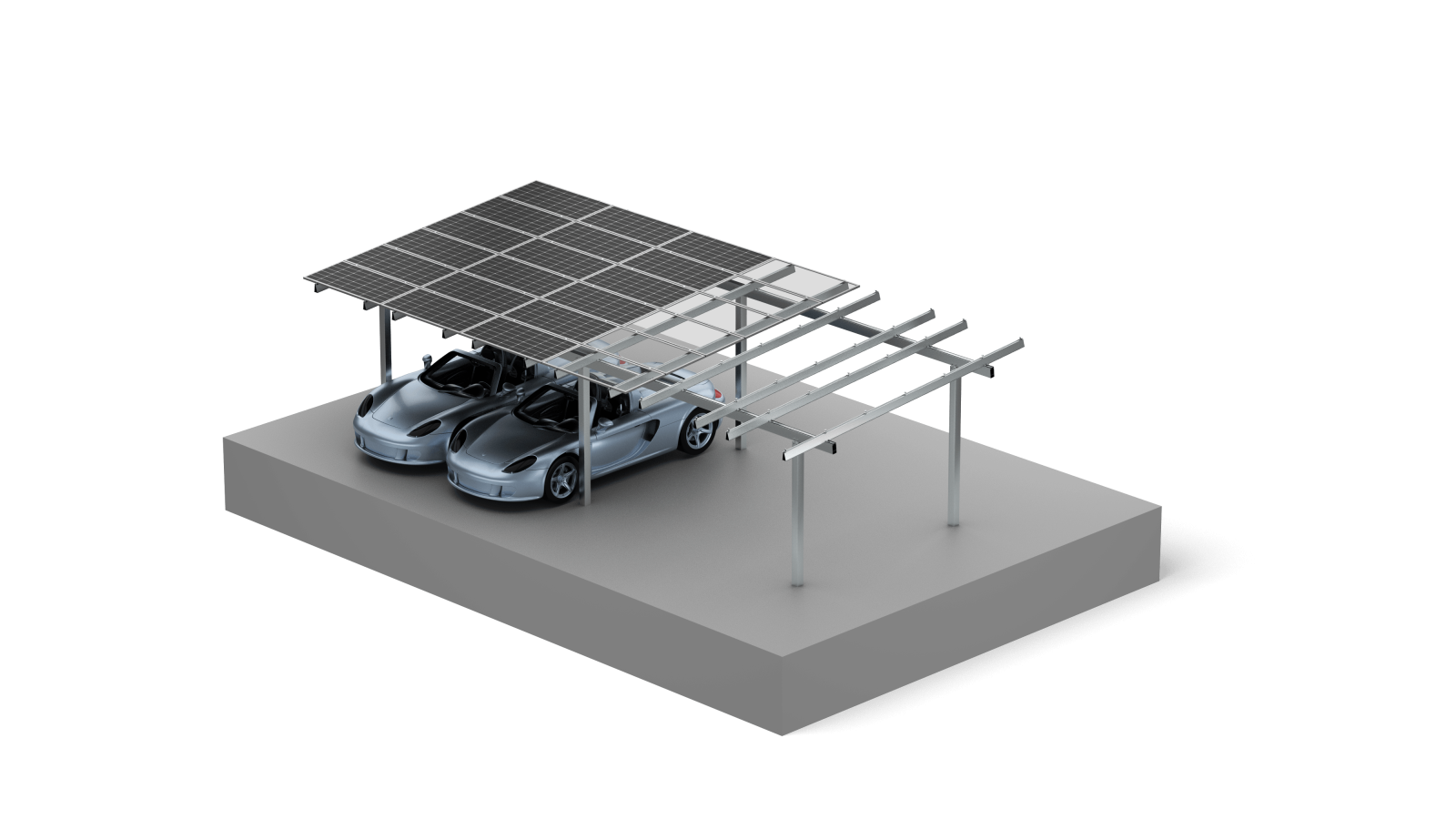
When selecting a ground mount solar frame supplier, project developers should look beyond product appearance and pricing. A reliable supplier needs a comprehensive quality control system that covers raw material inspection, extrusion processes, dimensional accuracy, surface treatment, and final product verification.
Extruded aluminum frames are widely used in solar mounting applications because they offer a favorable balance between strength, weight, and corrosion resistance. However, the advantages of aluminum can only be achieved when manufacturing processes are carefully controlled at every stage.
A solar mounting frame operates in harsh outdoor environments for many years. Small manufacturing inconsistencies that seem insignificant during production can become major problems after installation.
For example, inaccurate profile dimensions may create assembly difficulties at the project site. Poor surface treatment can reduce corrosion resistance, while inconsistent alloy composition may affect structural performance under heavy loads.
A professional ground mount solar frame supplier should establish quality checkpoints throughout the production process rather than relying only on final inspection. This approach helps identify problems earlier and ensures every component meets engineering requirements before shipment.
The quality of an aluminum frame begins with the material selection stage. Aluminum alloy composition directly influences mechanical strength, durability, and extrusion performance.
Suppliers should verify incoming aluminum billets through material testing and documentation checks. Chemical composition analysis helps confirm that the selected alloy meets required specifications, while mechanical testing evaluates properties such as tensile strength and hardness.
Material traceability is another important factor. A reliable manufacturer should be able to track aluminum batches throughout production, allowing quality teams to identify and resolve potential issues quickly.
Without strict raw material control, even advanced extrusion equipment cannot guarantee consistent frame performance.
The extrusion process determines the basic shape and structural characteristics of aluminum profiles. During extrusion, factors such as temperature control, die condition, and production speed influence the final quality of the frame.
A qualified supplier should monitor profile dimensions, straightness, and surface condition during manufacturing. Tight dimensional control is especially important because solar mounting components must fit accurately with rails, clamps, brackets, and other structural elements.
Profile deformation or inconsistent tolerances can create installation challenges and increase labor requirements during construction. For large solar projects, these small inefficiencies can result in significant schedule impacts.
Ground-mounted solar structures are exposed to outdoor conditions throughout their service life. Aluminum naturally provides corrosion resistance, but surface treatment further improves durability in demanding environments.
Quality control for surface finishing should include checks on coating consistency, appearance, and treatment thickness. Anodizing and other finishing methods must be properly controlled to ensure long-term protection against environmental exposure.
Projects located in coastal areas, industrial zones, or regions with high humidity require additional attention because corrosion risks may be higher. The supplier’s ability to provide suitable surface treatment options is an important part of product evaluation.
Precision is essential for solar mounting systems because thousands of components must work together across a large project site.
A strong quality management process includes dimensional inspections after extrusion, cutting, drilling, and machining. Critical measurements such as profile length, hole position, and connection points should be checked against engineering drawings.
Assembly testing can also help identify potential compatibility issues before products reach the installation site. This reduces the need for field modifications and improves construction efficiency.
For EPC contractors, consistent component accuracy translates into smoother installation and fewer unexpected delays.
The final quality inspection is the last opportunity to verify that products meet project requirements. A professional supplier should inspect finished frames for structural condition, surface quality, packaging integrity, and documentation accuracy.
Pre-shipment checks may include sampling inspections, visual evaluations, measurement verification, and review of production records. These procedures help ensure that delivered components match approved specifications.
For international projects, clear quality documentation is particularly valuable because it provides confidence for developers, investors, and construction partners.
Selecting a supplier requires evaluating more than manufacturing capacity. Developers should consider whether the supplier has strong engineering support, stable production processes, and experience with different solar project environments.
A dependable supplier should be able to provide consistent product quality while adapting designs to specific project requirements, including terrain conditions, loading requirements, and installation methods.
Quality certifications, testing capabilities, and transparent manufacturing procedures can provide useful indicators when comparing potential suppliers. However, project teams should also evaluate practical factors such as communication efficiency, technical support, and delivery reliability.
Quality control is not only a manufacturing concern; it directly influences the lifecycle performance of a photovoltaic project.
Reliable aluminum frames reduce installation problems, improve structural stability, and help maintain system performance throughout operation. Investing in better supplier evaluation at the beginning of a project can reduce maintenance risks and unexpected costs later.
A well-controlled production process creates confidence that every component installed in the solar field can perform as expected under real environmental conditions.
The selection of an aluminum mounting frame supplier should be based on measurable quality standards rather than simple cost comparisons. Material verification, extrusion control, surface treatment, dimensional accuracy, and final inspection all contribute to the reliability of solar structures.
Antaisolar applies strict engineering and manufacturing practices to support solar projects that require dependable ground mounting solutions. By prioritizing quality control throughout the supply chain, developers can build PV systems with stronger durability and more predictable long-term performance.
When selecting a ground mount solar frame supplier, project developers should look beyond product appearance and pricing. A reliable supplier needs a comprehensive quality control system that covers raw material inspection, extrusion processes, dimensional accuracy, surface treatment, and final product verification.
Extruded aluminum frames are widely used in solar mounting applications because they offer a favorable balance between strength, weight, and corrosion resistance. However, the advantages of aluminum can only be achieved when manufacturing processes are carefully controlled at every stage.
Why Quality Control Matters for Aluminum Solar Ground Mount Frames
A solar mounting frame operates in harsh outdoor environments for many years. Small manufacturing inconsistencies that seem insignificant during production can become major problems after installation.
For example, inaccurate profile dimensions may create assembly difficulties at the project site. Poor surface treatment can reduce corrosion resistance, while inconsistent alloy composition may affect structural performance under heavy loads.
A professional ground mount solar frame supplier should establish quality checkpoints throughout the production process rather than relying only on final inspection. This approach helps identify problems earlier and ensures every component meets engineering requirements before shipment.
Raw Material Inspection: The First Quality Gate
The quality of an aluminum frame begins with the material selection stage. Aluminum alloy composition directly influences mechanical strength, durability, and extrusion performance.
Suppliers should verify incoming aluminum billets through material testing and documentation checks. Chemical composition analysis helps confirm that the selected alloy meets required specifications, while mechanical testing evaluates properties such as tensile strength and hardness.
Material traceability is another important factor. A reliable manufacturer should be able to track aluminum batches throughout production, allowing quality teams to identify and resolve potential issues quickly.
Without strict raw material control, even advanced extrusion equipment cannot guarantee consistent frame performance.
Extrusion Process Control for Structural Accuracy
The extrusion process determines the basic shape and structural characteristics of aluminum profiles. During extrusion, factors such as temperature control, die condition, and production speed influence the final quality of the frame.
A qualified supplier should monitor profile dimensions, straightness, and surface condition during manufacturing. Tight dimensional control is especially important because solar mounting components must fit accurately with rails, clamps, brackets, and other structural elements.
Profile deformation or inconsistent tolerances can create installation challenges and increase labor requirements during construction. For large solar projects, these small inefficiencies can result in significant schedule impacts.
Surface Treatment and Corrosion Protection Standards
Ground-mounted solar structures are exposed to outdoor conditions throughout their service life. Aluminum naturally provides corrosion resistance, but surface treatment further improves durability in demanding environments.
Quality control for surface finishing should include checks on coating consistency, appearance, and treatment thickness. Anodizing and other finishing methods must be properly controlled to ensure long-term protection against environmental exposure.
Projects located in coastal areas, industrial zones, or regions with high humidity require additional attention because corrosion risks may be higher. The supplier’s ability to provide suitable surface treatment options is an important part of product evaluation.
Dimensional Testing and Assembly Verification
Precision is essential for solar mounting systems because thousands of components must work together across a large project site.
A strong quality management process includes dimensional inspections after extrusion, cutting, drilling, and machining. Critical measurements such as profile length, hole position, and connection points should be checked against engineering drawings.
Assembly testing can also help identify potential compatibility issues before products reach the installation site. This reduces the need for field modifications and improves construction efficiency.
For EPC contractors, consistent component accuracy translates into smoother installation and fewer unexpected delays.
Final Inspection Before Shipment
The final quality inspection is the last opportunity to verify that products meet project requirements. A professional supplier should inspect finished frames for structural condition, surface quality, packaging integrity, and documentation accuracy.
Pre-shipment checks may include sampling inspections, visual evaluations, measurement verification, and review of production records. These procedures help ensure that delivered components match approved specifications.
For international projects, clear quality documentation is particularly valuable because it provides confidence for developers, investors, and construction partners.
Choosing a Reliable Aluminum Solar Frame Partner
Selecting a supplier requires evaluating more than manufacturing capacity. Developers should consider whether the supplier has strong engineering support, stable production processes, and experience with different solar project environments.
A dependable supplier should be able to provide consistent product quality while adapting designs to specific project requirements, including terrain conditions, loading requirements, and installation methods.
Quality certifications, testing capabilities, and transparent manufacturing procedures can provide useful indicators when comparing potential suppliers. However, project teams should also evaluate practical factors such as communication efficiency, technical support, and delivery reliability.
How Better QC Improves Long-Term Solar Project Value
Quality control is not only a manufacturing concern; it directly influences the lifecycle performance of a photovoltaic project.
Reliable aluminum frames reduce installation problems, improve structural stability, and help maintain system performance throughout operation. Investing in better supplier evaluation at the beginning of a project can reduce maintenance risks and unexpected costs later.
A well-controlled production process creates confidence that every component installed in the solar field can perform as expected under real environmental conditions.
Conclusion
The selection of an aluminum mounting frame supplier should be based on measurable quality standards rather than simple cost comparisons. Material verification, extrusion control, surface treatment, dimensional accuracy, and final inspection all contribute to the reliability of solar structures.
Antaisolar applies strict engineering and manufacturing practices to support solar projects that require dependable ground mounting solutions. By prioritizing quality control throughout the supply chain, developers can build PV systems with stronger durability and more predictable long-term performance.
end