
Vibration Damping Strategies for Ground Solar Racks in Permafrost Environments
June 11, 2026
Installing photovoltaic systems in permafrost regions requires a different approach from conventional solar projects. Frozen ground conditions create unique engineering challenges because soil behavior can change with temperature cycles, seasonal thawing, and long-term climate variations.
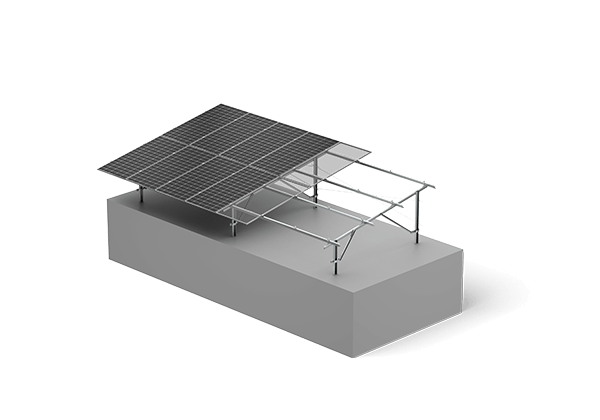
A ground mount solar panel rack installed in permafrost soils must withstand not only wind and snow loads but also dynamic forces caused by soil movement and structural vibration. Without proper damping strategies, repeated vibration can accelerate component fatigue, loosen connections, and reduce the long-term reliability of the solar array.
Designing an effective vibration control approach requires understanding how frozen soils interact with foundations, support structures, and environmental forces. A well-engineered system combines suitable foundation methods, structural reinforcement, and monitoring practices to maintain stable performance throughout the project lifecycle. Frozen soil conditions can influence how vibrations and ground responses transfer to structures, making site-specific engineering essential.
Permafrost soils are not uniform foundation materials. Their mechanical properties depend on ice content, temperature, soil composition, and seasonal changes. During colder periods, frozen layers can provide strong support, but warming conditions may reduce stiffness and increase deformation risks.
For solar installations, these variations affect how loads are transferred from the rack structure into the ground. Wind pressure on large PV surfaces can create repeated cyclic forces, causing small movements at foundations and connections.
Unlike traditional soil conditions, permafrost sites require engineers to consider both structural loads and ground behavior over time. Seasonal freeze-thaw cycles may change the interaction between piles, anchors, and surrounding soil, increasing the importance of vibration-resistant design.
A ground mount solar panel rack experiences several types of dynamic forces during operation. Wind is typically the most significant external source because solar modules create large exposed surfaces that transfer aerodynamic pressure into the supporting structure.
Mechanical vibration can also come from construction activities, transportation near the project site, and occasional environmental events. Although individual movements may appear minor, repeated stress cycles can affect bolts, joints, and foundation connections over decades.
In permafrost areas, vibration behavior is closely linked to soil stiffness. Frozen layers may transmit certain frequencies differently compared with unfrozen soil, influencing the response of the entire mounting structure. Research on frozen ground conditions shows that frozen soil layers can significantly affect ground motion characteristics and energy transmission.
The first step in vibration control is creating a stable structural framework. Rack components must be designed to distribute loads evenly and prevent excessive movement between modules, rails, and support posts.
Connection design plays an important role. High-quality fasteners, properly engineered joints, and accurate installation torque help reduce unwanted movement caused by repeated loading.
Damping can also be improved through structural optimization. Increasing stiffness in critical areas, reducing unnecessary flexibility, and balancing the relationship between strength and weight can help limit vibration response.
For utility-scale projects, the objective is not to eliminate all movement but to control vibration levels so that structural fatigue remains within acceptable limits throughout the system’s service life.
The foundation is one of the most important elements affecting vibration performance. A ground mount solar panel rack depends on its foundation system to transfer forces safely into the soil.
In permafrost regions, foundation selection must account for soil temperature, bearing capacity, frost movement, and long-term stability. Traditional approaches used in warmer regions may not always provide the same reliability when installed in frozen environments.
Pile depth, installation methods, and thermal impact should be evaluated during project planning. The goal is to maintain a stable connection between the rack and the ground while minimizing disturbance to the surrounding permafrost.
A poorly designed foundation may allow excessive movement, which can increase vibration stress throughout the mounting structure.
Permafrost solar installations require flexibility in design rather than a one-size-fits-all solution. Site investigations should identify soil characteristics, seasonal temperature changes, and expected environmental loads before finalizing the rack configuration.
A suitable ground mount solar panel rack should be adapted to local conditions through engineering analysis. This may include adjusting support spacing, selecting appropriate foundation solutions, and reinforcing areas exposed to higher dynamic loads.
Monitoring systems can also support long-term reliability. Sensors and inspection programs allow operators to identify structural movement before it develops into a major maintenance issue.
Even a well-designed solar rack requires regular inspection in harsh environments. Permafrost sites can experience gradual changes that are difficult to detect without periodic evaluation.
Maintenance teams should check connection points, foundation stability, and alignment of structural components. Early detection of movement allows corrective action before damage affects energy production.
Preventive maintenance is especially valuable for remote solar projects where repair access may be limited during extreme weather conditions.
The future of solar development in cold regions depends on mounting solutions that can adapt to challenging environments. Engineering improvements in materials, structural analysis, and foundation technology are helping solar systems operate in locations once considered difficult for PV deployment.
Vibration damping should be viewed as part of a complete reliability strategy rather than an isolated design feature. Combining stable foundations, optimized structures, and ongoing monitoring creates a stronger foundation for long-term solar performance.
Building solar projects in permafrost regions requires more than adapting standard racking structures to colder climates. The interaction between frozen soil behavior, foundation stability, and vibration control must be considered from the earliest design stage.
For developers working in extreme environments, selecting a ground mounting solution with strong structural adaptability can reduce long-term risks and support consistent energy production. Antaisolar continues to focus on engineering approaches that address complex site conditions and help photovoltaic systems achieve dependable performance in challenging locations.
A ground mount solar panel rack installed in permafrost soils must withstand not only wind and snow loads but also dynamic forces caused by soil movement and structural vibration. Without proper damping strategies, repeated vibration can accelerate component fatigue, loosen connections, and reduce the long-term reliability of the solar array.
Designing an effective vibration control approach requires understanding how frozen soils interact with foundations, support structures, and environmental forces. A well-engineered system combines suitable foundation methods, structural reinforcement, and monitoring practices to maintain stable performance throughout the project lifecycle. Frozen soil conditions can influence how vibrations and ground responses transfer to structures, making site-specific engineering essential.
Why Permafrost Conditions Create Vibration Challenges
Permafrost soils are not uniform foundation materials. Their mechanical properties depend on ice content, temperature, soil composition, and seasonal changes. During colder periods, frozen layers can provide strong support, but warming conditions may reduce stiffness and increase deformation risks.
For solar installations, these variations affect how loads are transferred from the rack structure into the ground. Wind pressure on large PV surfaces can create repeated cyclic forces, causing small movements at foundations and connections.
Unlike traditional soil conditions, permafrost sites require engineers to consider both structural loads and ground behavior over time. Seasonal freeze-thaw cycles may change the interaction between piles, anchors, and surrounding soil, increasing the importance of vibration-resistant design.
Understanding Vibration Sources in Solar Racking Systems
A ground mount solar panel rack experiences several types of dynamic forces during operation. Wind is typically the most significant external source because solar modules create large exposed surfaces that transfer aerodynamic pressure into the supporting structure.
Mechanical vibration can also come from construction activities, transportation near the project site, and occasional environmental events. Although individual movements may appear minor, repeated stress cycles can affect bolts, joints, and foundation connections over decades.
In permafrost areas, vibration behavior is closely linked to soil stiffness. Frozen layers may transmit certain frequencies differently compared with unfrozen soil, influencing the response of the entire mounting structure. Research on frozen ground conditions shows that frozen soil layers can significantly affect ground motion characteristics and energy transmission.
Structural Damping Methods for Ground Solar Racks
The first step in vibration control is creating a stable structural framework. Rack components must be designed to distribute loads evenly and prevent excessive movement between modules, rails, and support posts.
Connection design plays an important role. High-quality fasteners, properly engineered joints, and accurate installation torque help reduce unwanted movement caused by repeated loading.
Damping can also be improved through structural optimization. Increasing stiffness in critical areas, reducing unnecessary flexibility, and balancing the relationship between strength and weight can help limit vibration response.
For utility-scale projects, the objective is not to eliminate all movement but to control vibration levels so that structural fatigue remains within acceptable limits throughout the system’s service life.
Foundation Design Considerations in Frozen Ground
The foundation is one of the most important elements affecting vibration performance. A ground mount solar panel rack depends on its foundation system to transfer forces safely into the soil.
In permafrost regions, foundation selection must account for soil temperature, bearing capacity, frost movement, and long-term stability. Traditional approaches used in warmer regions may not always provide the same reliability when installed in frozen environments.
Pile depth, installation methods, and thermal impact should be evaluated during project planning. The goal is to maintain a stable connection between the rack and the ground while minimizing disturbance to the surrounding permafrost.
A poorly designed foundation may allow excessive movement, which can increase vibration stress throughout the mounting structure.
Using Flexible Engineering Approaches for Permafrost Projects
Permafrost solar installations require flexibility in design rather than a one-size-fits-all solution. Site investigations should identify soil characteristics, seasonal temperature changes, and expected environmental loads before finalizing the rack configuration.
A suitable ground mount solar panel rack should be adapted to local conditions through engineering analysis. This may include adjusting support spacing, selecting appropriate foundation solutions, and reinforcing areas exposed to higher dynamic loads.
Monitoring systems can also support long-term reliability. Sensors and inspection programs allow operators to identify structural movement before it develops into a major maintenance issue.
Maintenance Practices to Reduce Vibration-Related Risks
Even a well-designed solar rack requires regular inspection in harsh environments. Permafrost sites can experience gradual changes that are difficult to detect without periodic evaluation.
Maintenance teams should check connection points, foundation stability, and alignment of structural components. Early detection of movement allows corrective action before damage affects energy production.
Preventive maintenance is especially valuable for remote solar projects where repair access may be limited during extreme weather conditions.
Improving Reliability Through Better Rack Engineering
The future of solar development in cold regions depends on mounting solutions that can adapt to challenging environments. Engineering improvements in materials, structural analysis, and foundation technology are helping solar systems operate in locations once considered difficult for PV deployment.
Vibration damping should be viewed as part of a complete reliability strategy rather than an isolated design feature. Combining stable foundations, optimized structures, and ongoing monitoring creates a stronger foundation for long-term solar performance.
Conclusion
Building solar projects in permafrost regions requires more than adapting standard racking structures to colder climates. The interaction between frozen soil behavior, foundation stability, and vibration control must be considered from the earliest design stage.
For developers working in extreme environments, selecting a ground mounting solution with strong structural adaptability can reduce long-term risks and support consistent energy production. Antaisolar continues to focus on engineering approaches that address complex site conditions and help photovoltaic systems achieve dependable performance in challenging locations.
end