
6 Corrosion Resistance Standards for Coastal Tile Roof Solar Mounting Brackets
June 19, 2026
Coastal solar installations require a higher level of protection than standard rooftop PV projects. Salt spray, high humidity, and marine air can accelerate corrosion on exposed metal components, especially on small but critical parts such as brackets, clamps, and fasteners.
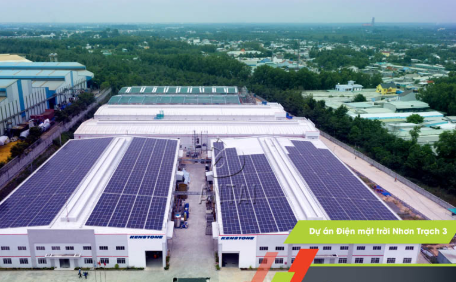
Corrosion resistance is a decisive factor for tile roof solar brackets in coastal areas—not just mechanical strength or roof fit. It directly shapes the service life, safety, and maintenance demands of the entire PV system.
To evaluate whether a mounting solution can withstand harsh marine conditions, project developers and installers often refer to recognized corrosion standards. These standards provide guidance on material protection, coating performance, and environmental suitability.
The following six corrosion resistance standards and testing methods are commonly considered when evaluating mounting brackets for coastal tile roof applications.
Solar mounting brackets are exposed to outdoor conditions for decades. Unlike indoor structural components, they must continuously handle moisture, temperature changes, airborne salt, and environmental pollutants.
Tile roof applications create additional requirements because the brackets are installed directly on the building envelope. Corrosion around attachment points, fasteners, or connection interfaces can affect both mounting reliability and roof protection.
A corrosion standard helps define whether a component is suitable for a specific environment. Instead of relying only on appearance or general material descriptions, engineers can use standardized evaluation methods to compare protection levels.
ISO 12944 is one of the most widely recognized standards for evaluating corrosion protection systems for steel structures. It classifies environments based on their corrosion severity and helps determine appropriate coating requirements.
For coastal PV projects, the most relevant categories are typically high-corrosion environments such as C4, C5, and CX. These classifications consider factors including humidity, salt exposure, and atmospheric conditions.
When selecting tile roof solar mounting brackets for marine areas, ISO 12944 helps determine whether standard coatings are sufficient or whether enhanced protection systems are required.
For example, a rooftop installation several kilometers inland may experience lower corrosion pressure compared with a building directly exposed to sea air. The required protection level should match the actual project environment.
ASTM B117 is a commonly used laboratory test method for evaluating corrosion resistance under accelerated salt spray conditions.
During the test, samples are exposed to a controlled salt mist environment to observe corrosion development over a specific period. It is often used to compare the durability of protective coatings applied to metal components.
For solar mounting brackets, salt spray testing provides useful information about coating performance. However, the results should be interpreted together with other factors, including material type, coating thickness, and real-world installation conditions.
A high salt spray test result does not automatically guarantee decades of outdoor performance, but it provides valuable data when comparing different corrosion protection approaches.
Steel components used in solar mounting systems often rely on hot-dip galvanizing for corrosion protection. ASTM A123 defines requirements for zinc coatings applied to iron and steel products.
The zinc layer acts as a protective barrier, helping prevent the underlying steel from direct exposure to moisture and corrosive elements.
For coastal tile roof projects using galvanized steel components, coating thickness and quality are important considerations. Insufficient protection may reduce service life, especially in areas with continuous salt exposure.
This standard helps ensure galvanized components achieve a consistent level of corrosion resistance during manufacturing.
ISO 9227 provides procedures for conducting salt spray corrosion tests and is another important reference for evaluating material and coating performance.
Although similar to ASTM B117, ISO 9227 is commonly used in international markets and provides standardized testing methods for assessing corrosion behavior.
For global solar projects, this standard can help manufacturers and customers evaluate whether mounting components have been tested under recognized conditions.
When comparing different bracket suppliers, understanding the testing method behind corrosion claims can help project teams make more informed decisions.
While IEC standards such as IEC 61215 and IEC 61730 are primarily associated with photovoltaic module reliability and safety, they represent the broader expectation for long-term outdoor PV performance.
Mounting structures support these modules throughout their operating life, meaning environmental durability is an important consideration for the complete solar system.
Coastal projects require every part of the installation, including brackets, rails, and connectors, to maintain reliability under continuous environmental exposure.
Although mounting components are not PV modules, applying similar durability thinking helps ensure the entire system is designed for long-term operation.
Aluminum is widely used in solar mounting systems because of its lightweight characteristics and natural corrosion resistance. However, the performance of aluminum components depends on alloy selection and surface treatment.
Anodizing improves aluminum protection by creating a thicker oxide layer on the surface. This additional protection can improve resistance against weathering and marine exposure.
For coastal tile roof applications, aluminum brackets and rails should be evaluated based on surface treatment quality and suitability for the local environment.
The correct aluminum protection approach can help reduce maintenance requirements while maintaining structural performance over the project lifetime.
Selecting corrosion-resistant mounting brackets requires understanding the actual installation environment rather than choosing products based only on standard specifications.
Project teams should evaluate:
A coastal residential roof and a seaside industrial building may face very different corrosion conditions. The required protection level should reflect the specific project location.
In addition, corrosion protection should be considered as a complete system. Brackets, rails, clamps, and fasteners need compatible materials and coatings to avoid weak points.
Coastal PV projects require careful evaluation of corrosion resistance because mounting components must perform reliably in challenging outdoor environments. Standards such as ISO 12944, ASTM B117, ASTM A123, ISO 9227, IEC durability considerations, and aluminum protection methods provide valuable references for selecting suitable mounting solutions.
Reliable solar structures begin with site conditions, not component selection. Tile roof brackets perform long-term when materials, testing, and installation align. Antaisolar keeps building durable solutions for PV projects in all climates—coastal included.
Corrosion resistance is a decisive factor for tile roof solar brackets in coastal areas—not just mechanical strength or roof fit. It directly shapes the service life, safety, and maintenance demands of the entire PV system.
To evaluate whether a mounting solution can withstand harsh marine conditions, project developers and installers often refer to recognized corrosion standards. These standards provide guidance on material protection, coating performance, and environmental suitability.
The following six corrosion resistance standards and testing methods are commonly considered when evaluating mounting brackets for coastal tile roof applications.
Why Corrosion Standards Matter for Coastal Tile Roof Brackets
Solar mounting brackets are exposed to outdoor conditions for decades. Unlike indoor structural components, they must continuously handle moisture, temperature changes, airborne salt, and environmental pollutants.
Tile roof applications create additional requirements because the brackets are installed directly on the building envelope. Corrosion around attachment points, fasteners, or connection interfaces can affect both mounting reliability and roof protection.
A corrosion standard helps define whether a component is suitable for a specific environment. Instead of relying only on appearance or general material descriptions, engineers can use standardized evaluation methods to compare protection levels.
1. ISO 12944: Corrosion Protection Classification for Steel Structures
ISO 12944 is one of the most widely recognized standards for evaluating corrosion protection systems for steel structures. It classifies environments based on their corrosion severity and helps determine appropriate coating requirements.
For coastal PV projects, the most relevant categories are typically high-corrosion environments such as C4, C5, and CX. These classifications consider factors including humidity, salt exposure, and atmospheric conditions.
When selecting tile roof solar mounting brackets for marine areas, ISO 12944 helps determine whether standard coatings are sufficient or whether enhanced protection systems are required.
For example, a rooftop installation several kilometers inland may experience lower corrosion pressure compared with a building directly exposed to sea air. The required protection level should match the actual project environment.
2. ASTM B117: Salt Spray Corrosion Testing
ASTM B117 is a commonly used laboratory test method for evaluating corrosion resistance under accelerated salt spray conditions.
During the test, samples are exposed to a controlled salt mist environment to observe corrosion development over a specific period. It is often used to compare the durability of protective coatings applied to metal components.
For solar mounting brackets, salt spray testing provides useful information about coating performance. However, the results should be interpreted together with other factors, including material type, coating thickness, and real-world installation conditions.
A high salt spray test result does not automatically guarantee decades of outdoor performance, but it provides valuable data when comparing different corrosion protection approaches.
3. ASTM A123: Hot-Dip Galvanizing Protection Requirements
Steel components used in solar mounting systems often rely on hot-dip galvanizing for corrosion protection. ASTM A123 defines requirements for zinc coatings applied to iron and steel products.
The zinc layer acts as a protective barrier, helping prevent the underlying steel from direct exposure to moisture and corrosive elements.
For coastal tile roof projects using galvanized steel components, coating thickness and quality are important considerations. Insufficient protection may reduce service life, especially in areas with continuous salt exposure.
This standard helps ensure galvanized components achieve a consistent level of corrosion resistance during manufacturing.
4. ISO 9227: Salt Spray Testing Evaluation
ISO 9227 provides procedures for conducting salt spray corrosion tests and is another important reference for evaluating material and coating performance.
Although similar to ASTM B117, ISO 9227 is commonly used in international markets and provides standardized testing methods for assessing corrosion behavior.
For global solar projects, this standard can help manufacturers and customers evaluate whether mounting components have been tested under recognized conditions.
When comparing different bracket suppliers, understanding the testing method behind corrosion claims can help project teams make more informed decisions.
5. IEC Environmental Durability Requirements for PV Applications
While IEC standards such as IEC 61215 and IEC 61730 are primarily associated with photovoltaic module reliability and safety, they represent the broader expectation for long-term outdoor PV performance.
Mounting structures support these modules throughout their operating life, meaning environmental durability is an important consideration for the complete solar system.
Coastal projects require every part of the installation, including brackets, rails, and connectors, to maintain reliability under continuous environmental exposure.
Although mounting components are not PV modules, applying similar durability thinking helps ensure the entire system is designed for long-term operation.
6. Aluminum Anodizing and Alloy Protection Standards
Aluminum is widely used in solar mounting systems because of its lightweight characteristics and natural corrosion resistance. However, the performance of aluminum components depends on alloy selection and surface treatment.
Anodizing improves aluminum protection by creating a thicker oxide layer on the surface. This additional protection can improve resistance against weathering and marine exposure.
For coastal tile roof applications, aluminum brackets and rails should be evaluated based on surface treatment quality and suitability for the local environment.
The correct aluminum protection approach can help reduce maintenance requirements while maintaining structural performance over the project lifetime.
How to Choose the Right Corrosion Standard for Coastal Projects
Selecting corrosion-resistant mounting brackets requires understanding the actual installation environment rather than choosing products based only on standard specifications.
Project teams should evaluate:
- Distance from the coastline
- Local humidity and salt exposure
- Industrial pollution levels
- Expected system lifetime
- Material compatibility between brackets and fasteners
- Maintenance accessibility
A coastal residential roof and a seaside industrial building may face very different corrosion conditions. The required protection level should reflect the specific project location.
In addition, corrosion protection should be considered as a complete system. Brackets, rails, clamps, and fasteners need compatible materials and coatings to avoid weak points.
Conclusion
Coastal PV projects require careful evaluation of corrosion resistance because mounting components must perform reliably in challenging outdoor environments. Standards such as ISO 12944, ASTM B117, ASTM A123, ISO 9227, IEC durability considerations, and aluminum protection methods provide valuable references for selecting suitable mounting solutions.
Reliable solar structures begin with site conditions, not component selection. Tile roof brackets perform long-term when materials, testing, and installation align. Antaisolar keeps building durable solutions for PV projects in all climates—coastal included.
end