
Matching Solar Panel Mounting Brackets With Different Metal Roof Profiles
June 18, 2026
Metal roofs are not built with a single standardized structure. Standing seam panels, trapezoidal sheets, corrugated roofs, and concealed-fix systems each have different surface geometries and load-transfer characteristics. These differences directly affect how solar modules can be attached.
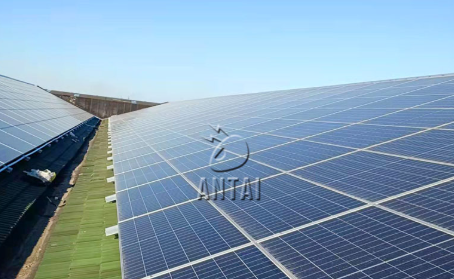
The bracket is the connection point between the photovoltaic array and the roof. If the attachment method does not match the roof profile, problems may occur during installation, including poor load distribution, roof damage, or reduced system reliability.
For this reason, selecting solar panel mounting brackets for metal roof projects requires more than choosing a commonly used component. The correct bracket must correspond with the roof design, fastening method, structural requirements, and environmental conditions of the project.
The primary role of a solar bracket is to transfer the weight of the PV system and external forces from the modules into the building structure. How this transfer happens depends largely on the shape and construction of the metal roof.
A standing seam roof transfers loads through raised seams, allowing clamps to grip the folded sections without penetrating the panels. A trapezoidal roof relies more on the strength of ribs, fasteners, and supporting members beneath the sheets.
This difference means that bracket selection begins with understanding the roof rather than the solar system. Engineers need to examine seam dimensions, rib spacing, panel thickness, and structural support locations before determining the appropriate attachment method.
Using the same bracket design across different roof profiles can create installation limitations because the contact area, fixing position, and force distribution may not match the actual roof structure.
Standing seam roofs are commonly used in commercial buildings because their concealed fastening design provides strong weather protection. Their raised seams also create suitable attachment points for solar installations.
The main consideration for these roofs is clamp compatibility. The bracket must properly engage with the seam without damaging the locking mechanism or applying excessive pressure to the metal panel.
Different standing seam systems may have variations in seam height, width, and locking shape. A clamp designed for one profile may not securely fit another, even if the roofs appear similar.
During design, engineers usually verify the seam dimensions and evaluate whether the clamp can withstand expected wind uplift forces. The goal is to create a secure mechanical connection while allowing the roof to continue expanding and contracting naturally with temperature changes.
Trapezoidal metal roofs are widely used for industrial facilities and warehouses due to their structural efficiency. Unlike standing seam systems, they usually require brackets that connect through the roof sheet or directly to supporting structures.
The rib configuration determines where brackets can be installed. Factors such as rib height, spacing, and sheet thickness influence the available fixing points and the strength of the connection.
For some projects, fasteners are attached directly into roof ribs. For others, the bracket position needs to align with underlying purlins to achieve sufficient load capacity.
A suitable bracket design must also consider waterproofing. Since these systems often involve roof penetration, sealing methods and fastener quality become important parts of the installation process.
Corrugated roofs create a different challenge because their curved surface does not provide continuous flat mounting areas. Brackets must be designed to follow the wave pattern while maintaining stable contact.
The spacing and height of corrugations affect where mounting points can be positioned. A poorly matched bracket may create uneven pressure on the roof surface, which can affect both mechanical stability and panel durability.
Fastener selection is particularly important for corrugated applications. The connection must provide sufficient holding strength while maintaining water resistance around penetration points.
Before installation, the condition of the roof should also be assessed. Older corrugated sheets may have corrosion or reduced structural strength, which can influence whether additional reinforcement is required.
Concealed-fix metal roofs are designed to hide fasteners beneath the roof surface, improving appearance and weather performance. Solar mounting on these systems requires careful attention because the hidden locking structure is part of the roof’s performance.
Brackets for snap-lock or similar profiles must attach securely without interfering with the locking mechanism. Excessive force at the connection point may affect roof movement or reduce the effectiveness of the concealed fastening system.
Compatibility testing is especially valuable for these roof types. The bracket should be designed around the actual profile instead of relying on assumptions based on general roof categories.
Roof profile identification is only the first stage of bracket selection. Several technical checks determine whether the chosen system is suitable for the project.
Wind loading is a major factor because rooftop solar arrays experience uplift forces during storms. Engineers must verify that the bracket connection can transfer these forces safely through the roof structure.
Roof material and thickness also influence bracket performance. Thin metal panels may require different fixing strategies compared with heavier structural roofing systems.
Environmental exposure should also be considered. Coastal areas, industrial zones, and high-humidity locations may require corrosion-resistant materials and suitable fastener combinations to maintain long-term performance.
Assuming that a single bracket design can fit multiple metal roof profiles is a common pitfall in solar projects. Although universal solutions may streamline inventory management, they don't always guarantee the optimal mechanical connection for every specific application.
Each roof profile has different load paths and attachment limitations. A bracket that performs well on a standing seam roof may not be suitable for a corrugated panel or trapezoidal sheet.
Selecting profile-specific mounting components reduces the need for field modifications and helps maintain installation quality. The bracket should be treated as an engineered connection rather than a simple accessory.
Solar mounting brackets must be selected according to the specific characteristics of the metal roof they are installed on. Seam shape, rib structure, fastening method, and environmental conditions all influence the final mounting solution.
Understanding that reliable rooftop solar systems hinge on precise compatibility between the roof structure and mounting components is at the core of what we do at Antaisolar. Our engineering experience in solar mounting enables us to craft solutions tailored to diverse metal roof applications, all with an unwavering focus on long-term project performance.
The bracket is the connection point between the photovoltaic array and the roof. If the attachment method does not match the roof profile, problems may occur during installation, including poor load distribution, roof damage, or reduced system reliability.
For this reason, selecting solar panel mounting brackets for metal roof projects requires more than choosing a commonly used component. The correct bracket must correspond with the roof design, fastening method, structural requirements, and environmental conditions of the project.
Roof Profile Determines How Solar Brackets Transfer Loads
The primary role of a solar bracket is to transfer the weight of the PV system and external forces from the modules into the building structure. How this transfer happens depends largely on the shape and construction of the metal roof.
A standing seam roof transfers loads through raised seams, allowing clamps to grip the folded sections without penetrating the panels. A trapezoidal roof relies more on the strength of ribs, fasteners, and supporting members beneath the sheets.
This difference means that bracket selection begins with understanding the roof rather than the solar system. Engineers need to examine seam dimensions, rib spacing, panel thickness, and structural support locations before determining the appropriate attachment method.
Using the same bracket design across different roof profiles can create installation limitations because the contact area, fixing position, and force distribution may not match the actual roof structure.
Standing Seam Roofs: Choosing Clamps Based on Seam Geometry
Standing seam roofs are commonly used in commercial buildings because their concealed fastening design provides strong weather protection. Their raised seams also create suitable attachment points for solar installations.
The main consideration for these roofs is clamp compatibility. The bracket must properly engage with the seam without damaging the locking mechanism or applying excessive pressure to the metal panel.
Different standing seam systems may have variations in seam height, width, and locking shape. A clamp designed for one profile may not securely fit another, even if the roofs appear similar.
During design, engineers usually verify the seam dimensions and evaluate whether the clamp can withstand expected wind uplift forces. The goal is to create a secure mechanical connection while allowing the roof to continue expanding and contracting naturally with temperature changes.
Trapezoidal Metal Roofs: Matching Brackets With Rib Layout
Trapezoidal metal roofs are widely used for industrial facilities and warehouses due to their structural efficiency. Unlike standing seam systems, they usually require brackets that connect through the roof sheet or directly to supporting structures.
The rib configuration determines where brackets can be installed. Factors such as rib height, spacing, and sheet thickness influence the available fixing points and the strength of the connection.
For some projects, fasteners are attached directly into roof ribs. For others, the bracket position needs to align with underlying purlins to achieve sufficient load capacity.
A suitable bracket design must also consider waterproofing. Since these systems often involve roof penetration, sealing methods and fastener quality become important parts of the installation process.
Corrugated Metal Roofs: Adapting to Wave Profiles
Corrugated roofs create a different challenge because their curved surface does not provide continuous flat mounting areas. Brackets must be designed to follow the wave pattern while maintaining stable contact.
The spacing and height of corrugations affect where mounting points can be positioned. A poorly matched bracket may create uneven pressure on the roof surface, which can affect both mechanical stability and panel durability.
Fastener selection is particularly important for corrugated applications. The connection must provide sufficient holding strength while maintaining water resistance around penetration points.
Before installation, the condition of the roof should also be assessed. Older corrugated sheets may have corrosion or reduced structural strength, which can influence whether additional reinforcement is required.
Snap-Lock and Concealed-Fix Roofs: Protecting Hidden Connections
Concealed-fix metal roofs are designed to hide fasteners beneath the roof surface, improving appearance and weather performance. Solar mounting on these systems requires careful attention because the hidden locking structure is part of the roof’s performance.
Brackets for snap-lock or similar profiles must attach securely without interfering with the locking mechanism. Excessive force at the connection point may affect roof movement or reduce the effectiveness of the concealed fastening system.
Compatibility testing is especially valuable for these roof types. The bracket should be designed around the actual profile instead of relying on assumptions based on general roof categories.
Engineering Checks Before Selecting a Metal Roof Bracket
Roof profile identification is only the first stage of bracket selection. Several technical checks determine whether the chosen system is suitable for the project.
Wind loading is a major factor because rooftop solar arrays experience uplift forces during storms. Engineers must verify that the bracket connection can transfer these forces safely through the roof structure.
Roof material and thickness also influence bracket performance. Thin metal panels may require different fixing strategies compared with heavier structural roofing systems.
Environmental exposure should also be considered. Coastal areas, industrial zones, and high-humidity locations may require corrosion-resistant materials and suitable fastener combinations to maintain long-term performance.
Why Universal Brackets Are Not Always the Best Choice
Assuming that a single bracket design can fit multiple metal roof profiles is a common pitfall in solar projects. Although universal solutions may streamline inventory management, they don't always guarantee the optimal mechanical connection for every specific application.
Each roof profile has different load paths and attachment limitations. A bracket that performs well on a standing seam roof may not be suitable for a corrugated panel or trapezoidal sheet.
Selecting profile-specific mounting components reduces the need for field modifications and helps maintain installation quality. The bracket should be treated as an engineered connection rather than a simple accessory.
Conclusion
Solar mounting brackets must be selected according to the specific characteristics of the metal roof they are installed on. Seam shape, rib structure, fastening method, and environmental conditions all influence the final mounting solution.
Understanding that reliable rooftop solar systems hinge on precise compatibility between the roof structure and mounting components is at the core of what we do at Antaisolar. Our engineering experience in solar mounting enables us to craft solutions tailored to diverse metal roof applications, all with an unwavering focus on long-term project performance.
end