
How Standing Seam Solar Mounting Systems Preserve Commercial Roof Performance and Warranties
June 17, 2026
Commercial buildings often rely on metal roofing systems because they provide durability, weather resistance, and long operational lifespans. When these roofs are selected for solar installations, the mounting approach becomes a critical factor that affects both photovoltaic performance and the condition of the building envelope.
One of the biggest challenges in commercial rooftop solar projects is adding equipment without compromising the original roofing system. Unnecessary penetrations, unsuitable fasteners, or incompatible attachment methods may create risks related to water leakage, maintenance requirements, and warranty protection.
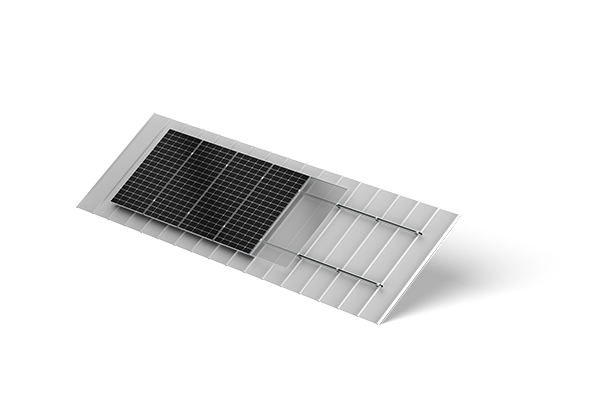
Designed for metal roof applications, standing seam mounting systems allow solar modules to be secured directly to existing roof seams instead of drilling through roof panels. This approach helps maintain roof integrity while providing a stable platform for photovoltaic installations. For companies evaluating metal roof solar mounts, understanding the relationship between mounting design and roof protection is essential.
A commercial metal roof is more than a surface for installing solar panels. It is a complete building protection system designed to manage rainwater, temperature changes, wind exposure, and long-term weather conditions.
Any modification to the roof can influence how well this system performs. Traditional mounting methods that require drilling holes may introduce additional sealing requirements and create future inspection points. Even minor installation issues can become costly when water intrusion affects interior spaces, equipment, or business operations.
For this reason, many commercial solar projects prioritize mounting solutions that minimize changes to the existing roof structure. Protecting the roof is not only about preventing immediate installation problems but also about maintaining the building’s long-term value.
The main difference between standing seam systems and conventional rooftop mounting methods is the attachment mechanism. Instead of penetrating metal panels, these systems use specially designed clamps that grip the raised seams of the roof.
The clamps create secure connection points for mounting rails and solar modules while leaving the roof surface unchanged. This reduces the need for drilling, sealants, and additional waterproofing measures.
However, effective attachment requires accurate matching between the clamp design and the roof profile. Commercial metal roofs vary in seam height, panel thickness, locking style, and manufacturer specifications. A mounting component that does not properly fit the roof structure may affect mechanical performance.
Before installation, engineers should verify roof specifications and confirm that the mounting hardware is suitable for the exact standing seam design.
Roof warranties are an important consideration for commercial property owners because they protect one of the building’s largest investments. Solar installation methods must be carefully reviewed to avoid creating conflicts with roofing manufacturers’ requirements.
A mounting system that changes the roof structure or uses unsuitable attachment methods may raise concerns regarding future warranty claims. This is especially important for newly constructed commercial buildings where roof coverage may extend for many years.
Properly engineered standing seam solutions are designed to work with the existing roof system rather than significantly altering it. However, project teams should still review warranty documentation and communicate with roofing contractors when necessary.
Clear installation procedures and technical documentation help ensure that the solar project supports both energy goals and roof protection requirements.
Although standing seam mounting avoids roof penetration, the system still requires detailed engineering evaluation. The roof must support additional loads from photovoltaic modules, mounting hardware, wind forces, and environmental conditions.
Wind uplift is one of the most critical factors in rooftop solar design. Engineers need to understand how forces transfer from the panels to the clamps, roof seams, and underlying building structure.
Thermal expansion should also be considered because metal roofing materials naturally expand and contract with temperature changes. The mounting system must provide sufficient flexibility to accommodate movement without creating excessive stress on the roof panels.
A properly engineered design ensures that the solar array remains secure while allowing the roof to continue functioning as intended.
The materials used in rooftop mounting systems directly affect durability, especially in demanding environments. Commercial buildings located near coastal areas, industrial zones, or regions with high humidity may require additional corrosion considerations.
Aluminum is commonly selected for mounting components because it combines low weight with strong corrosion resistance. Stainless steel fasteners are often used where additional durability is required for critical connections.
Material compatibility between the mounting system and the metal roof should also be evaluated. Using unsuitable combinations of metals may increase the risk of galvanic corrosion, which can gradually affect component performance.
Selecting appropriate materials helps maintain the reliability of both the solar mounting system and the roof structure.
Correct installation is essential for maintaining the benefits of standing seam mounting. Even a well-designed system can experience issues if clamps are incorrectly positioned or installation procedures are not followed.
Clamp tightening requires careful control. Excessive force may damage roof seams, while insufficient tightening can reduce connection strength. Installers should follow technical guidelines to achieve the required mechanical performance without affecting the roofing material.
A roof inspection before installation is also recommended. Existing damage, aging panels, or structural limitations should be identified before solar equipment is added. Early evaluation reduces the possibility of unexpected repairs after installation.
The quality of a rooftop solar installation depends heavily on the technical capability of the mounting supplier. Commercial customers should evaluate whether a supplier understands both solar engineering requirements and metal roofing systems.
Important factors include roof compatibility analysis, structural calculations, installation documentation, and experience with different commercial applications.
The most suitable supplier is not simply one that provides mounting hardware. A reliable partner should understand how solar systems interact with existing buildings and provide solutions that balance energy production, structural safety, and roof protection.
Standing seam solar mounting systems provide commercial building owners with a practical method for installing photovoltaic arrays while reducing risks to roof integrity and warranty protection. By attaching to existing roof seams instead of creating penetrations, these systems help preserve the original roofing structure.
Our experience shows that successful rooftop solar projects require careful consideration of both photovoltaic requirements and building conditions. Antaisolar applies engineering expertise in solar mounting solutions to help customers develop reliable systems that support long-term commercial roof performance.
One of the biggest challenges in commercial rooftop solar projects is adding equipment without compromising the original roofing system. Unnecessary penetrations, unsuitable fasteners, or incompatible attachment methods may create risks related to water leakage, maintenance requirements, and warranty protection.
Designed for metal roof applications, standing seam mounting systems allow solar modules to be secured directly to existing roof seams instead of drilling through roof panels. This approach helps maintain roof integrity while providing a stable platform for photovoltaic installations. For companies evaluating metal roof solar mounts, understanding the relationship between mounting design and roof protection is essential.
Why Commercial Roof Protection Matters During Solar Installation
A commercial metal roof is more than a surface for installing solar panels. It is a complete building protection system designed to manage rainwater, temperature changes, wind exposure, and long-term weather conditions.
Any modification to the roof can influence how well this system performs. Traditional mounting methods that require drilling holes may introduce additional sealing requirements and create future inspection points. Even minor installation issues can become costly when water intrusion affects interior spaces, equipment, or business operations.
For this reason, many commercial solar projects prioritize mounting solutions that minimize changes to the existing roof structure. Protecting the roof is not only about preventing immediate installation problems but also about maintaining the building’s long-term value.
How Standing Seam Mounts Attach to Metal Roofs
The main difference between standing seam systems and conventional rooftop mounting methods is the attachment mechanism. Instead of penetrating metal panels, these systems use specially designed clamps that grip the raised seams of the roof.
The clamps create secure connection points for mounting rails and solar modules while leaving the roof surface unchanged. This reduces the need for drilling, sealants, and additional waterproofing measures.
However, effective attachment requires accurate matching between the clamp design and the roof profile. Commercial metal roofs vary in seam height, panel thickness, locking style, and manufacturer specifications. A mounting component that does not properly fit the roof structure may affect mechanical performance.
Before installation, engineers should verify roof specifications and confirm that the mounting hardware is suitable for the exact standing seam design.
Maintaining Roof Warranties With Proper Mounting Solutions
Roof warranties are an important consideration for commercial property owners because they protect one of the building’s largest investments. Solar installation methods must be carefully reviewed to avoid creating conflicts with roofing manufacturers’ requirements.
A mounting system that changes the roof structure or uses unsuitable attachment methods may raise concerns regarding future warranty claims. This is especially important for newly constructed commercial buildings where roof coverage may extend for many years.
Properly engineered standing seam solutions are designed to work with the existing roof system rather than significantly altering it. However, project teams should still review warranty documentation and communicate with roofing contractors when necessary.
Clear installation procedures and technical documentation help ensure that the solar project supports both energy goals and roof protection requirements.
Structural Engineering Considerations for Standing Seam Solar Systems
Although standing seam mounting avoids roof penetration, the system still requires detailed engineering evaluation. The roof must support additional loads from photovoltaic modules, mounting hardware, wind forces, and environmental conditions.
Wind uplift is one of the most critical factors in rooftop solar design. Engineers need to understand how forces transfer from the panels to the clamps, roof seams, and underlying building structure.
Thermal expansion should also be considered because metal roofing materials naturally expand and contract with temperature changes. The mounting system must provide sufficient flexibility to accommodate movement without creating excessive stress on the roof panels.
A properly engineered design ensures that the solar array remains secure while allowing the roof to continue functioning as intended.
Material Selection for Long-Term Rooftop Reliability
The materials used in rooftop mounting systems directly affect durability, especially in demanding environments. Commercial buildings located near coastal areas, industrial zones, or regions with high humidity may require additional corrosion considerations.
Aluminum is commonly selected for mounting components because it combines low weight with strong corrosion resistance. Stainless steel fasteners are often used where additional durability is required for critical connections.
Material compatibility between the mounting system and the metal roof should also be evaluated. Using unsuitable combinations of metals may increase the risk of galvanic corrosion, which can gradually affect component performance.
Selecting appropriate materials helps maintain the reliability of both the solar mounting system and the roof structure.
Installation Practices That Protect Roof Performance
Correct installation is essential for maintaining the benefits of standing seam mounting. Even a well-designed system can experience issues if clamps are incorrectly positioned or installation procedures are not followed.
Clamp tightening requires careful control. Excessive force may damage roof seams, while insufficient tightening can reduce connection strength. Installers should follow technical guidelines to achieve the required mechanical performance without affecting the roofing material.
A roof inspection before installation is also recommended. Existing damage, aging panels, or structural limitations should be identified before solar equipment is added. Early evaluation reduces the possibility of unexpected repairs after installation.
Selecting the Right Supplier for Commercial Metal Roof Solar Projects
The quality of a rooftop solar installation depends heavily on the technical capability of the mounting supplier. Commercial customers should evaluate whether a supplier understands both solar engineering requirements and metal roofing systems.
Important factors include roof compatibility analysis, structural calculations, installation documentation, and experience with different commercial applications.
The most suitable supplier is not simply one that provides mounting hardware. A reliable partner should understand how solar systems interact with existing buildings and provide solutions that balance energy production, structural safety, and roof protection.
Conclusion
Standing seam solar mounting systems provide commercial building owners with a practical method for installing photovoltaic arrays while reducing risks to roof integrity and warranty protection. By attaching to existing roof seams instead of creating penetrations, these systems help preserve the original roofing structure.
Our experience shows that successful rooftop solar projects require careful consideration of both photovoltaic requirements and building conditions. Antaisolar applies engineering expertise in solar mounting solutions to help customers develop reliable systems that support long-term commercial roof performance.
end