
Engineering Services Your Solar Carport Partner Should Deliver for Project Success
June 16, 2026
A solar carport project requires more than a reliable structure and photovoltaic modules. Behind every successful installation is a combination of engineering analysis, accurate design, site adaptation, and technical coordination. Choosing a supplier that can provide comprehensive engineering support helps reduce risks during planning, construction, and long-term operation.
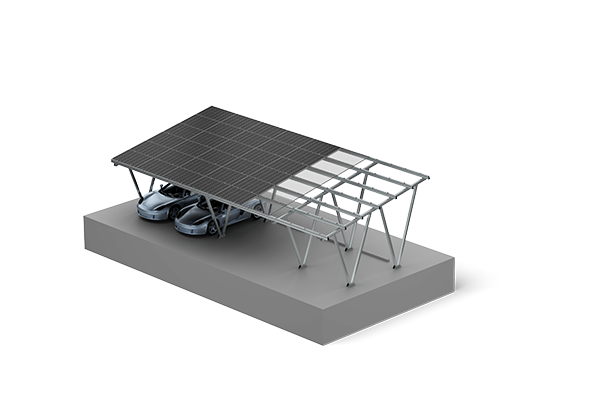
Many project owners focus on material quality and pricing when selecting a solar carport supplier, but engineering capability often determines whether a system performs efficiently under real-world conditions. A supplier with strong technical expertise can help transform project requirements into a practical and durable solar mounting solution.
Every solar carport project has different conditions. Parking layouts, vehicle access requirements, climate factors, and electrical configurations can significantly affect the final design. A capable supplier should begin with a detailed understanding of the project rather than offering a standard structure without modification.
Engineering support should include preliminary design assistance, layout optimization, and structural planning. The supplier should evaluate factors such as parking capacity, column positioning, module arrangement, and maintenance access to create a design that balances energy production with user convenience.
A professional solar carport supplier should also help customers select suitable structural configurations. Single-row, double-row, cantilever, and customized designs each have different applications. The right choice depends on land availability, project goals, and local regulations.
Solar carports must withstand various environmental conditions throughout their service life. Wind pressure, snow loads, seismic requirements, and local weather patterns all influence structural safety. Engineering support should include accurate load calculations and structural verification before construction begins.
A supplier with engineering expertise can provide solutions that consider site-specific challenges. For example, coastal projects may require additional corrosion protection, while regions with heavy snowfall may need stronger structural designs. These details directly affect system reliability and maintenance requirements.
Structural analysis is also important for controlling project costs. Overengineering can increase unnecessary expenses, while insufficient design margins can create safety risks. A balanced engineering approach ensures that materials are used efficiently without compromising performance.
Before installation, a supplier should help evaluate whether the proposed site is suitable for a solar carport system. This process may include reviewing available space, foundation conditions, parking arrangements, and construction limitations.
Installation planning is another important area of technical support. Detailed drawings, component information, and installation guidance allow construction teams to work more efficiently. Clear engineering documentation reduces confusion during assembly and helps prevent delays caused by design adjustments.
For complex projects, coordination between the supplier, EPC contractor, and project owner is essential. Engineering teams should be available to answer technical questions and provide solutions when unexpected site conditions appear.
A solar carport structure must work seamlessly with the selected photovoltaic modules and electrical design. Engineering support should consider module dimensions, orientation, tilt angle, and cable management requirements during the design stage.
Proper integration improves both installation efficiency and system performance. Poor coordination between structural and electrical planning can lead to additional labor, reduced energy output, or future maintenance difficulties.
A supplier should also provide technical guidance regarding module installation methods, connection points, and access requirements. These details help create a complete solar solution instead of treating the carport structure as an isolated component.
Reliable engineering support continues throughout the project lifecycle. Customers should expect access to professional documentation, including design drawings, technical specifications, installation instructions, and relevant calculation reports.
Clear communication is especially important for large-scale commercial projects involving multiple stakeholders. Engineering teams should respond quickly to questions and provide practical recommendations based on project conditions.
A supplier’s ability to communicate technical information clearly can significantly influence project progress. Strong documentation and responsive support help contractors complete installations with fewer interruptions.
Engineering responsibility should not end when construction is completed. Solar carport systems are long-term investments, and customers may need technical assistance during operation, expansion, or future upgrades.
A dependable solar carport supplier should understand how the system performs after installation and provide guidance when maintenance or modifications are required. This long-term approach helps protect the value of the investment and supports stable energy generation.
Future project changes, such as adding more parking areas or upgrading photovoltaic technology, may also require engineering review. Having access to experienced technical support makes these adjustments easier and more reliable.
Selecting a solar carport partner should involve more than comparing product specifications or initial costs. Engineering capability, design experience, technical communication, and ongoing support are critical factors that influence project quality and long-term performance.
Customers, engineers, and installation crews should work together closely to construct solar carports, in our opinion. Through our experience, we have found that providing comprehensive engineering support helps to lower uncertainty and provide solutions that align with the actual needs of the project. Supporting clients all the way through the concept and installation process, Antaisolar specialises in offering professional solar mounting knowledge.
Many project owners focus on material quality and pricing when selecting a solar carport supplier, but engineering capability often determines whether a system performs efficiently under real-world conditions. A supplier with strong technical expertise can help transform project requirements into a practical and durable solar mounting solution.
Design Support Based on Project Requirements
Every solar carport project has different conditions. Parking layouts, vehicle access requirements, climate factors, and electrical configurations can significantly affect the final design. A capable supplier should begin with a detailed understanding of the project rather than offering a standard structure without modification.
Engineering support should include preliminary design assistance, layout optimization, and structural planning. The supplier should evaluate factors such as parking capacity, column positioning, module arrangement, and maintenance access to create a design that balances energy production with user convenience.
A professional solar carport supplier should also help customers select suitable structural configurations. Single-row, double-row, cantilever, and customized designs each have different applications. The right choice depends on land availability, project goals, and local regulations.
Structural Engineering and Load Analysis
Solar carports must withstand various environmental conditions throughout their service life. Wind pressure, snow loads, seismic requirements, and local weather patterns all influence structural safety. Engineering support should include accurate load calculations and structural verification before construction begins.
A supplier with engineering expertise can provide solutions that consider site-specific challenges. For example, coastal projects may require additional corrosion protection, while regions with heavy snowfall may need stronger structural designs. These details directly affect system reliability and maintenance requirements.
Structural analysis is also important for controlling project costs. Overengineering can increase unnecessary expenses, while insufficient design margins can create safety risks. A balanced engineering approach ensures that materials are used efficiently without compromising performance.
Assistance With Site Evaluation and Installation Planning
Before installation, a supplier should help evaluate whether the proposed site is suitable for a solar carport system. This process may include reviewing available space, foundation conditions, parking arrangements, and construction limitations.
Installation planning is another important area of technical support. Detailed drawings, component information, and installation guidance allow construction teams to work more efficiently. Clear engineering documentation reduces confusion during assembly and helps prevent delays caused by design adjustments.
For complex projects, coordination between the supplier, EPC contractor, and project owner is essential. Engineering teams should be available to answer technical questions and provide solutions when unexpected site conditions appear.
Compatibility With Solar Modules and Electrical Systems
A solar carport structure must work seamlessly with the selected photovoltaic modules and electrical design. Engineering support should consider module dimensions, orientation, tilt angle, and cable management requirements during the design stage.
Proper integration improves both installation efficiency and system performance. Poor coordination between structural and electrical planning can lead to additional labor, reduced energy output, or future maintenance difficulties.
A supplier should also provide technical guidance regarding module installation methods, connection points, and access requirements. These details help create a complete solar solution instead of treating the carport structure as an isolated component.
Technical Documentation and Project Communication
Reliable engineering support continues throughout the project lifecycle. Customers should expect access to professional documentation, including design drawings, technical specifications, installation instructions, and relevant calculation reports.
Clear communication is especially important for large-scale commercial projects involving multiple stakeholders. Engineering teams should respond quickly to questions and provide practical recommendations based on project conditions.
A supplier’s ability to communicate technical information clearly can significantly influence project progress. Strong documentation and responsive support help contractors complete installations with fewer interruptions.
Long-Term Support After Installation
Engineering responsibility should not end when construction is completed. Solar carport systems are long-term investments, and customers may need technical assistance during operation, expansion, or future upgrades.
A dependable solar carport supplier should understand how the system performs after installation and provide guidance when maintenance or modifications are required. This long-term approach helps protect the value of the investment and supports stable energy generation.
Future project changes, such as adding more parking areas or upgrading photovoltaic technology, may also require engineering review. Having access to experienced technical support makes these adjustments easier and more reliable.
Conclusion
Selecting a solar carport partner should involve more than comparing product specifications or initial costs. Engineering capability, design experience, technical communication, and ongoing support are critical factors that influence project quality and long-term performance.
Customers, engineers, and installation crews should work together closely to construct solar carports, in our opinion. Through our experience, we have found that providing comprehensive engineering support helps to lower uncertainty and provide solutions that align with the actual needs of the project. Supporting clients all the way through the concept and installation process, Antaisolar specialises in offering professional solar mounting knowledge.
end