
How Waterproof Solar Carports Improve the Shopping Mall Parking Experience
June 15, 2026
A customer’s shopping experience does not begin at the mall entrance. It starts when they arrive at the parking area, search for a space, leave their vehicle, and walk toward the building.
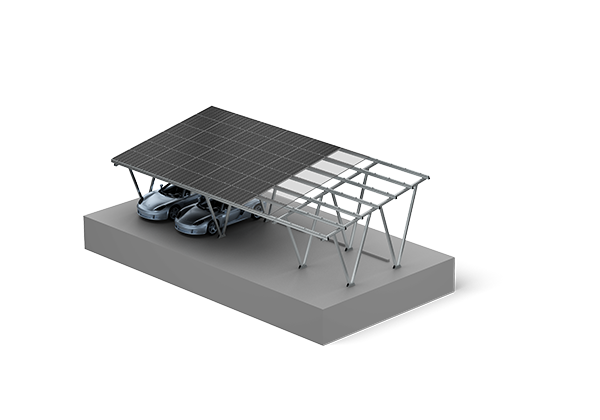
Large parking lots are essential parts of shopping centers, yet they are often exposed to intense sunlight, heavy rain, and changing weather conditions. These factors can affect visitor comfort before they even enter the retail space.
Waterproof solar carports offer a practical way to upgrade existing parking areas. By combining vehicle protection with solar power generation, they allow malls to improve the outdoor environment without giving up valuable commercial land.
The benefit extends beyond electricity production. A well-designed Antaisolar carport system can make parking more convenient, support EV charging needs, and create a stronger connection between sustainability initiatives and everyday customer experiences.
Many visitors form their first impression of a shopping mall before they enter the building. A crowded, uncomfortable, or poorly designed parking area can affect the mood of the entire visit.
During hot weather, customers returning to vehicles parked under direct sunlight often experience high interior temperatures. In rainy conditions, walking across an uncovered parking area can become inconvenient, especially for families, elderly visitors, or customers carrying shopping bags.
A covered parking solution addresses these everyday frustrations. By providing shade and weather protection, solar carports create a more comfortable transition between the vehicle and the retail environment.
This improvement may seem simple, but parking convenience is part of the overall service experience offered by a commercial property.
Shopping malls usually dedicate significant land to parking. These areas are essential but often generate value only when vehicles are present.
Installing solar carports changes how this space functions. The parking area continues serving visitors while also becoming a location for renewable energy production.
Unlike ground-mounted solar systems that require additional land, carport structures use existing parking footprints. This is particularly useful for urban commercial properties where expansion space is limited.
For mall owners, this approach can add energy generation while preserving much of the existing parking area for customer access and other site needs.
Customer demand at shopping malls often increases during weekends, holidays, and seasonal events. These periods also create greater pressure on parking facilities.
Covered parking can become especially valuable during busy periods when visitors may spend more time searching for available spaces or walking longer distances to entrances.
Shade protection helps reduce vehicle heat buildup during summer, while waterproof structures provide a more predictable experience during rainy days.
A more comfortable parking environment can support a smoother customer journey from arrival to departure, particularly for destinations where visitors spend several hours shopping, dining, or participating in entertainment activities.
Shopping centers are becoming important locations for electric vehicle charging because customers naturally spend time at these destinations.
Solar carports provide an effective foundation for integrating charging stations because electrical generation and vehicle parking occur in the same location.
Visitors can charge their vehicles while they shop, eat, or enjoy entertainment facilities. This turns charging time into a convenient part of the customer experience instead of an additional stop in their daily routine.
For mall operators, combining covered parking, solar power, and EV charging can create a more modern mobility service that matches changing consumer expectations.
A shopping mall parking structure cannot be designed like a typical industrial solar installation. The system must work around customer movement, vehicle circulation, and daily property operations.
Clear driving lanes, pedestrian pathways, emergency access, and parking management all need to remain efficient after installation.
Waterproof performance is another important consideration. A carport should effectively manage rainfall through proper drainage design instead of simply placing panels above vehicles.
For commercial properties, the best solar carport design is one that improves the parking experience without creating operational difficulties.
Modern consumers increasingly notice how businesses demonstrate environmental responsibility. However, sustainability features are most effective when they also provide practical benefits.
A solar carport is visible to every visitor entering the property. Unlike hidden energy systems, it allows customers to directly experience renewable infrastructure through improved parking conditions.
The structure can also contribute to a more modern appearance when integrated carefully with the surrounding architecture.
For shopping malls, this creates a connection between sustainability goals and everyday customer interaction.
Large shopping centers often have different parking layouts, traffic patterns, and site conditions. A successful solar carport project requires more than installing standard structures across available parking spaces.
The design should consider parking orientation, vehicle height requirements, local weather conditions, and future operational changes.
Working with experienced solar carport manufacturers helps developers create systems that match the specific requirements of commercial properties rather than applying a one-size-fits-all approach.
Shopping mall parking areas are more than spaces where customers leave their vehicles. They are part of the complete retail experience and can influence how visitors perceive the property.
Waterproof solar carports provide a practical way to improve parking comfort while creating additional energy value from existing space. Antaisolar supports commercial solar carport projects that combine functional design with renewable energy generation, helping shopping centers turn everyday infrastructure into a more valuable customer environment.
Large parking lots are essential parts of shopping centers, yet they are often exposed to intense sunlight, heavy rain, and changing weather conditions. These factors can affect visitor comfort before they even enter the retail space.
Waterproof solar carports offer a practical way to upgrade existing parking areas. By combining vehicle protection with solar power generation, they allow malls to improve the outdoor environment without giving up valuable commercial land.
The benefit extends beyond electricity production. A well-designed Antaisolar carport system can make parking more convenient, support EV charging needs, and create a stronger connection between sustainability initiatives and everyday customer experiences.
The Parking Lot as the First Customer Touchpoint
Many visitors form their first impression of a shopping mall before they enter the building. A crowded, uncomfortable, or poorly designed parking area can affect the mood of the entire visit.
During hot weather, customers returning to vehicles parked under direct sunlight often experience high interior temperatures. In rainy conditions, walking across an uncovered parking area can become inconvenient, especially for families, elderly visitors, or customers carrying shopping bags.
A covered parking solution addresses these everyday frustrations. By providing shade and weather protection, solar carports create a more comfortable transition between the vehicle and the retail environment.
This improvement may seem simple, but parking convenience is part of the overall service experience offered by a commercial property.
Making Large Parking Areas More Useful
Shopping malls usually dedicate significant land to parking. These areas are essential but often generate value only when vehicles are present.
Installing solar carports changes how this space functions. The parking area continues serving visitors while also becoming a location for renewable energy production.
Unlike ground-mounted solar systems that require additional land, carport structures use existing parking footprints. This is particularly useful for urban commercial properties where expansion space is limited.
For mall owners, this approach can add energy generation while preserving much of the existing parking area for customer access and other site needs.
Improving Comfort During Peak Shopping Periods
Customer demand at shopping malls often increases during weekends, holidays, and seasonal events. These periods also create greater pressure on parking facilities.
Covered parking can become especially valuable during busy periods when visitors may spend more time searching for available spaces or walking longer distances to entrances.
Shade protection helps reduce vehicle heat buildup during summer, while waterproof structures provide a more predictable experience during rainy days.
A more comfortable parking environment can support a smoother customer journey from arrival to departure, particularly for destinations where visitors spend several hours shopping, dining, or participating in entertainment activities.
Supporting Electric Vehicle Charging Growth
Shopping centers are becoming important locations for electric vehicle charging because customers naturally spend time at these destinations.
Solar carports provide an effective foundation for integrating charging stations because electrical generation and vehicle parking occur in the same location.
Visitors can charge their vehicles while they shop, eat, or enjoy entertainment facilities. This turns charging time into a convenient part of the customer experience instead of an additional stop in their daily routine.
For mall operators, combining covered parking, solar power, and EV charging can create a more modern mobility service that matches changing consumer expectations.
Designing Solar Carports Around Retail Operations
A shopping mall parking structure cannot be designed like a typical industrial solar installation. The system must work around customer movement, vehicle circulation, and daily property operations.
Clear driving lanes, pedestrian pathways, emergency access, and parking management all need to remain efficient after installation.
Waterproof performance is another important consideration. A carport should effectively manage rainfall through proper drainage design instead of simply placing panels above vehicles.
For commercial properties, the best solar carport design is one that improves the parking experience without creating operational difficulties.
Creating a More Attractive Commercial Environment
Modern consumers increasingly notice how businesses demonstrate environmental responsibility. However, sustainability features are most effective when they also provide practical benefits.
A solar carport is visible to every visitor entering the property. Unlike hidden energy systems, it allows customers to directly experience renewable infrastructure through improved parking conditions.
The structure can also contribute to a more modern appearance when integrated carefully with the surrounding architecture.
For shopping malls, this creates a connection between sustainability goals and everyday customer interaction.
Choosing the Right Design Approach for Large Retail Sites
Large shopping centers often have different parking layouts, traffic patterns, and site conditions. A successful solar carport project requires more than installing standard structures across available parking spaces.
The design should consider parking orientation, vehicle height requirements, local weather conditions, and future operational changes.
Working with experienced solar carport manufacturers helps developers create systems that match the specific requirements of commercial properties rather than applying a one-size-fits-all approach.
Conclusion
Shopping mall parking areas are more than spaces where customers leave their vehicles. They are part of the complete retail experience and can influence how visitors perceive the property.
Waterproof solar carports provide a practical way to improve parking comfort while creating additional energy value from existing space. Antaisolar supports commercial solar carport projects that combine functional design with renewable energy generation, helping shopping centers turn everyday infrastructure into a more valuable customer environment.
end