
How Wind Tunnel Testing Improves Vertical Solar Panel Mounting Design
June 14, 2026
Vertical photovoltaic systems create a different aerodynamic challenge compared with conventional tilted solar arrays. Because modules are positioned upright, wind interacts with the panel surface, support structure, and surrounding rows in a unique way.
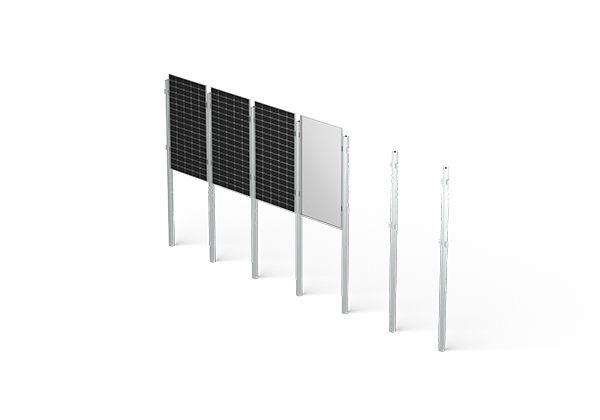
For large-scale projects, estimating wind loads through basic calculations alone may not fully capture the actual behavior of a vertical array. Airflow around PV rows can create uneven pressure distribution, turbulence effects, and load variations between different positions within the field.
This is why wind tunnel testing has become an important engineering tool for advanced solar mounting design. By analyzing scaled models under controlled wind conditions, engineers can better understand how solar panel vertical mounting systems respond before construction begins.
A vertical PV module does not experience wind pressure in the same way as a tilted panel. The upright orientation creates a larger interaction area with horizontal airflow, especially during strong wind events.
The challenge is not simply determining the maximum wind speed at a project location. Engineers also need to understand how wind forces move through the array.
For example, the first row exposed to incoming wind may experience different pressure compared with rows positioned behind it. Wake effects, turbulence, and shielding between modules can change the actual forces acting on different parts of the structure.
These aerodynamic differences make vertical systems more dependent on detailed analysis of array configuration and surrounding conditions.
Wind tunnel testing conducted by specialized engineering organizations such as CPP Wind provides insight into how solar structures behave under realistic airflow conditions.
During testing, engineers create scaled physical models of the PV array and place them inside a controlled wind environment. The model represents important project characteristics, including module arrangement, row spacing, terrain category, and wind direction.
Sensors measure pressure and force responses at different locations on the structure. The collected data helps identify areas where wind loads are concentrated and where structural reinforcement may be required.
Rather than applying a single wind coefficient to an entire project, wind tunnel results provide a more detailed understanding of how the complete array interacts with airflow.
Wind tunnel results are valuable because they directly influence engineering decisions.
One important application is optimizing structural components. Engineers can determine whether certain areas require additional reinforcement or whether some parts can be simplified without reducing safety.
For vertical solar panel mounting systems, this may affect the design of posts, rails, connection points, and foundation requirements.
The objective is not to create the strongest possible structure regardless of cost. Instead, engineers use aerodynamic data to achieve an efficient design that matches real loading conditions.
Wind performance depends heavily on how vertical modules are arranged across the site.
Row spacing is one of the most influential parameters. When rows are positioned close together, airflow patterns become more complex because upstream modules affect the wind reaching downstream rows.
Module height can also influence pressure distribution. A higher structure may experience different wind exposure compared with a lower installation, particularly in open landscapes.
Orientation is another important factor. Changes in wind direction relative to the module surface can significantly alter the forces acting on the structure.
Because these variables interact with each other, wind analysis must evaluate the complete layout rather than individual mounting units.
Without detailed wind analysis, engineers often need to rely on conservative assumptions. While this approach can provide safety margins, it may result in unnecessary material use.
For large solar developments, excessive structural reinforcement can increase costs through additional steel, transportation requirements, and installation effort.
Wind tunnel testing helps reduce uncertainty by providing project-specific information. The resulting design can better match actual environmental conditions instead of using generalized assumptions.
This creates a more balanced relationship between structural safety and economic efficiency.
Wind loads ultimately transfer from the module surface through the mounting structure and into the foundation.
For vertical systems, accurate load transfer analysis is particularly important because wind forces can create significant overturning moments at support points.
Foundation design must consider the forces identified through aerodynamic analysis. Soil conditions, pile dimensions, and installation methods all influence how effectively the system resists wind loading.
A complete engineering approach connects wind tunnel results with structural calculations and foundation design rather than treating them as separate processes.
Not every solar project requires the same level of aerodynamic testing. The need depends on project scale, location, structural complexity, and environmental conditions.
Wind tunnel validation becomes especially valuable for projects with:
For developers planning advanced vertical installations, early aerodynamic analysis can prevent costly redesigns during later construction stages.
Wind tunnel testing is becoming more valuable as vertical PV projects move into more complex environments. Instead of relying only on standard load assumptions, engineers can use measured aerodynamic data to refine module spacing, structural dimensions, and foundation requirements.
The combination of physical testing and digital simulation allows designers to evaluate more scenarios before construction begins. This approach helps reduce uncertainty in projects where wind exposure, terrain conditions, and array configuration create unique challenges.
For vertical solar panel mounting systems, better wind engineering means more than improving resistance against extreme weather. It provides a pathway toward structures that are accurately optimized for real operating conditions.
Wind behavior is one of the defining engineering challenges of vertical photovoltaic systems. Understanding how airflow interacts with module rows, structural components, and foundations is essential for creating efficient and reliable designs.
By using engineering analysis to help with projects where structure optimization and site adaptability are very important, Antaisolar builds aerodynamics into vertical mounting solutions. Insights gained in wind tunnels are useful for making PV systems that are based on real environmental conditions instead of theories.
For large-scale projects, estimating wind loads through basic calculations alone may not fully capture the actual behavior of a vertical array. Airflow around PV rows can create uneven pressure distribution, turbulence effects, and load variations between different positions within the field.
This is why wind tunnel testing has become an important engineering tool for advanced solar mounting design. By analyzing scaled models under controlled wind conditions, engineers can better understand how solar panel vertical mounting systems respond before construction begins.
Why Vertical Arrays Need Specialized Wind Analysis
A vertical PV module does not experience wind pressure in the same way as a tilted panel. The upright orientation creates a larger interaction area with horizontal airflow, especially during strong wind events.
The challenge is not simply determining the maximum wind speed at a project location. Engineers also need to understand how wind forces move through the array.
For example, the first row exposed to incoming wind may experience different pressure compared with rows positioned behind it. Wake effects, turbulence, and shielding between modules can change the actual forces acting on different parts of the structure.
These aerodynamic differences make vertical systems more dependent on detailed analysis of array configuration and surrounding conditions.
What CPP Wind Tunnel Studies Reveal About PV Wind Behavior
Wind tunnel testing conducted by specialized engineering organizations such as CPP Wind provides insight into how solar structures behave under realistic airflow conditions.
During testing, engineers create scaled physical models of the PV array and place them inside a controlled wind environment. The model represents important project characteristics, including module arrangement, row spacing, terrain category, and wind direction.
Sensors measure pressure and force responses at different locations on the structure. The collected data helps identify areas where wind loads are concentrated and where structural reinforcement may be required.
Rather than applying a single wind coefficient to an entire project, wind tunnel results provide a more detailed understanding of how the complete array interacts with airflow.
Translating Wind Tunnel Data Into Structural Design
Wind tunnel results are valuable because they directly influence engineering decisions.
One important application is optimizing structural components. Engineers can determine whether certain areas require additional reinforcement or whether some parts can be simplified without reducing safety.
For vertical solar panel mounting systems, this may affect the design of posts, rails, connection points, and foundation requirements.
The objective is not to create the strongest possible structure regardless of cost. Instead, engineers use aerodynamic data to achieve an efficient design that matches real loading conditions.
How Array Configuration Changes Wind Response
Wind performance depends heavily on how vertical modules are arranged across the site.
Row spacing is one of the most influential parameters. When rows are positioned close together, airflow patterns become more complex because upstream modules affect the wind reaching downstream rows.
Module height can also influence pressure distribution. A higher structure may experience different wind exposure compared with a lower installation, particularly in open landscapes.
Orientation is another important factor. Changes in wind direction relative to the module surface can significantly alter the forces acting on the structure.
Because these variables interact with each other, wind analysis must evaluate the complete layout rather than individual mounting units.
Reducing Overdesign Through Accurate Wind Data
Without detailed wind analysis, engineers often need to rely on conservative assumptions. While this approach can provide safety margins, it may result in unnecessary material use.
For large solar developments, excessive structural reinforcement can increase costs through additional steel, transportation requirements, and installation effort.
Wind tunnel testing helps reduce uncertainty by providing project-specific information. The resulting design can better match actual environmental conditions instead of using generalized assumptions.
This creates a more balanced relationship between structural safety and economic efficiency.
Connecting Wind Testing With Foundation Engineering
Wind loads ultimately transfer from the module surface through the mounting structure and into the foundation.
For vertical systems, accurate load transfer analysis is particularly important because wind forces can create significant overturning moments at support points.
Foundation design must consider the forces identified through aerodynamic analysis. Soil conditions, pile dimensions, and installation methods all influence how effectively the system resists wind loading.
A complete engineering approach connects wind tunnel results with structural calculations and foundation design rather than treating them as separate processes.
When Developers Should Consider Wind Tunnel Validation
Not every solar project requires the same level of aerodynamic testing. The need depends on project scale, location, structural complexity, and environmental conditions.
Wind tunnel validation becomes especially valuable for projects with:
- Large vertical PV arrays
- High wind exposure
- Complex terrain
- Unique row configurations
- Limited tolerance for structural uncertainty
For developers planning advanced vertical installations, early aerodynamic analysis can prevent costly redesigns during later construction stages.
From Wind Tunnel Data to Smarter Vertical PV Design
Wind tunnel testing is becoming more valuable as vertical PV projects move into more complex environments. Instead of relying only on standard load assumptions, engineers can use measured aerodynamic data to refine module spacing, structural dimensions, and foundation requirements.
The combination of physical testing and digital simulation allows designers to evaluate more scenarios before construction begins. This approach helps reduce uncertainty in projects where wind exposure, terrain conditions, and array configuration create unique challenges.
For vertical solar panel mounting systems, better wind engineering means more than improving resistance against extreme weather. It provides a pathway toward structures that are accurately optimized for real operating conditions.
Conclusion
Wind behavior is one of the defining engineering challenges of vertical photovoltaic systems. Understanding how airflow interacts with module rows, structural components, and foundations is essential for creating efficient and reliable designs.
By using engineering analysis to help with projects where structure optimization and site adaptability are very important, Antaisolar builds aerodynamics into vertical mounting solutions. Insights gained in wind tunnels are useful for making PV systems that are based on real environmental conditions instead of theories.
end