
How Rear-Side Shading Influences Energy Yield in Vertical Bifacial Solar Panel Systems
June 13, 2026
Vertical installation has become an increasingly interesting option for bifacial photovoltaic projects, especially in applications where land usage, agricultural compatibility, wind conditions, or east-west generation profiles are important considerations. Unlike conventional tilted arrays, vertical PV layouts expose both sides of the module to sunlight at different times of the day.
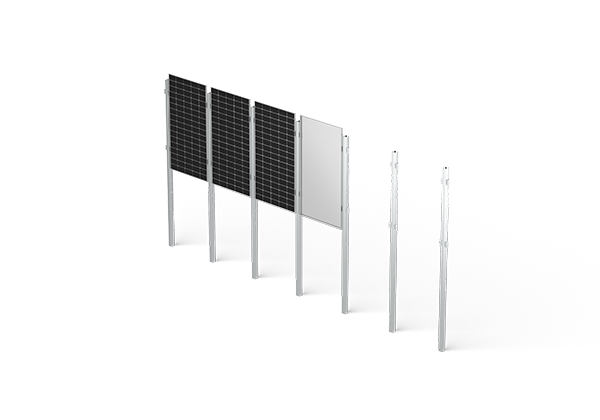
However, the additional generation potential of bifacial modules depends heavily on how much usable light reaches the rear surface. A major factor affecting performance is rear-side shading, which can reduce the amount of irradiance available for electricity production.
It is crucial for developers to understand the behaviour of rear-side shadowing while selecting bifacial solar panels vertical mount. To what extent the back side can produce energy depends on the mounting structure, row spacing, ground conditions, and environmental factors.
Bifacial modules generate electricity from both the front and rear surfaces. The rear side does not rely only on direct sunlight; it also captures reflected and diffuse light from the surrounding environment.
In vertical installations, the two module faces usually operate at different times of the day. One side receives stronger morning sunlight, while the opposite side can benefit from afternoon irradiance. This characteristic allows vertical systems to create a more balanced generation profile compared with traditional south-facing layouts.
However, the rear surface can only contribute additional energy when sufficient light reaches the cells. Any obstruction between the module and the surrounding light environment can reduce bifacial gain.
Rear-side shading does not come from a single source. It can result from the mounting structure itself, neighboring rows, nearby objects, or terrain features.
Structural components such as rails, supports, and clamps may block part of the rear surface. Although these components occupy a smaller area than the module itself, their position can influence local shading patterns and create uneven irradiance across the cells.
Row-to-row shading is another important consideration. When vertical modules are installed too closely together, one row may reduce the amount of reflected or diffuse light reaching the rear side of another row. Research on bifacial systems shows that mutual shading between rows can reduce expected energy gains compared with isolated module conditions.
The surrounding environment also matters. Trees, buildings, terrain changes, and other structures can cast shadows that affect rear-side performance during specific periods of the day.
Row spacing is one of the most influential design parameters for vertical bifacial systems.
A narrow layout may allow more installed capacity per land area, but it can limit the rear-side light environment. When rows are positioned too close together, reflected sunlight from the ground has fewer opportunities to reach the back of the modules.
Increasing spacing can improve light access, but it also requires more land. Developers must balance energy gain with land availability and project economics.
The ideal spacing depends on geographic location, module height, ground reflectivity, and the expected generation profile. A design optimized for one site may not produce the same results in another environment.
The surface beneath a vertical bifacial array plays an important role in rear-side energy generation.
Ground reflectivity, also known as albedo, determines how much sunlight is reflected upward toward the rear of the module. Bright surfaces such as light-colored gravel or snow can provide stronger reflected irradiance compared with darker surfaces.
For vertical systems, ground design can become part of the overall energy strategy. The interaction between module height, row arrangement, and ground reflection affects how effectively rear-side cells receive additional light.
Developers should evaluate the existing site conditions rather than assuming that every location will provide the same bifacial benefit.
The racking structure itself plays an important role in minimizing unnecessary rear-side obstruction.
A well-designed vertical mounting system should provide secure module support while avoiding excessive coverage of the rear surface. Component placement, attachment methods, and structural configuration can influence how much active cell area remains exposed.
Reducing structural shading does not mean eliminating all support components. Instead, the objective is to create an optimized balance between mechanical strength and light availability.
For large commercial projects, even small improvements in rear-side exposure can influence annual energy production because thousands of modules operate under the same design conditions.
One advantage of vertical bifacial systems is that their generation profile can differ from conventional PV layouts.
Traditional fixed-tilt systems often produce their highest output around midday when solar irradiance is strongest. Vertical east-west configurations can shift some production toward morning and afternoon periods, which may better match certain electricity demand patterns.
This characteristic can be valuable in markets where electricity prices vary throughout the day. However, the final yield depends on avoiding excessive shading losses and designing the system according to local solar conditions.
Developers should evaluate vertical bifacial projects through a complete system perspective. Module technology, mounting design, site characteristics, and energy modeling need to work together.
Simulation tools can help estimate rear-side irradiance and identify potential shading issues before construction begins. These analyses allow engineers to optimize row spacing, orientation, and structural configuration.
A successful design does not simply maximize the number of installed modules. It creates an environment where both sides of the bifacial module can contribute effectively throughout the year.
Rear-side shading is not only an energy calculation issue; it is a design challenge that affects the overall value of a bifacial project.
Reducing unnecessary shading improves the utilization of the module’s rear surface and helps developers capture more of the available solar resource. Careful planning during the design stage can prevent performance losses that are difficult to correct after installation.
As vertical PV applications expand, system optimization will become increasingly important for achieving reliable energy output from limited land areas.
Rear-side shading has a direct impact on the performance of vertical bifacial solar installations. While vertical layouts provide new opportunities for land-efficient PV development and balanced generation profiles, their success depends on managing the interaction between modules, structures, spacing, and surrounding conditions.
In order to facilitate bifacial applications, Antaisolar creates vertical mounting systems that prioritise structural performance and energy optimisation. Vertical photovoltaic systems can be more effective in a variety of project settings by combining technical best practices with site-specific design considerations.
However, the additional generation potential of bifacial modules depends heavily on how much usable light reaches the rear surface. A major factor affecting performance is rear-side shading, which can reduce the amount of irradiance available for electricity production.
It is crucial for developers to understand the behaviour of rear-side shadowing while selecting bifacial solar panels vertical mount. To what extent the back side can produce energy depends on the mounting structure, row spacing, ground conditions, and environmental factors.
Why Rear-Side Irradiance Matters in Vertical Bifacial Designs
Bifacial modules generate electricity from both the front and rear surfaces. The rear side does not rely only on direct sunlight; it also captures reflected and diffuse light from the surrounding environment.
In vertical installations, the two module faces usually operate at different times of the day. One side receives stronger morning sunlight, while the opposite side can benefit from afternoon irradiance. This characteristic allows vertical systems to create a more balanced generation profile compared with traditional south-facing layouts.
However, the rear surface can only contribute additional energy when sufficient light reaches the cells. Any obstruction between the module and the surrounding light environment can reduce bifacial gain.
How Rear-Side Shading Occurs in Vertical Mount Layouts
Rear-side shading does not come from a single source. It can result from the mounting structure itself, neighboring rows, nearby objects, or terrain features.
Structural components such as rails, supports, and clamps may block part of the rear surface. Although these components occupy a smaller area than the module itself, their position can influence local shading patterns and create uneven irradiance across the cells.
Row-to-row shading is another important consideration. When vertical modules are installed too closely together, one row may reduce the amount of reflected or diffuse light reaching the rear side of another row. Research on bifacial systems shows that mutual shading between rows can reduce expected energy gains compared with isolated module conditions.
The surrounding environment also matters. Trees, buildings, terrain changes, and other structures can cast shadows that affect rear-side performance during specific periods of the day.
The Relationship Between Row Spacing and Rear-Side Energy Capture
Row spacing is one of the most influential design parameters for vertical bifacial systems.
A narrow layout may allow more installed capacity per land area, but it can limit the rear-side light environment. When rows are positioned too close together, reflected sunlight from the ground has fewer opportunities to reach the back of the modules.
Increasing spacing can improve light access, but it also requires more land. Developers must balance energy gain with land availability and project economics.
The ideal spacing depends on geographic location, module height, ground reflectivity, and the expected generation profile. A design optimized for one site may not produce the same results in another environment.
Ground Conditions and Their Effect on Rear-Side Performance
The surface beneath a vertical bifacial array plays an important role in rear-side energy generation.
Ground reflectivity, also known as albedo, determines how much sunlight is reflected upward toward the rear of the module. Bright surfaces such as light-colored gravel or snow can provide stronger reflected irradiance compared with darker surfaces.
For vertical systems, ground design can become part of the overall energy strategy. The interaction between module height, row arrangement, and ground reflection affects how effectively rear-side cells receive additional light.
Developers should evaluate the existing site conditions rather than assuming that every location will provide the same bifacial benefit.
Designing Mounting Structures to Reduce Shading Loss
The racking structure itself plays an important role in minimizing unnecessary rear-side obstruction.
A well-designed vertical mounting system should provide secure module support while avoiding excessive coverage of the rear surface. Component placement, attachment methods, and structural configuration can influence how much active cell area remains exposed.
Reducing structural shading does not mean eliminating all support components. Instead, the objective is to create an optimized balance between mechanical strength and light availability.
For large commercial projects, even small improvements in rear-side exposure can influence annual energy production because thousands of modules operate under the same design conditions.
How Vertical Layout Changes Yield Patterns
One advantage of vertical bifacial systems is that their generation profile can differ from conventional PV layouts.
Traditional fixed-tilt systems often produce their highest output around midday when solar irradiance is strongest. Vertical east-west configurations can shift some production toward morning and afternoon periods, which may better match certain electricity demand patterns.
This characteristic can be valuable in markets where electricity prices vary throughout the day. However, the final yield depends on avoiding excessive shading losses and designing the system according to local solar conditions.
Engineering Considerations for Commercial Projects
Developers should evaluate vertical bifacial projects through a complete system perspective. Module technology, mounting design, site characteristics, and energy modeling need to work together.
Simulation tools can help estimate rear-side irradiance and identify potential shading issues before construction begins. These analyses allow engineers to optimize row spacing, orientation, and structural configuration.
A successful design does not simply maximize the number of installed modules. It creates an environment where both sides of the bifacial module can contribute effectively throughout the year.
Improving Long-Term Yield Through Better System Design
Rear-side shading is not only an energy calculation issue; it is a design challenge that affects the overall value of a bifacial project.
Reducing unnecessary shading improves the utilization of the module’s rear surface and helps developers capture more of the available solar resource. Careful planning during the design stage can prevent performance losses that are difficult to correct after installation.
As vertical PV applications expand, system optimization will become increasingly important for achieving reliable energy output from limited land areas.
Conclusion
Rear-side shading has a direct impact on the performance of vertical bifacial solar installations. While vertical layouts provide new opportunities for land-efficient PV development and balanced generation profiles, their success depends on managing the interaction between modules, structures, spacing, and surrounding conditions.
In order to facilitate bifacial applications, Antaisolar creates vertical mounting systems that prioritise structural performance and energy optimisation. Vertical photovoltaic systems can be more effective in a variety of project settings by combining technical best practices with site-specific design considerations.
end