
A Commercial Developer’s Guide to Understanding Ground Mount Solar Racking Terminology
June 12, 2026
For commercial solar developers, reviewing a ground-mounted PV proposal often involves dozens of technical terms related to structures, foundations, loading, and installation methods. These terms appear in engineering drawings, supplier quotations, and project specifications, but misunderstanding them can create costly design changes later.
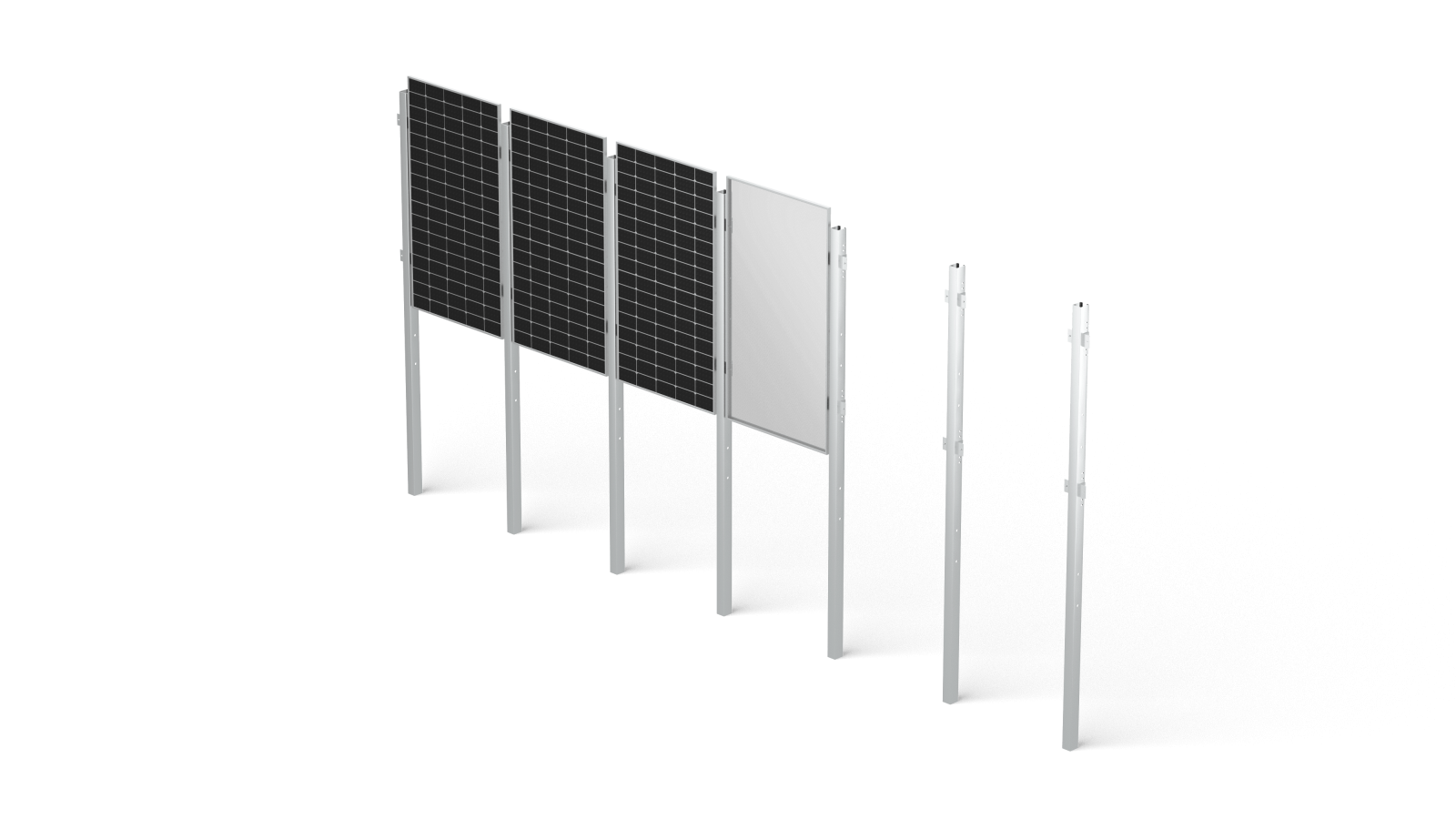
A clear understanding of racking terminology helps developers communicate effectively with EPC contractors, engineers, and suppliers. It also makes it easier to evaluate whether a proposed system matches project requirements rather than simply comparing equipment prices.
Choosing the right ground mount solar racking supplier requires more than checking product specifications. Developers need to understand how structural terms relate to project performance, construction efficiency, and long-term reliability.
Solar mounting systems are often considered a supporting element, but they influence many important aspects of a PV project. The structure determines module positioning, land utilization, installation workflow, and how effectively the array handles environmental loads.
During early development stages, unfamiliar terminology can lead to communication gaps. For example, a developer may compare two suppliers offering different foundation solutions without fully understanding how soil conditions affect the design choice.
Technical vocabulary provides a common language between all project participants. When developers understand the meaning behind key terms, they can ask better questions and make more informed decisions before construction begins.
The foundation system is one of the first areas developers should understand because it connects the solar array to the site itself.
A foundation pile refers to the structural element installed into the ground to support the racking system. Depending on soil conditions and project requirements, piles may be driven directly into the ground or installed using alternative methods.
Pile depth describes how far the foundation extends below the surface. This measurement is not selected randomly; it depends on factors such as soil strength, wind loads, and structural calculations.
Another commonly used term is soil investigation. Before finalizing a mounting design, engineers analyze ground characteristics to determine whether the proposed foundation method can provide sufficient stability.
For developers, these terms are important because foundation decisions directly influence construction costs, installation speed, and long-term structural performance.
Once the foundation is established, the upper structure supports and positions the solar modules.
The column or post is the vertical member connecting the foundation to the main support structure. Its height affects module clearance, maintenance access, and array configuration.
A beam is a horizontal structural component that transfers loads between support points. It helps distribute forces created by module weight, wind pressure, and other environmental conditions.
The rail is the component that directly supports the PV modules. Module clamps attach to the rail, securing panels in their designed position.
These components work together as a complete structural system. Commercial developers should avoid evaluating individual parts separately because overall performance depends on how well all elements are integrated.
Several technical terms frequently appear in solar racking documents because they affect energy production and structural safety.
Tilt angle refers to the angle at which modules are installed relative to the horizontal plane. It influences solar exposure, shading behavior, and project layout.
Row spacing describes the distance between adjacent rows of solar panels. Proper spacing helps manage shading while providing sufficient access for construction and maintenance activities.
Wind load and snow load represent the environmental forces considered during structural design. These values vary depending on project location and local regulations.
Developers should pay close attention to these terms because they determine whether a system is designed for actual site conditions rather than a standard environment.
A racking solution may appear suitable on paper, but installation requirements can significantly affect project schedules and labor costs.
Pre-assembly refers to preparing certain components before they arrive at the construction site. Higher levels of pre-assembly can reduce field work and simplify installation procedures.
Module layout describes how panels are arranged across the project area. The layout influences material usage, land efficiency, and construction planning.
Component compatibility refers to whether different structural parts work together without requiring additional modifications. Poor compatibility can slow installation and increase labor requirements.
When evaluating a ground mount solar racking supplier, developers should consider not only the engineering design but also how easily the system can be installed in real project conditions.
Beyond structural vocabulary, developers often encounter terms related to manufacturing and supplier capability.
Load testing refers to evaluating whether a structure can withstand expected forces under controlled conditions. It provides confidence that the design performs according to engineering requirements.
Material certification confirms that structural materials meet specified quality standards. For aluminum or steel components, material properties can affect durability and mechanical performance.
Customization capability describes whether a supplier can adjust designs based on terrain, climate conditions, or project-specific requirements.
These terms help developers identify whether a supplier provides a complete engineering solution or only delivers standard components.
One common mistake is focusing only on familiar terms such as material type or product weight while ignoring engineering factors behind system performance.
Another mistake is assuming that similar-looking racking systems provide identical value. Two structures may use similar materials but differ significantly in foundation design, installation method, and long-term reliability.
Developers should also avoid selecting suppliers without understanding technical documentation. Reviewing drawings, load calculations, and installation requirements can reveal important differences between competing solutions.
A strong understanding of racking terminology allows commercial developers to move beyond simple product comparisons. It creates a clearer picture of how a mounting system fits into the overall project strategy.
The right supplier should provide not only hardware but also engineering support that helps solve site-specific challenges. This approach reduces uncertainty during development and improves confidence throughout construction.
Ground-mounted solar projects involve many technical terms that describe everything from foundations and structural members to installation methods and engineering requirements. Understanding these terms helps developers communicate more effectively and evaluate racking solutions with greater accuracy.
Ground mounting solutions from Antaisolar are intended to fit a variety of project settings and development requirements. To ensure dependable PV performance during building and operation for the long term, developers must combine structural knowledge with practical installation concerns when choosing racking solutions.
A clear understanding of racking terminology helps developers communicate effectively with EPC contractors, engineers, and suppliers. It also makes it easier to evaluate whether a proposed system matches project requirements rather than simply comparing equipment prices.
Choosing the right ground mount solar racking supplier requires more than checking product specifications. Developers need to understand how structural terms relate to project performance, construction efficiency, and long-term reliability.
Why Racking Terminology Matters During Project Planning
Solar mounting systems are often considered a supporting element, but they influence many important aspects of a PV project. The structure determines module positioning, land utilization, installation workflow, and how effectively the array handles environmental loads.
During early development stages, unfamiliar terminology can lead to communication gaps. For example, a developer may compare two suppliers offering different foundation solutions without fully understanding how soil conditions affect the design choice.
Technical vocabulary provides a common language between all project participants. When developers understand the meaning behind key terms, they can ask better questions and make more informed decisions before construction begins.
Terms Used When Discussing Ground Conditions and Foundations
The foundation system is one of the first areas developers should understand because it connects the solar array to the site itself.
A foundation pile refers to the structural element installed into the ground to support the racking system. Depending on soil conditions and project requirements, piles may be driven directly into the ground or installed using alternative methods.
Pile depth describes how far the foundation extends below the surface. This measurement is not selected randomly; it depends on factors such as soil strength, wind loads, and structural calculations.
Another commonly used term is soil investigation. Before finalizing a mounting design, engineers analyze ground characteristics to determine whether the proposed foundation method can provide sufficient stability.
For developers, these terms are important because foundation decisions directly influence construction costs, installation speed, and long-term structural performance.
Structural Terms That Appear in Racking Proposals
Once the foundation is established, the upper structure supports and positions the solar modules.
The column or post is the vertical member connecting the foundation to the main support structure. Its height affects module clearance, maintenance access, and array configuration.
A beam is a horizontal structural component that transfers loads between support points. It helps distribute forces created by module weight, wind pressure, and other environmental conditions.
The rail is the component that directly supports the PV modules. Module clamps attach to the rail, securing panels in their designed position.
These components work together as a complete structural system. Commercial developers should avoid evaluating individual parts separately because overall performance depends on how well all elements are integrated.
Engineering Terms Related to System Performance
Several technical terms frequently appear in solar racking documents because they affect energy production and structural safety.
Tilt angle refers to the angle at which modules are installed relative to the horizontal plane. It influences solar exposure, shading behavior, and project layout.
Row spacing describes the distance between adjacent rows of solar panels. Proper spacing helps manage shading while providing sufficient access for construction and maintenance activities.
Wind load and snow load represent the environmental forces considered during structural design. These values vary depending on project location and local regulations.
Developers should pay close attention to these terms because they determine whether a system is designed for actual site conditions rather than a standard environment.
Installation Terms That Affect Construction Efficiency
A racking solution may appear suitable on paper, but installation requirements can significantly affect project schedules and labor costs.
Pre-assembly refers to preparing certain components before they arrive at the construction site. Higher levels of pre-assembly can reduce field work and simplify installation procedures.
Module layout describes how panels are arranged across the project area. The layout influences material usage, land efficiency, and construction planning.
Component compatibility refers to whether different structural parts work together without requiring additional modifications. Poor compatibility can slow installation and increase labor requirements.
When evaluating a ground mount solar racking supplier, developers should consider not only the engineering design but also how easily the system can be installed in real project conditions.
Supplier Evaluation Terms Developers Should Recognize
Beyond structural vocabulary, developers often encounter terms related to manufacturing and supplier capability.
Load testing refers to evaluating whether a structure can withstand expected forces under controlled conditions. It provides confidence that the design performs according to engineering requirements.
Material certification confirms that structural materials meet specified quality standards. For aluminum or steel components, material properties can affect durability and mechanical performance.
Customization capability describes whether a supplier can adjust designs based on terrain, climate conditions, or project-specific requirements.
These terms help developers identify whether a supplier provides a complete engineering solution or only delivers standard components.
Common Terminology Mistakes During Supplier Comparison
One common mistake is focusing only on familiar terms such as material type or product weight while ignoring engineering factors behind system performance.
Another mistake is assuming that similar-looking racking systems provide identical value. Two structures may use similar materials but differ significantly in foundation design, installation method, and long-term reliability.
Developers should also avoid selecting suppliers without understanding technical documentation. Reviewing drawings, load calculations, and installation requirements can reveal important differences between competing solutions.
Building Better Decisions Through Technical Understanding
A strong understanding of racking terminology allows commercial developers to move beyond simple product comparisons. It creates a clearer picture of how a mounting system fits into the overall project strategy.
The right supplier should provide not only hardware but also engineering support that helps solve site-specific challenges. This approach reduces uncertainty during development and improves confidence throughout construction.
Conclusion
Ground-mounted solar projects involve many technical terms that describe everything from foundations and structural members to installation methods and engineering requirements. Understanding these terms helps developers communicate more effectively and evaluate racking solutions with greater accuracy.
Ground mounting solutions from Antaisolar are intended to fit a variety of project settings and development requirements. To ensure dependable PV performance during building and operation for the long term, developers must combine structural knowledge with practical installation concerns when choosing racking solutions.
end