
A Technical Guide to Hot-Dip Galvanizing Standards for Steel Solar Carport Frames
June 16, 2026
Steel solar carport frames must maintain structural strength while facing years of outdoor exposure. Unlike indoor steel applications, solar carport structures are continuously affected by rain, humidity, UV radiation, airborne salts, and industrial pollutants. Without effective corrosion protection, steel components may experience surface degradation that can affect safety and maintenance costs.
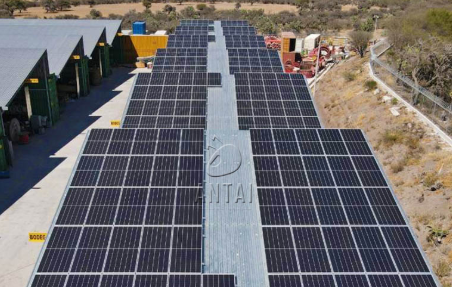
Hot-dip galvanizing is one of the most widely used protection methods for steel solar mounting structures because it creates a durable zinc coating that shields the base material from corrosion. However, not all galvanized coatings provide the same level of protection. Coating thickness, surface preparation, inspection methods, and compliance with international standards all influence the final performance.
To make sure the steel frames chosen are appropriate for the project's environment and planned service life, developers should be familiar with the galvanising requirements set out by ISO and ASTM. This will help them evaluate manufacturers of solar carport structures.
Solar carports are generally installed in exposed locations such as commercial parking areas, factories, transportation facilities, and public infrastructure sites. The steel frame must support photovoltaic modules while resisting environmental stress for decades.
Hot-dip galvanizing protects steel through a zinc coating formed by immersing fabricated steel parts into molten zinc. The zinc reacts with the steel surface to form zinc-iron alloy layers, typically covered by an outer layer that is predominantly zinc. This structure provides both physical protection and electrochemical protection.
Unlike paint coatings that mainly create a surface barrier, galvanized coatings can continue protecting steel even when minor scratches or surface damage occur. This characteristic is especially valuable for solar carport frames because repair access can become difficult after installation.
ISO 1461 is one of the most recognized standards for hot-dip galvanized coatings on fabricated iron and steel products. It defines requirements for coating characteristics, minimum coating thickness, inspection procedures, and acceptance criteria.
For solar carport frames, ISO 1461 provides a reference for ensuring that galvanized components receive sufficient zinc protection based on steel thickness. Heavier steel sections generally require different coating specifications compared with thinner components because the galvanizing reaction depends on the steel material.
The standard also addresses coating appearance and continuity. A galvanized surface should provide complete coverage without defects that could compromise corrosion resistance. While visual inspection cannot determine full performance, it is an important first step in quality evaluation.
ASTM A123/A123M is another widely applied specification for hot-dip galvanizing structural steel products. It establishes requirements for coating weight, thickness, testing, and inspection.
In international solar projects, ASTM specifications are often referenced when customers require North American standards or specific engineering documentation. The standard helps project teams confirm that galvanized steel components meet defined quality levels before shipment.
Although ISO 1461 and ASTM A123/A123M have similar objectives, they use different measurement systems and acceptance criteria. Project owners should confirm which standard applies during the early design stage to avoid inconsistencies between supplier documentation, engineering requirements, and local regulations.
Coating thickness is one of the most important factors affecting the service life of galvanized steel. A thicker zinc layer generally provides longer protection because more material is available to gradually corrode before the steel substrate becomes exposed.
However, maximum thickness is not always the only goal. The required coating level should match the actual environmental conditions. For example, a solar carport located in a dry inland region may have different corrosion requirements from a structure installed near seawater.
Experienced solar carport structures manufacturers evaluate project location, climate conditions, and expected maintenance plans before determining suitable galvanizing requirements. Selecting the correct protection level helps balance durability and project cost.
The surrounding environment has a direct impact on galvanized steel performance. Areas with high humidity, salt exposure, or industrial emissions typically create more aggressive corrosion conditions.
Coastal solar carports require particular attention because airborne chloride particles can accelerate zinc corrosion. Projects near chemical plants or heavy industrial areas may also need additional consideration during material selection.
In these environments, engineers may recommend enhanced corrosion protection strategies, such as higher galvanized coating requirements or additional protective measures. The correct approach depends on exposure severity rather than using a standard specification for every project.
A reliable galvanizing process requires strict quality control before steel frames reach the construction site. Important inspection steps include measuring coating thickness, checking surface condition, and verifying compliance documentation.
Coating thickness measurements are usually performed using approved testing equipment to confirm that galvanized layers meet specified requirements. Surface inspections help identify issues such as uneven coating, bare areas, or excessive zinc buildup that could affect installation.
For large solar carport projects, inspection records provide valuable traceability. They allow project owners and contractors to verify that delivered components match engineering specifications and quality expectations.
When choosing a supplier for galvanized solar carport frames, buyers should look beyond basic product information. The manufacturer’s understanding of galvanizing standards, fabrication control, and quality inspection processes directly affects the reliability of the final structure.
A qualified supplier should be able to explain which galvanizing standard is applied, how coating thickness is controlled, and how the protection method matches the project environment. Clear technical communication helps prevent problems caused by unsuitable specifications.
Working with experienced solar carport structures manufacturers also allows customers to receive solutions designed around actual project conditions instead of relying on generic corrosion protection approaches.
Hot-dip galvanizing standards provide the foundation for reliable steel solar carport frame protection. Understanding ISO 1461 and ASTM A123/A123M requirements enables project developers to evaluate coating quality, corrosion resistance, and long-term structural performance more effectively.
Corrosion protection is an integral aspect of solar carport engineering, not just a manufacturing process, and we get it. In order to assist clients in constructing long-lasting buildings that consistently function in a variety of environmental settings, Antaisolar utilises its expert knowledge of solar mounting solutions.
Hot-dip galvanizing is one of the most widely used protection methods for steel solar mounting structures because it creates a durable zinc coating that shields the base material from corrosion. However, not all galvanized coatings provide the same level of protection. Coating thickness, surface preparation, inspection methods, and compliance with international standards all influence the final performance.
To make sure the steel frames chosen are appropriate for the project's environment and planned service life, developers should be familiar with the galvanising requirements set out by ISO and ASTM. This will help them evaluate manufacturers of solar carport structures.
Why Hot-Dip Galvanizing Is Essential for Solar Carport Steel Frames
Solar carports are generally installed in exposed locations such as commercial parking areas, factories, transportation facilities, and public infrastructure sites. The steel frame must support photovoltaic modules while resisting environmental stress for decades.
Hot-dip galvanizing protects steel through a zinc coating formed by immersing fabricated steel parts into molten zinc. The zinc reacts with the steel surface to form zinc-iron alloy layers, typically covered by an outer layer that is predominantly zinc. This structure provides both physical protection and electrochemical protection.
Unlike paint coatings that mainly create a surface barrier, galvanized coatings can continue protecting steel even when minor scratches or surface damage occur. This characteristic is especially valuable for solar carport frames because repair access can become difficult after installation.
ISO 1461: The Main Standard for Hot-Dip Galvanized Steel
ISO 1461 is one of the most recognized standards for hot-dip galvanized coatings on fabricated iron and steel products. It defines requirements for coating characteristics, minimum coating thickness, inspection procedures, and acceptance criteria.
For solar carport frames, ISO 1461 provides a reference for ensuring that galvanized components receive sufficient zinc protection based on steel thickness. Heavier steel sections generally require different coating specifications compared with thinner components because the galvanizing reaction depends on the steel material.
The standard also addresses coating appearance and continuity. A galvanized surface should provide complete coverage without defects that could compromise corrosion resistance. While visual inspection cannot determine full performance, it is an important first step in quality evaluation.
ASTM A123/A123M Requirements for Structural Steel Galvanizing
ASTM A123/A123M is another widely applied specification for hot-dip galvanizing structural steel products. It establishes requirements for coating weight, thickness, testing, and inspection.
In international solar projects, ASTM specifications are often referenced when customers require North American standards or specific engineering documentation. The standard helps project teams confirm that galvanized steel components meet defined quality levels before shipment.
Although ISO 1461 and ASTM A123/A123M have similar objectives, they use different measurement systems and acceptance criteria. Project owners should confirm which standard applies during the early design stage to avoid inconsistencies between supplier documentation, engineering requirements, and local regulations.
How Zinc Coating Thickness Affects Solar Carport Durability
Coating thickness is one of the most important factors affecting the service life of galvanized steel. A thicker zinc layer generally provides longer protection because more material is available to gradually corrode before the steel substrate becomes exposed.
However, maximum thickness is not always the only goal. The required coating level should match the actual environmental conditions. For example, a solar carport located in a dry inland region may have different corrosion requirements from a structure installed near seawater.
Experienced solar carport structures manufacturers evaluate project location, climate conditions, and expected maintenance plans before determining suitable galvanizing requirements. Selecting the correct protection level helps balance durability and project cost.
Environmental Conditions That Influence Galvanizing Requirements
The surrounding environment has a direct impact on galvanized steel performance. Areas with high humidity, salt exposure, or industrial emissions typically create more aggressive corrosion conditions.
Coastal solar carports require particular attention because airborne chloride particles can accelerate zinc corrosion. Projects near chemical plants or heavy industrial areas may also need additional consideration during material selection.
In these environments, engineers may recommend enhanced corrosion protection strategies, such as higher galvanized coating requirements or additional protective measures. The correct approach depends on exposure severity rather than using a standard specification for every project.
Quality Inspection Before Solar Carport Installation
A reliable galvanizing process requires strict quality control before steel frames reach the construction site. Important inspection steps include measuring coating thickness, checking surface condition, and verifying compliance documentation.
Coating thickness measurements are usually performed using approved testing equipment to confirm that galvanized layers meet specified requirements. Surface inspections help identify issues such as uneven coating, bare areas, or excessive zinc buildup that could affect installation.
For large solar carport projects, inspection records provide valuable traceability. They allow project owners and contractors to verify that delivered components match engineering specifications and quality expectations.
What Buyers Should Evaluate When Selecting a Manufacturer
When choosing a supplier for galvanized solar carport frames, buyers should look beyond basic product information. The manufacturer’s understanding of galvanizing standards, fabrication control, and quality inspection processes directly affects the reliability of the final structure.
A qualified supplier should be able to explain which galvanizing standard is applied, how coating thickness is controlled, and how the protection method matches the project environment. Clear technical communication helps prevent problems caused by unsuitable specifications.
Working with experienced solar carport structures manufacturers also allows customers to receive solutions designed around actual project conditions instead of relying on generic corrosion protection approaches.
Conclusion
Hot-dip galvanizing standards provide the foundation for reliable steel solar carport frame protection. Understanding ISO 1461 and ASTM A123/A123M requirements enables project developers to evaluate coating quality, corrosion resistance, and long-term structural performance more effectively.
Corrosion protection is an integral aspect of solar carport engineering, not just a manufacturing process, and we get it. In order to assist clients in constructing long-lasting buildings that consistently function in a variety of environmental settings, Antaisolar utilises its expert knowledge of solar mounting solutions.
end