
Advanced Solar Energy Tracker: Maximizing Solar Output Through Intelligent Data Tracking
August 15, 2026
Growing demand for higher photovoltaic project returns has accelerated the adoption of intelligent solar tracking technologies. Utility-scale solar developers are increasingly looking beyond traditional fixed mounting structures and focusing on advanced solutions that can improve energy generation, optimize land utilization, and reduce levelized cost of electricity (LCOE). A modern solar energy tracker combines mechanical components with tracking algorithms and electronic controls to adjust module orientation throughout the day.
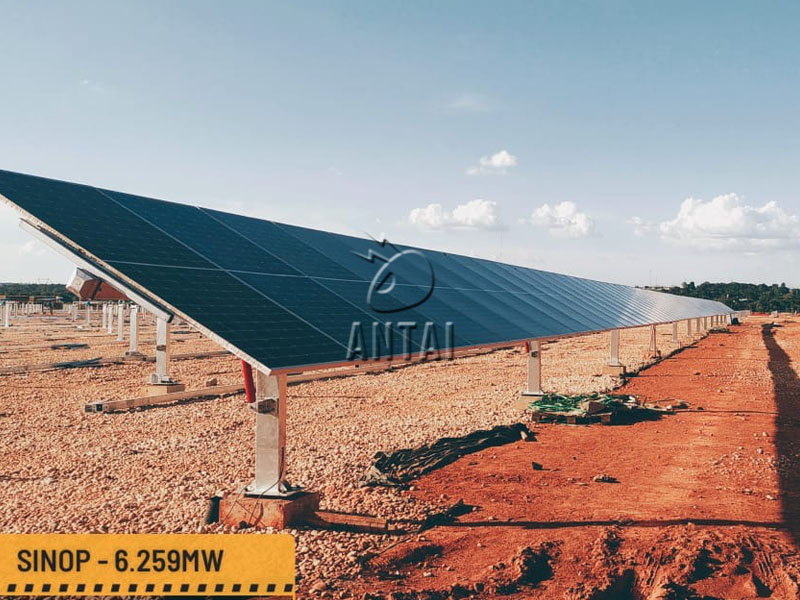
Solar energy production changes continuously throughout the day due to the movement of the sun, weather conditions, and environmental factors. Fixed-tilt systems cannot fully adapt to these variations, which creates opportunities for tracking technologies to capture additional solar radiation.
An advanced solar tracker uses electronic control systems and tracking algorithms to adjust module orientation based on the sun's position. By optimizing the orientation of module orientation, tracking systems help increase energy yield and improve the overall efficiency of solar power plants.
For utility-scale developers, this intelligent approach provides measurable advantages. Higher energy output from the same project area can improve investment returns, while automated adjustments reduce the need for frequent manual intervention. As a result, solar trackers are becoming an important technology for large-scale renewable energy projects.
Modern solar projects require more than high-quality hardware. Data management and intelligent operation have become essential factors affecting long-term performance. Solar trackers equipped with advanced monitoring capabilities can collect operational information, analyze system conditions, and support more efficient maintenance strategies.
Through continuous data tracking, operators can better understand system performance and identify potential issues before they affect energy production. This predictive approach helps reduce downtime and improve operational reliability.
For project owners, choosing a solar energy tracker with intelligent data capabilities means gaining better visibility into system performance. Reliable data allows teams to make informed decisions about maintenance schedules, performance optimization, and future project improvements.
While intelligent software plays an important role, the mechanical structure of a tracking system remains fundamental to long-term reliability. Solar trackers must operate under challenging outdoor conditions, including strong winds, temperature changes, and varying terrain environments.
A well-designed tracking system balances flexibility, durability, and installation efficiency. Optimized components can reduce construction complexity while ensuring stable movement throughout the project lifecycle. This is particularly important for large solar plants where equipment reliability directly influences overall energy production.
Professional solar suppliers focus on combining robust mechanical structures with intelligent control technologies. This integrated design approach enables tracking systems to maintain accurate positioning while supporting efficient operation and maintenance.
Solar projects vary significantly depending on location, land conditions, module selection, and energy goals. Therefore, flexibility has become a critical consideration when selecting tracking solutions.
A scalable solar energy tracker should support different module sizes and project configurations. Compatibility with advanced photovoltaic modules allows developers to adapt their systems as solar technology continues evolving.
Flexible tracker designs also help simplify project planning. By supporting different application scenarios, advanced tracking systems enable developers and EPC contractors to select solutions that match specific project requirements while maintaining high energy generation potential.
As utility-scale solar projects expand, improving energy yield and controlling operating costs remain important considerations for tracker selection. Intelligent tracking technology represents an important step toward smarter photovoltaic systems by combining automation, data analysis, and advanced engineering.
As solar projects become larger and more complex, digital capabilities will continue influencing equipment selection. Solutions that provide real-time monitoring, intelligent control, and efficient maintenance support can help operators maximize the value of their investments.
For businesses involved in renewable energy development, partnering with experienced suppliers is essential. Suppliers with relevant engineering and service capabilities can support tracker design, installation, commissioning, and ongoing maintenance.
We at Antaisolar dedicate ourselves to advancing new energy development through technological innovation and providing comprehensive PV mounting system solutions. We provide solar tracking solutions for utility-scale PV projects, supported by engineering and project services across the system lifecycle.
Our TAI-Simple Single Slew-drive Single-axis Independent Solar Tracking System - 1P is designed as an Antaisolar top-selling LCOE-optimizing solar tracker for utility-scale applications. The system focuses on improving energy output while supporting efficient project implementation and long-term operation.
TAI-Simple is compatible with new large-format modules and supports up to 90 modules per tracker. It supports up to 90 modules per tracker, helping developers achieve scalable system configurations for different project sizes and requirements.
By combining intelligent tracking concepts with practical engineering design, TAI-Simple helps solar projects improve energy capture and optimize lifecycle value. Through continuous innovation and customer-focused solutions, we continue working with global partners to accelerate the development of efficient, reliable, and sustainable solar energy systems.
Intelligent Data Tracking Enhances Solar Power Generation
Solar energy production changes continuously throughout the day due to the movement of the sun, weather conditions, and environmental factors. Fixed-tilt systems cannot fully adapt to these variations, which creates opportunities for tracking technologies to capture additional solar radiation.
An advanced solar tracker uses electronic control systems and tracking algorithms to adjust module orientation based on the sun's position. By optimizing the orientation of module orientation, tracking systems help increase energy yield and improve the overall efficiency of solar power plants.
For utility-scale developers, this intelligent approach provides measurable advantages. Higher energy output from the same project area can improve investment returns, while automated adjustments reduce the need for frequent manual intervention. As a result, solar trackers are becoming an important technology for large-scale renewable energy projects.
How Intelligent Control Supports Solar Tracker Operation
Modern solar projects require more than high-quality hardware. Data management and intelligent operation have become essential factors affecting long-term performance. Solar trackers equipped with advanced monitoring capabilities can collect operational information, analyze system conditions, and support more efficient maintenance strategies.
Through continuous data tracking, operators can better understand system performance and identify potential issues before they affect energy production. This predictive approach helps reduce downtime and improve operational reliability.
For project owners, choosing a solar energy tracker with intelligent data capabilities means gaining better visibility into system performance. Reliable data allows teams to make informed decisions about maintenance schedules, performance optimization, and future project improvements.
Mechanical Design Supports Reliable Tracking Performance
While intelligent software plays an important role, the mechanical structure of a tracking system remains fundamental to long-term reliability. Solar trackers must operate under challenging outdoor conditions, including strong winds, temperature changes, and varying terrain environments.
A well-designed tracking system balances flexibility, durability, and installation efficiency. Optimized components can reduce construction complexity while ensuring stable movement throughout the project lifecycle. This is particularly important for large solar plants where equipment reliability directly influences overall energy production.
Professional solar suppliers focus on combining robust mechanical structures with intelligent control technologies. This integrated design approach enables tracking systems to maintain accurate positioning while supporting efficient operation and maintenance.
Flexible Solutions Meet Diverse Solar Project Requirements
Solar projects vary significantly depending on location, land conditions, module selection, and energy goals. Therefore, flexibility has become a critical consideration when selecting tracking solutions.
A scalable solar energy tracker should support different module sizes and project configurations. Compatibility with advanced photovoltaic modules allows developers to adapt their systems as solar technology continues evolving.
Flexible tracker designs also help simplify project planning. By supporting different application scenarios, advanced tracking systems enable developers and EPC contractors to select solutions that match specific project requirements while maintaining high energy generation potential.
Intelligent Tracking Supports Future Solar Development
As utility-scale solar projects expand, improving energy yield and controlling operating costs remain important considerations for tracker selection. Intelligent tracking technology represents an important step toward smarter photovoltaic systems by combining automation, data analysis, and advanced engineering.
As solar projects become larger and more complex, digital capabilities will continue influencing equipment selection. Solutions that provide real-time monitoring, intelligent control, and efficient maintenance support can help operators maximize the value of their investments.
For businesses involved in renewable energy development, partnering with experienced suppliers is essential. Suppliers with relevant engineering and service capabilities can support tracker design, installation, commissioning, and ongoing maintenance.
Optimizing Solar Performance with Antaisolar's TAI-Simple Tracking Solution
We at Antaisolar dedicate ourselves to advancing new energy development through technological innovation and providing comprehensive PV mounting system solutions. We provide solar tracking solutions for utility-scale PV projects, supported by engineering and project services across the system lifecycle.
Our TAI-Simple Single Slew-drive Single-axis Independent Solar Tracking System - 1P is designed as an Antaisolar top-selling LCOE-optimizing solar tracker for utility-scale applications. The system focuses on improving energy output while supporting efficient project implementation and long-term operation.
TAI-Simple is compatible with new large-format modules and supports up to 90 modules per tracker. It supports up to 90 modules per tracker, helping developers achieve scalable system configurations for different project sizes and requirements.
By combining intelligent tracking concepts with practical engineering design, TAI-Simple helps solar projects improve energy capture and optimize lifecycle value. Through continuous innovation and customer-focused solutions, we continue working with global partners to accelerate the development of efficient, reliable, and sustainable solar energy systems.
end