
Optimizing GCR and Row Lengths for High-Density Single-Axis Tracking Arrays
August 14, 2026
The design of utility-scale solar projects requires careful consideration of land utilization, energy generation, and long-term investment performance. As developers seek to maximize output from limited project areas, optimizing Ground Cover Ratio (GCR) and row lengths has become increasingly important. Modern single-axis tracking systems for arrays track solar movement while providing opportunities to improve land efficiency, enhance energy production, and create more competitive project economics.
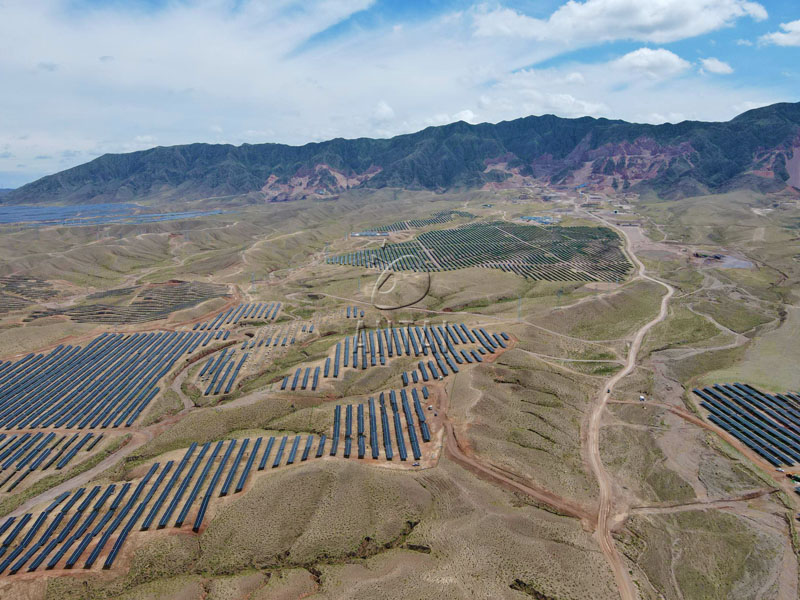
Ground Cover Ratio (GCR) represents the relationship between the total area covered by photovoltaic modules and the available land area. A higher GCR means more solar panels are installed within a specific site, increasing land utilization. However, achieving the ideal GCR requires balancing energy generation, shading risks, and tracker operation.
For high-density solar arrays, increasing GCR can help developers maximize installed capacity without expanding the project footprint. However, overly compact layouts may create additional challenges, including increased row-to-row shading and reduced energy capture during certain periods. Therefore, optimizing GCR requires advanced engineering strategies that consider local climate conditions, module characteristics, and tracking behavior.
Single-axis tracking systems for arrays track the sun’s movement throughout the day, allowing developers to improve energy production even within carefully optimized layouts. By adjusting module angles dynamically, these systems help maintain efficient sunlight exposure while supporting higher-density project designs.
Row length is another important factor influencing the efficiency and cost structure of utility-scale solar installations. Longer rows can reduce the number of drives, motors, and control units required, potentially lowering equipment and installation costs. However, excessive row lengths may increase structural loads and create challenges related to torsional stability.
Solar engineers must evaluate the relationship between row length, terrain conditions, wind loads, and mechanical performance. A well-balanced design allows tracking systems to operate smoothly while reducing unnecessary material consumption. Proper row length optimization also simplifies construction processes and improves maintenance accessibility.
Advanced single-axis tracking systems for arrays track solar positions using intelligent control strategies, enabling more precise operation across different project conditions. Combined with optimized mechanical structures, these technologies help developers achieve better performance without increasing complexity.
High-density solar arrays offer significant advantages by allowing more photovoltaic capacity to be deployed on available land. However, maximizing panel density alone does not guarantee higher project returns. Developers must carefully evaluate how layout decisions influence energy yield throughout the entire operating period.
A higher GCR can increase installed capacity, but insufficient spacing between rows may lead to more shading losses. Backtracking algorithms can help reduce row-to-row shading losses by adjusting tracker positions according to solar geometry and array layout. This dynamic operation enables better use of available sunlight compared with traditional fixed-angle installations.
When designing high-density projects, developers should consider factors such as solar resource availability, terrain characteristics, module technology, and operational strategies. A comprehensive approach ensures that GCR optimization contributes to improved lifecycle value rather than simply increasing installation density.
Modern solar tracking solutions rely on advanced electronic control systems to maximize energy generation. Intelligent control systems use algorithms and available operating data to optimize tracker positioning and support protection strategies under changing conditions. This allows solar arrays to operate more efficiently throughout different times of the day.
For high-density installations, intelligent control is particularly valuable because it helps manage complex operating requirements. Tracking systems can optimize positioning to reduce shading impacts, protect equipment during extreme weather, and maintain stable performance under different conditions.
By integrating smart control technologies with optimized mechanical designs, solar tracker manufacturers enable project owners to achieve greater efficiency from every installed module. These improvements support more predictable energy production and stronger returns for utility-scale solar investments.
Optimizing GCR and row lengths is not only about improving energy output but also about reducing overall project costs. Efficient layouts can decrease land acquisition requirements, minimize material usage, and improve construction efficiency.
A carefully designed tracking array can reduce unnecessary structural components while maintaining reliable operation. Optimized row configurations also help installation teams complete projects faster by creating standardized construction processes.
For developers and EPC companies, these improvements provide measurable business value. A successful solar project requires a balance between capital expenditure, operational performance, and long-term reliability. Through advanced engineering and data-driven design, optimized tracking solutions help achieve this balance.
We at Antaisolar are dedicated to advancing renewable energy development through technological innovation and providing comprehensive photovoltaic mounting solutions worldwide. Our product portfolio covers fixed mounting systems, tracking systems, and BIPV solutions, supporting customers with all-material, all-function, and all-service capabilities.
As a professional solar mounting solution provider, we focus on helping utility-scale projects improve energy generation, reduce costs, and enhance long-term profitability. Our TAI-Simple Single Slew-drive Single-axis Independent Solar Tracking System - 1P is designed as an Antaisolar top-selling solar tracker that helps optimize LCOE for large-scale solar applications.
The TAI-Simple system features an innovative electronic control system that uses advanced algorithms and real-time data to intelligently position the tracker. This enables safer and more efficient operation while maximizing energy generation throughout the day. By supporting precise tracking performance, TAI-Simple helps developers optimize array layouts, improve land utilization, and achieve stronger project value.
As utility-scale solar projects continue to expand, optimizing GCR and row lengths will remain essential for achieving higher efficiency and better investment returns. Advanced tracking technologies provide developers with the flexibility to maximize land use while maintaining reliable energy production.
Through intelligent control, optimized structures, and innovative solar solutions, Antaisolar continues to support the global transition toward cleaner energy. By applying advanced single-axis tracking systems for arrays track applications, solar developers can create more efficient, cost-effective, and sustainable projects for the future.
Understanding the Role of GCR in Solar Array Optimization
Ground Cover Ratio (GCR) represents the relationship between the total area covered by photovoltaic modules and the available land area. A higher GCR means more solar panels are installed within a specific site, increasing land utilization. However, achieving the ideal GCR requires balancing energy generation, shading risks, and tracker operation.
For high-density solar arrays, increasing GCR can help developers maximize installed capacity without expanding the project footprint. However, overly compact layouts may create additional challenges, including increased row-to-row shading and reduced energy capture during certain periods. Therefore, optimizing GCR requires advanced engineering strategies that consider local climate conditions, module characteristics, and tracking behavior.
Single-axis tracking systems for arrays track the sun’s movement throughout the day, allowing developers to improve energy production even within carefully optimized layouts. By adjusting module angles dynamically, these systems help maintain efficient sunlight exposure while supporting higher-density project designs.
Optimizing Row Lengths for Better Solar Tracker Performance
Row length is another important factor influencing the efficiency and cost structure of utility-scale solar installations. Longer rows can reduce the number of drives, motors, and control units required, potentially lowering equipment and installation costs. However, excessive row lengths may increase structural loads and create challenges related to torsional stability.
Solar engineers must evaluate the relationship between row length, terrain conditions, wind loads, and mechanical performance. A well-balanced design allows tracking systems to operate smoothly while reducing unnecessary material consumption. Proper row length optimization also simplifies construction processes and improves maintenance accessibility.
Advanced single-axis tracking systems for arrays track solar positions using intelligent control strategies, enabling more precise operation across different project conditions. Combined with optimized mechanical structures, these technologies help developers achieve better performance without increasing complexity.
Balancing High-Density Layouts with Energy Yield
High-density solar arrays offer significant advantages by allowing more photovoltaic capacity to be deployed on available land. However, maximizing panel density alone does not guarantee higher project returns. Developers must carefully evaluate how layout decisions influence energy yield throughout the entire operating period.
A higher GCR can increase installed capacity, but insufficient spacing between rows may lead to more shading losses. Backtracking algorithms can help reduce row-to-row shading losses by adjusting tracker positions according to solar geometry and array layout. This dynamic operation enables better use of available sunlight compared with traditional fixed-angle installations.
When designing high-density projects, developers should consider factors such as solar resource availability, terrain characteristics, module technology, and operational strategies. A comprehensive approach ensures that GCR optimization contributes to improved lifecycle value rather than simply increasing installation density.
How Intelligent Control Improves Tracking Array Efficiency
Modern solar tracking solutions rely on advanced electronic control systems to maximize energy generation. Intelligent control systems use algorithms and available operating data to optimize tracker positioning and support protection strategies under changing conditions. This allows solar arrays to operate more efficiently throughout different times of the day.
For high-density installations, intelligent control is particularly valuable because it helps manage complex operating requirements. Tracking systems can optimize positioning to reduce shading impacts, protect equipment during extreme weather, and maintain stable performance under different conditions.
By integrating smart control technologies with optimized mechanical designs, solar tracker manufacturers enable project owners to achieve greater efficiency from every installed module. These improvements support more predictable energy production and stronger returns for utility-scale solar investments.
Reducing Project Costs Through Optimized Array Design
Optimizing GCR and row lengths is not only about improving energy output but also about reducing overall project costs. Efficient layouts can decrease land acquisition requirements, minimize material usage, and improve construction efficiency.
A carefully designed tracking array can reduce unnecessary structural components while maintaining reliable operation. Optimized row configurations also help installation teams complete projects faster by creating standardized construction processes.
For developers and EPC companies, these improvements provide measurable business value. A successful solar project requires a balance between capital expenditure, operational performance, and long-term reliability. Through advanced engineering and data-driven design, optimized tracking solutions help achieve this balance.
Antaisolar TAI-Simple Supports Efficient High-Density Solar Development
We at Antaisolar are dedicated to advancing renewable energy development through technological innovation and providing comprehensive photovoltaic mounting solutions worldwide. Our product portfolio covers fixed mounting systems, tracking systems, and BIPV solutions, supporting customers with all-material, all-function, and all-service capabilities.
As a professional solar mounting solution provider, we focus on helping utility-scale projects improve energy generation, reduce costs, and enhance long-term profitability. Our TAI-Simple Single Slew-drive Single-axis Independent Solar Tracking System - 1P is designed as an Antaisolar top-selling solar tracker that helps optimize LCOE for large-scale solar applications.
The TAI-Simple system features an innovative electronic control system that uses advanced algorithms and real-time data to intelligently position the tracker. This enables safer and more efficient operation while maximizing energy generation throughout the day. By supporting precise tracking performance, TAI-Simple helps developers optimize array layouts, improve land utilization, and achieve stronger project value.
Advancing the Future of High-Density Solar Arrays
As utility-scale solar projects continue to expand, optimizing GCR and row lengths will remain essential for achieving higher efficiency and better investment returns. Advanced tracking technologies provide developers with the flexibility to maximize land use while maintaining reliable energy production.
Through intelligent control, optimized structures, and innovative solar solutions, Antaisolar continues to support the global transition toward cleaner energy. By applying advanced single-axis tracking systems for arrays track applications, solar developers can create more efficient, cost-effective, and sustainable projects for the future.
end