
How Terrain Impacts Single-Axis Tracking System Performance
August 13, 2026
Terrain conditions are one of the most important factors influencing the performance, installation process, and long-term reliability of utility-scale solar projects. As solar developers increasingly adopt tracking technologies to improve energy output, understanding how land characteristics affect system operation has become essential. A well-designed single-axis solar tracking solution must adapt to different landscapes while maintaining accurate movement, structural stability, and cost-effective performance throughout the project lifecycle.
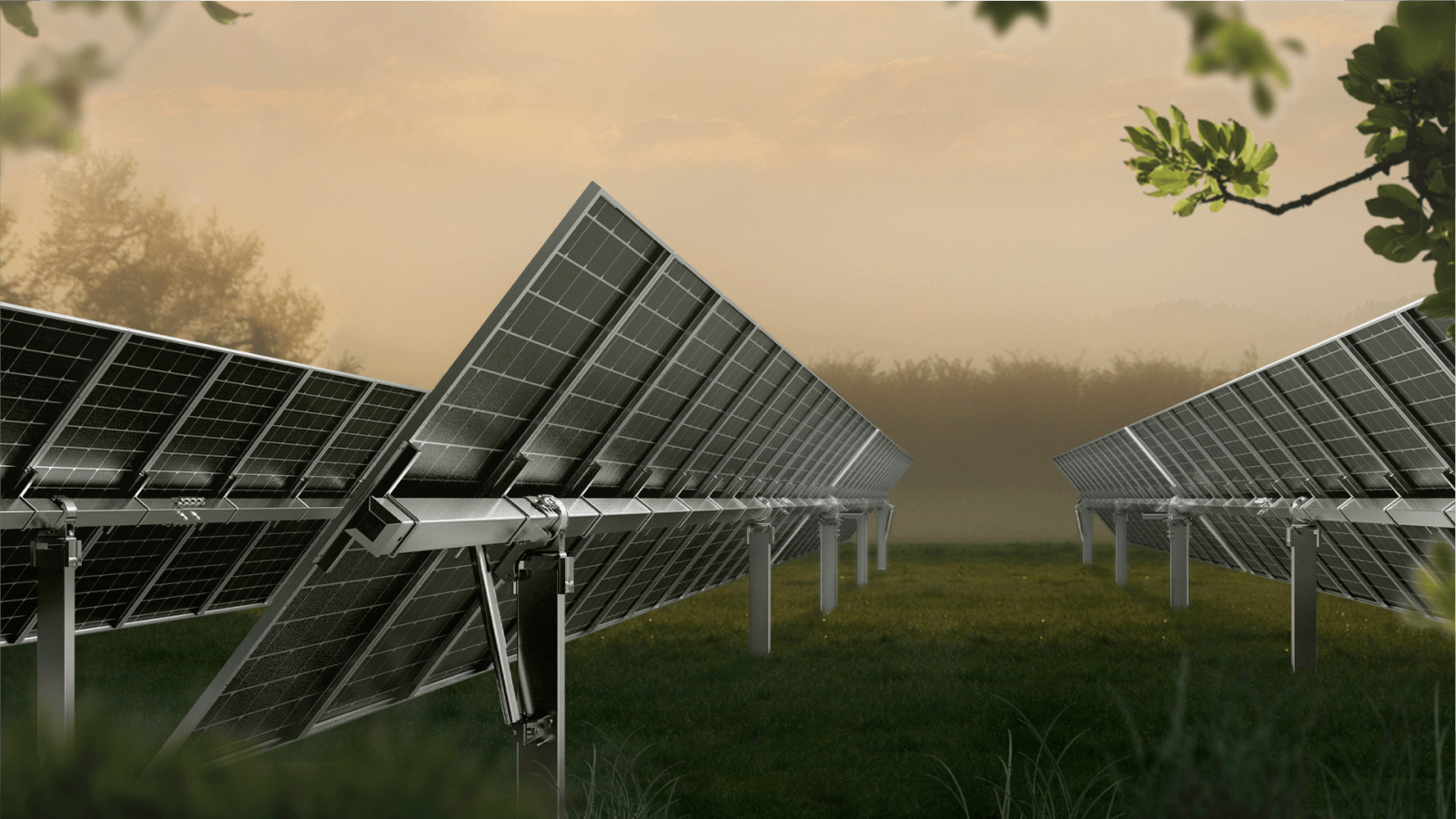
Solar power plants are often developed across diverse environments, including flat plains, rolling hills, deserts, and uneven landscapes. Unlike fixed-tilt systems, tracking systems require precise mechanical movement to adjust module angles according to the sun’s position. Therefore, terrain conditions directly influence installation complexity, structural design, and energy generation efficiency.
Uneven terrain can create challenges for tracker alignment and row installation. If a tracking system cannot effectively accommodate land variations, additional grading work may be required, increasing construction costs and extending project timelines. For developers and EPC contractors, selecting a tracking solution with strong terrain adaptability can reduce site preparation requirements and improve overall project economics.
The relationship between terrain and tracker performance also extends to long-term operation. A system installed on complex terrain must maintain reliable movement despite differences in elevation, slope, and environmental conditions. Proper engineering ensures that each tracker row can operate efficiently while delivering consistent energy production.
Slope conditions are among the most significant terrain factors affecting solar tracker design. North-south and east-west slopes can influence tracker geometry, module positioning, and structural loading. Without appropriate design considerations, excessive slopes may create installation difficulties and affect tracking accuracy.
Advanced single-axis solar tracking systems are designed with flexible structures that can better adapt to variable terrain. Independent-row architectures allow individual tracker rows to respond to local site conditions instead of relying on a single mechanical connection across multiple rows. This flexibility can reduce terrain-related limitations and simplify project development.
For utility-scale projects, improved slope adaptability provides greater land utilization. Developers can access more potential project locations without requiring extensive earthwork, helping reduce environmental impact and construction expenses. A tracking system capable of handling diverse terrain conditions provides additional value during both project planning and operation.
Terrain is not the only consideration when evaluating solar tracker performance. Complex landscapes are often associated with different environmental conditions, including stronger winds, uneven ground pressure, and changing weather patterns. Therefore, mechanical stability is critical for ensuring long-term operation.
A reliable tracker structure must maintain accurate positioning while resisting external forces. Components such as drive systems, damping mechanisms, and structural connections directly affect system durability. When these elements are properly engineered, tracking systems can continue operating effectively even in demanding environments.
Wind resistance is particularly important for large solar installations. Tracker structures installed in open areas may experience significant wind loads, requiring advanced stabilization technologies. Strong mechanical designs help protect modules, reduce operational risks, and support consistent energy generation over decades.
For project owners, terrain adaptability is closely connected with both construction efficiency and financial performance. A tracking system that requires less land preparation can reduce upfront investment and accelerate installation schedules. At the same time, reliable tracking performance helps maximize energy output over the system’s operational life.
When selecting a tracking solution, procurement teams should evaluate several factors, including terrain compatibility, installation requirements, maintenance needs, and energy yield potential. The ideal system should provide flexibility during construction while maintaining stable performance after commissioning.
Intelligent control technology also contributes to better results. Modern tracking systems use advanced algorithms to optimize module positioning according to geographic location and environmental conditions. This allows projects to capture more solar energy while maintaining efficient operation under changing circumstances.
Successful utility-scale solar projects require close cooperation between technology providers, developers, and engineering teams. Early evaluation of terrain conditions allows manufacturers to design suitable solutions and avoid potential construction challenges.
Professional solar tracking suppliers typically provide engineering support, including site analysis, system configuration, and installation guidance. These services help ensure that the selected tracking technology matches the specific requirements of each project.
As the solar industry continues expanding into more diverse locations, terrain adaptability will become an increasingly important selection criterion. Tracking systems that combine flexible structures, reliable components, and intelligent controls can provide stronger value for developers seeking long-term project success.
We are Antaisolar, dedicated to advancing the development and application of new energy through technological innovation. We provide comprehensive PV mounting system solutions, including fixed mounting systems, tracking systems, and BIPV solutions, covering all materials, functions, and services. With extensive industry experience, we support global customers through customized solutions, professional engineering assistance, installation guidance, and lifecycle services.
Our TAI-Simple Single Slew-drive Single-axis Independent Solar Tracking System - 1P is our top-selling LCOE-optimizing solar tracker designed to improve project performance and adaptability. The system features a reliable rotary motor that ensures minimal maintenance and long-term stable operation, with an accuracy of ±2° and a 25-year lifespan for drive components.
TAI-Simple also integrates a multi-damping system that enhances structural stability and supports reliable performance in high-wind environments, with the ability to withstand gusts of up to 55 m/s. By combining independent-row architecture, durable mechanical design, and advanced tracking technology, TAI-Simple helps solar projects achieve efficient installation, strong terrain adaptability, and dependable energy generation throughout their service life.
Why Terrain Conditions Matter for Solar Tracking Performance
Solar power plants are often developed across diverse environments, including flat plains, rolling hills, deserts, and uneven landscapes. Unlike fixed-tilt systems, tracking systems require precise mechanical movement to adjust module angles according to the sun’s position. Therefore, terrain conditions directly influence installation complexity, structural design, and energy generation efficiency.
Uneven terrain can create challenges for tracker alignment and row installation. If a tracking system cannot effectively accommodate land variations, additional grading work may be required, increasing construction costs and extending project timelines. For developers and EPC contractors, selecting a tracking solution with strong terrain adaptability can reduce site preparation requirements and improve overall project economics.
The relationship between terrain and tracker performance also extends to long-term operation. A system installed on complex terrain must maintain reliable movement despite differences in elevation, slope, and environmental conditions. Proper engineering ensures that each tracker row can operate efficiently while delivering consistent energy production.
How Slopes Influence Single-Axis Solar Tracking Systems
Slope conditions are among the most significant terrain factors affecting solar tracker design. North-south and east-west slopes can influence tracker geometry, module positioning, and structural loading. Without appropriate design considerations, excessive slopes may create installation difficulties and affect tracking accuracy.
Advanced single-axis solar tracking systems are designed with flexible structures that can better adapt to variable terrain. Independent-row architectures allow individual tracker rows to respond to local site conditions instead of relying on a single mechanical connection across multiple rows. This flexibility can reduce terrain-related limitations and simplify project development.
For utility-scale projects, improved slope adaptability provides greater land utilization. Developers can access more potential project locations without requiring extensive earthwork, helping reduce environmental impact and construction expenses. A tracking system capable of handling diverse terrain conditions provides additional value during both project planning and operation.
The Role of Structural Stability in Challenging Environments
Terrain is not the only consideration when evaluating solar tracker performance. Complex landscapes are often associated with different environmental conditions, including stronger winds, uneven ground pressure, and changing weather patterns. Therefore, mechanical stability is critical for ensuring long-term operation.
A reliable tracker structure must maintain accurate positioning while resisting external forces. Components such as drive systems, damping mechanisms, and structural connections directly affect system durability. When these elements are properly engineered, tracking systems can continue operating effectively even in demanding environments.
Wind resistance is particularly important for large solar installations. Tracker structures installed in open areas may experience significant wind loads, requiring advanced stabilization technologies. Strong mechanical designs help protect modules, reduce operational risks, and support consistent energy generation over decades.
Balancing Installation Efficiency and Long-Term Energy Yield
For project owners, terrain adaptability is closely connected with both construction efficiency and financial performance. A tracking system that requires less land preparation can reduce upfront investment and accelerate installation schedules. At the same time, reliable tracking performance helps maximize energy output over the system’s operational life.
When selecting a tracking solution, procurement teams should evaluate several factors, including terrain compatibility, installation requirements, maintenance needs, and energy yield potential. The ideal system should provide flexibility during construction while maintaining stable performance after commissioning.
Intelligent control technology also contributes to better results. Modern tracking systems use advanced algorithms to optimize module positioning according to geographic location and environmental conditions. This allows projects to capture more solar energy while maintaining efficient operation under changing circumstances.
Engineering Considerations for Reliable Solar Tracking Projects
Successful utility-scale solar projects require close cooperation between technology providers, developers, and engineering teams. Early evaluation of terrain conditions allows manufacturers to design suitable solutions and avoid potential construction challenges.
Professional solar tracking suppliers typically provide engineering support, including site analysis, system configuration, and installation guidance. These services help ensure that the selected tracking technology matches the specific requirements of each project.
As the solar industry continues expanding into more diverse locations, terrain adaptability will become an increasingly important selection criterion. Tracking systems that combine flexible structures, reliable components, and intelligent controls can provide stronger value for developers seeking long-term project success.
How Antaisolar's TAI-Simple Supports Stable Performance Across Different Terrains
We are Antaisolar, dedicated to advancing the development and application of new energy through technological innovation. We provide comprehensive PV mounting system solutions, including fixed mounting systems, tracking systems, and BIPV solutions, covering all materials, functions, and services. With extensive industry experience, we support global customers through customized solutions, professional engineering assistance, installation guidance, and lifecycle services.
Our TAI-Simple Single Slew-drive Single-axis Independent Solar Tracking System - 1P is our top-selling LCOE-optimizing solar tracker designed to improve project performance and adaptability. The system features a reliable rotary motor that ensures minimal maintenance and long-term stable operation, with an accuracy of ±2° and a 25-year lifespan for drive components.
TAI-Simple also integrates a multi-damping system that enhances structural stability and supports reliable performance in high-wind environments, with the ability to withstand gusts of up to 55 m/s. By combining independent-row architecture, durable mechanical design, and advanced tracking technology, TAI-Simple helps solar projects achieve efficient installation, strong terrain adaptability, and dependable energy generation throughout their service life.
end