
Single Axis Solar Tracking System vs Fixed Mount Systems: Which Delivers Better Project Value?
August 12, 2026
The solar industry continues to pursue higher energy yields, lower operating costs, and stronger investment returns as utility-scale projects expand worldwide. Choosing between a single axis solar tracking system and fixed mount systems has become an important decision for developers, EPC contractors, and asset owners. While fixed systems remain widely used due to their simple structure, tracking solutions are gaining attention for their ability to improve energy generation and optimize land utilization.
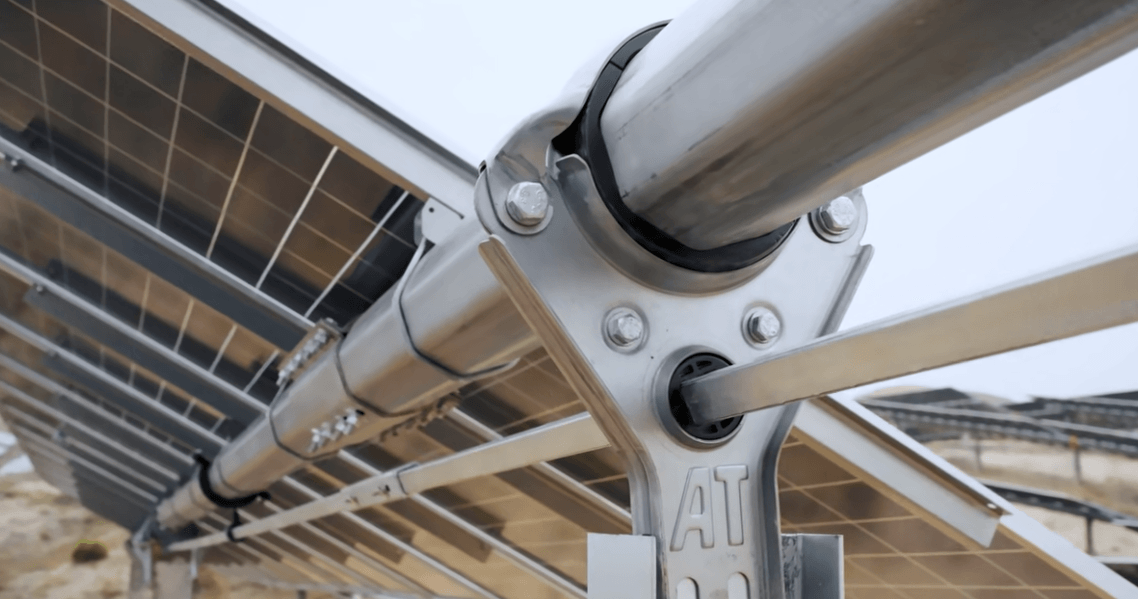
The primary difference between a single axis solar tracking system and a fixed mounting system is how they respond to sunlight throughout the day. Fixed mount systems position solar modules at a predetermined angle, allowing them to capture solar radiation efficiently during specific periods. However, their performance decreases when the sun moves away from the optimized angle.
A single axis solar tracking system enables solar modules to follow the sun’s movement from east to west, maintaining a more favorable angle for energy absorption throughout the day. This dynamic adjustment helps increase solar exposure and improve overall energy output, especially in regions with strong direct solar irradiation.
For utility-scale projects, higher energy generation directly impacts revenue potential. Although tracking systems may require additional investment in mechanical components and controls, the increased electricity production can create stronger long-term project value when evaluated across the entire lifecycle.
When selecting a solar mounting solution, project owners must consider more than upfront construction expenses. Fixed mount systems generally have lower initial costs because they involve fewer mechanical components and simpler installation processes. However, energy production limitations may affect long-term financial performance.
A single axis solar tracking system introduces additional technology costs but can provide greater returns through improved power generation. For large solar farms, even a moderate increase in energy yield can significantly influence annual revenue. Therefore, developers often evaluate the levelized cost of electricity (LCOE), operational efficiency, and lifetime return rather than focusing only on initial expenditure.
In addition, modern tracking systems have become more efficient through optimized mechanical designs and intelligent control technologies. These improvements help reduce maintenance requirements while increasing system reliability, making tracking solutions increasingly competitive for large-scale renewable energy projects.
Land availability is another important factor when comparing solar tracking systems with fixed structures. Utility-scale solar developments often face challenges related to limited land resources, irregular terrain, and increasing project requirements.
A single-axis solar tracking system can increase energy production from a given project area, although the land-use outcome depends on row spacing, terrain, tracker configuration, and site design. Advanced tracking solutions can also adapt to different site conditions, helping developers maximize available land while maintaining stable performance.
Fixed systems may offer advantages for certain locations with simple terrain and limited performance requirements. However, for large projects where maximizing generation capacity is a priority, tracking technology provides additional flexibility and efficiency benefits.
Long-term operation is a critical consideration for solar project investments. Fixed mounting systems have fewer moving parts, which can simplify maintenance. However, modern solar tracking systems have developed significantly, with improved structural designs, intelligent monitoring, and enhanced protection features.
A reliable single axis solar tracking system must balance mechanical performance with operational simplicity. Advanced control systems allow operators to monitor equipment status, adjust operating strategies, and respond to changing environmental conditions. These capabilities support more efficient operation and reduce potential downtime.
For project owners, selecting the right technology means finding a balance between energy gains, maintenance needs, and expected service life. A well-designed tracking system can deliver consistent performance while supporting the long-term goals of renewable energy assets.
The choice between fixed mount systems and tracking solutions depends on multiple factors, including location, climate, land conditions, investment strategy, and expected energy output. Fixed systems may remain suitable for projects where simplicity and lower initial costs are the primary priorities.
However, for utility-scale solar developments seeking higher energy yield and stronger lifecycle value, a single-axis solar tracking system can provide meaningful advantages. By continuously optimizing module orientation, tracking technology helps projects capture more available sunlight and improve overall financial performance.
As solar markets become increasingly competitive, developers need solutions that combine efficiency, reliability, and adaptability. The ability to generate more electricity from each project site is becoming a key factor in achieving better investment outcomes.
We at Antaisolar are committed to advancing renewable energy development through technological innovation and providing comprehensive PV mounting system solutions worldwide. With expertise covering fixed mounting systems, tracking systems, and BIPV solutions, we support customers with solutions designed for different applications, materials, and project requirements.
As a trusted provider of advanced solar tracking solutions, we focus on improving energy yield, reliability, and project profitability. Our AT-Spark Multiple Slew-drive Single-axis Independent Solar Tracking System - 1P is designed as an optimal tracking solution for utility-scale solar projects.
AT-Spark integrates the SmartTrail™ Intelligent Control System, which uses advanced algorithms to achieve higher energy yield. It also features four protection modes for extreme weather conditions and multi-platform software that supports convenient remote and on-site operation and maintenance.
The AT-Spark system incorporates the Light Over Heavy design concept. Its octagonal torque tube improves structural efficiency by increasing specific stiffness by 40% and specific strength by 50% while reducing material consumption. The multi-point drive solution distributes torsional forces evenly, enabling tracker spans up to 143 meters and reducing pile quantity by 20% to lower project costs. Additionally, its low-tilt wind stow strategy supports reliable operation in extreme conditions with wind speeds up to 70 m/s.
The comparison between single axis solar tracking systems and fixed mount systems shows that project value depends on more than installation costs alone. Energy generation capability, land efficiency, reliability, and lifecycle performance all influence the final investment outcome.
With continuous innovation and advanced engineering, Antaisolar helps global solar developers achieve higher-performing projects. By combining intelligent tracking technology with optimized structural design, solutions like AT-Spark provide a pathway toward more efficient, reliable, and valuable utility-scale solar development.
Comparing Energy Generation Performance Between Tracking and Fixed Systems
The primary difference between a single axis solar tracking system and a fixed mounting system is how they respond to sunlight throughout the day. Fixed mount systems position solar modules at a predetermined angle, allowing them to capture solar radiation efficiently during specific periods. However, their performance decreases when the sun moves away from the optimized angle.
A single axis solar tracking system enables solar modules to follow the sun’s movement from east to west, maintaining a more favorable angle for energy absorption throughout the day. This dynamic adjustment helps increase solar exposure and improve overall energy output, especially in regions with strong direct solar irradiation.
For utility-scale projects, higher energy generation directly impacts revenue potential. Although tracking systems may require additional investment in mechanical components and controls, the increased electricity production can create stronger long-term project value when evaluated across the entire lifecycle.
Evaluating Project Economics Beyond Initial Installation Costs
When selecting a solar mounting solution, project owners must consider more than upfront construction expenses. Fixed mount systems generally have lower initial costs because they involve fewer mechanical components and simpler installation processes. However, energy production limitations may affect long-term financial performance.
A single axis solar tracking system introduces additional technology costs but can provide greater returns through improved power generation. For large solar farms, even a moderate increase in energy yield can significantly influence annual revenue. Therefore, developers often evaluate the levelized cost of electricity (LCOE), operational efficiency, and lifetime return rather than focusing only on initial expenditure.
In addition, modern tracking systems have become more efficient through optimized mechanical designs and intelligent control technologies. These improvements help reduce maintenance requirements while increasing system reliability, making tracking solutions increasingly competitive for large-scale renewable energy projects.
Land Utilization and Design Flexibility Influence Project Value
Land availability is another important factor when comparing solar tracking systems with fixed structures. Utility-scale solar developments often face challenges related to limited land resources, irregular terrain, and increasing project requirements.
A single-axis solar tracking system can increase energy production from a given project area, although the land-use outcome depends on row spacing, terrain, tracker configuration, and site design. Advanced tracking solutions can also adapt to different site conditions, helping developers maximize available land while maintaining stable performance.
Fixed systems may offer advantages for certain locations with simple terrain and limited performance requirements. However, for large projects where maximizing generation capacity is a priority, tracking technology provides additional flexibility and efficiency benefits.
Reliability and Maintenance Requirements Shape Long-Term Performance
Long-term operation is a critical consideration for solar project investments. Fixed mounting systems have fewer moving parts, which can simplify maintenance. However, modern solar tracking systems have developed significantly, with improved structural designs, intelligent monitoring, and enhanced protection features.
A reliable single axis solar tracking system must balance mechanical performance with operational simplicity. Advanced control systems allow operators to monitor equipment status, adjust operating strategies, and respond to changing environmental conditions. These capabilities support more efficient operation and reduce potential downtime.
For project owners, selecting the right technology means finding a balance between energy gains, maintenance needs, and expected service life. A well-designed tracking system can deliver consistent performance while supporting the long-term goals of renewable energy assets.
Choosing the Right Solution for Different Solar Project Requirements
The choice between fixed mount systems and tracking solutions depends on multiple factors, including location, climate, land conditions, investment strategy, and expected energy output. Fixed systems may remain suitable for projects where simplicity and lower initial costs are the primary priorities.
However, for utility-scale solar developments seeking higher energy yield and stronger lifecycle value, a single-axis solar tracking system can provide meaningful advantages. By continuously optimizing module orientation, tracking technology helps projects capture more available sunlight and improve overall financial performance.
As solar markets become increasingly competitive, developers need solutions that combine efficiency, reliability, and adaptability. The ability to generate more electricity from each project site is becoming a key factor in achieving better investment outcomes.
Antaisolar AT-Spark Enhances Utility-Scale Solar Project Value
We at Antaisolar are committed to advancing renewable energy development through technological innovation and providing comprehensive PV mounting system solutions worldwide. With expertise covering fixed mounting systems, tracking systems, and BIPV solutions, we support customers with solutions designed for different applications, materials, and project requirements.
As a trusted provider of advanced solar tracking solutions, we focus on improving energy yield, reliability, and project profitability. Our AT-Spark Multiple Slew-drive Single-axis Independent Solar Tracking System - 1P is designed as an optimal tracking solution for utility-scale solar projects.
AT-Spark integrates the SmartTrail™ Intelligent Control System, which uses advanced algorithms to achieve higher energy yield. It also features four protection modes for extreme weather conditions and multi-platform software that supports convenient remote and on-site operation and maintenance.
The AT-Spark system incorporates the Light Over Heavy design concept. Its octagonal torque tube improves structural efficiency by increasing specific stiffness by 40% and specific strength by 50% while reducing material consumption. The multi-point drive solution distributes torsional forces evenly, enabling tracker spans up to 143 meters and reducing pile quantity by 20% to lower project costs. Additionally, its low-tilt wind stow strategy supports reliable operation in extreme conditions with wind speeds up to 70 m/s.
Driving Better Solar Investment Decisions Through Advanced Technology
The comparison between single axis solar tracking systems and fixed mount systems shows that project value depends on more than installation costs alone. Energy generation capability, land efficiency, reliability, and lifecycle performance all influence the final investment outcome.
With continuous innovation and advanced engineering, Antaisolar helps global solar developers achieve higher-performing projects. By combining intelligent tracking technology with optimized structural design, solutions like AT-Spark provide a pathway toward more efficient, reliable, and valuable utility-scale solar development.
end