
How Solar Tracker Factory Capabilities Affect Project Delivery Time for Utility-Scale Projects
August 11, 2026
Project delivery speed has become a key factor in the success of utility-scale solar developments. Beyond site conditions and construction planning, the manufacturing capabilities of solar tracker suppliers directly influence installation schedules, equipment availability, and overall project timelines. For developers and EPC contractors, evaluating factory capacity, production efficiency, quality control systems, and technical support capabilities is essential when selecting a reliable partner for a single axis solar tracker project.
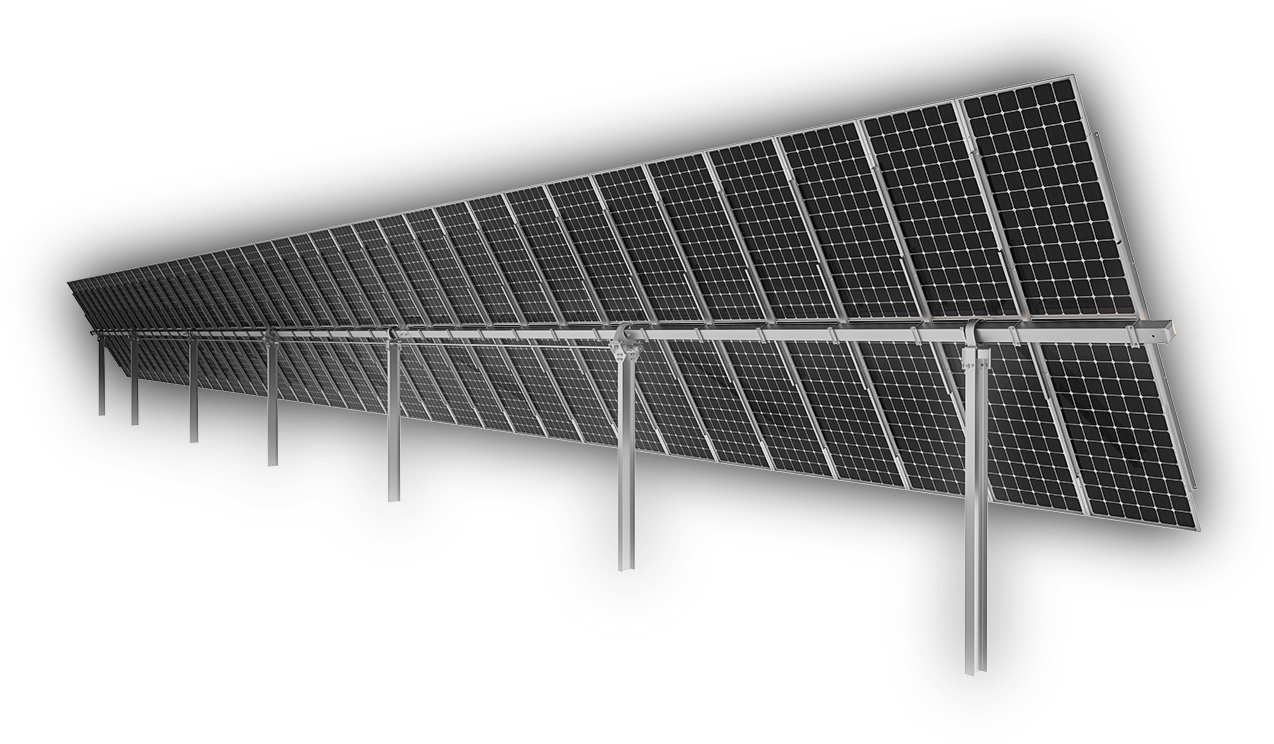
The production capability of a solar tracker factory plays an important role in meeting project deadlines. Utility-scale solar projects often require thousands of tracker components, including structural parts, drive systems, controllers, and connection components. A factory with strong manufacturing capacity can manage large-volume orders while maintaining consistent delivery schedules.
Efficient production planning allows suppliers to reduce manufacturing delays caused by material shortages or limited production resources. Advanced factories usually establish standardized processes for raw material management, component processing, assembly, and inspection. These systems help support delivery of single axis solar tracker products according to project requirements.
For international solar projects, factory capabilities become even more important. Suppliers must coordinate production, quality inspections, packaging, and transportation across different regions. A well-organized manufacturing system allows project teams to receive equipment on time and maintain construction progress.
Automation technology has changed how solar tracker factories manage production efficiency. Automated manufacturing processes can improve precision, reduce human errors, and increase production consistency. For solar tracking systems that require accurate mechanical movement and long-term outdoor operation, manufacturing precision directly affects installation efficiency and operational reliability.
Quality control is another important factor influencing project delivery. Professional suppliers conduct inspections throughout the production process, from material verification to final assembly testing. These procedures help identify potential issues before equipment leaves the factory, reducing the risk of delays caused by defective components or rework during installation.
A reliable single axis solar tracker supplier combines production speed with strict quality management. Faster delivery does not create value if equipment reliability is compromised. Therefore, balanced manufacturing capabilities are essential for supporting successful solar project execution.
Factory capabilities are not limited to production capacity. Engineering expertise also affects how quickly a solar project can move from planning to installation. Experienced suppliers can provide technical recommendations based on terrain conditions, environmental requirements, and project specifications.
Early engineering involvement helps optimize tracker configurations and avoid unnecessary adjustments during construction. For example, suppliers with strong design capabilities can support site adaptation, component selection, and installation planning before equipment production begins.
This integrated approach reduces communication delays between developers, EPC contractors, and manufacturers. When engineering teams work closely with production teams, customized single axis solar tracker solutions can be manufactured more efficiently while meeting specific project requirements.
The design of solar tracker components also influences project delivery time. Products that simplify transportation and installation can reduce labor requirements and improve construction efficiency. This is especially valuable for large-scale projects where small improvements in installation speed can create significant time savings.
Tracker systems with optimized structures, simplified assembly procedures, and efficient maintenance designs help construction teams complete projects faster. Quick installation features reduce dependence on complex tools and minimize installation challenges in different environments.
For project owners, selecting suppliers that consider installation efficiency during product development can lead to smoother project execution. The capabilities of solar tracker manufacturers should therefore be evaluated not only by production output but also by how their products support field installation.
Modern solar tracker factories are also adopting digital technologies to improve project management and operational support. Digital production systems help suppliers monitor manufacturing progress, manage inventory, and coordinate deliveries more effectively.
Beyond manufacturing, intelligent monitoring technologies contribute to long-term project performance. Solar tracking systems equipped with advanced control solutions can improve energy generation while providing operators with convenient maintenance options.
For developers and EPC companies, working with technologically advanced suppliers creates advantages throughout the project lifecycle. From factory production to system operation, digital capabilities help improve efficiency, reduce risks, and support stable renewable energy generation.
We at Antaisolar focus on advancing renewable energy development through continuous innovation and comprehensive photovoltaic mounting solutions. As a professional provider of PV mounting systems, we offer global customers fixed mounting systems, tracking systems, and BIPV solutions designed for different application scenarios.
Our AT-Spark Multiple Slew-drive Single-axis Independent Solar Tracking System - 1P is designed for utility-scale solar projects.. Designed to improve project efficiency, AT-Spark features a quick-install bearing housing with a “Snap. Flip. Twist.” structure, improving core component installation efficiency by 25%.
The system integrates the SmartTrail™ Intelligent Control System, which uses algorithm-driven technology to support higher energy yield. It also provides four protection modes for extreme weather conditions and multi-platform software that enables convenient remote and on-site operation and maintenance.
Antaisolar's tracker business lists an annual production capacity of 25 GW and eight delivery and service centers, while its tracker systems incorporate up to 45% pre-assembled commercial components to support more efficient project deployment.
Manufacturing Capacity Determines Supply Chain Efficiency
The production capability of a solar tracker factory plays an important role in meeting project deadlines. Utility-scale solar projects often require thousands of tracker components, including structural parts, drive systems, controllers, and connection components. A factory with strong manufacturing capacity can manage large-volume orders while maintaining consistent delivery schedules.
Efficient production planning allows suppliers to reduce manufacturing delays caused by material shortages or limited production resources. Advanced factories usually establish standardized processes for raw material management, component processing, assembly, and inspection. These systems help support delivery of single axis solar tracker products according to project requirements.
For international solar projects, factory capabilities become even more important. Suppliers must coordinate production, quality inspections, packaging, and transportation across different regions. A well-organized manufacturing system allows project teams to receive equipment on time and maintain construction progress.
Automation and Quality Control Improve Production Reliability
Automation technology has changed how solar tracker factories manage production efficiency. Automated manufacturing processes can improve precision, reduce human errors, and increase production consistency. For solar tracking systems that require accurate mechanical movement and long-term outdoor operation, manufacturing precision directly affects installation efficiency and operational reliability.
Quality control is another important factor influencing project delivery. Professional suppliers conduct inspections throughout the production process, from material verification to final assembly testing. These procedures help identify potential issues before equipment leaves the factory, reducing the risk of delays caused by defective components or rework during installation.
A reliable single axis solar tracker supplier combines production speed with strict quality management. Faster delivery does not create value if equipment reliability is compromised. Therefore, balanced manufacturing capabilities are essential for supporting successful solar project execution.
Engineering Support Shortens Project Preparation Cycles
Factory capabilities are not limited to production capacity. Engineering expertise also affects how quickly a solar project can move from planning to installation. Experienced suppliers can provide technical recommendations based on terrain conditions, environmental requirements, and project specifications.
Early engineering involvement helps optimize tracker configurations and avoid unnecessary adjustments during construction. For example, suppliers with strong design capabilities can support site adaptation, component selection, and installation planning before equipment production begins.
This integrated approach reduces communication delays between developers, EPC contractors, and manufacturers. When engineering teams work closely with production teams, customized single axis solar tracker solutions can be manufactured more efficiently while meeting specific project requirements.
Installation-Friendly Designs Accelerate Construction Progress
The design of solar tracker components also influences project delivery time. Products that simplify transportation and installation can reduce labor requirements and improve construction efficiency. This is especially valuable for large-scale projects where small improvements in installation speed can create significant time savings.
Tracker systems with optimized structures, simplified assembly procedures, and efficient maintenance designs help construction teams complete projects faster. Quick installation features reduce dependence on complex tools and minimize installation challenges in different environments.
For project owners, selecting suppliers that consider installation efficiency during product development can lead to smoother project execution. The capabilities of solar tracker manufacturers should therefore be evaluated not only by production output but also by how their products support field installation.
Digital Management Enhances Long-Term Project Performance
Modern solar tracker factories are also adopting digital technologies to improve project management and operational support. Digital production systems help suppliers monitor manufacturing progress, manage inventory, and coordinate deliveries more effectively.
Beyond manufacturing, intelligent monitoring technologies contribute to long-term project performance. Solar tracking systems equipped with advanced control solutions can improve energy generation while providing operators with convenient maintenance options.
For developers and EPC companies, working with technologically advanced suppliers creates advantages throughout the project lifecycle. From factory production to system operation, digital capabilities help improve efficiency, reduce risks, and support stable renewable energy generation.
Delivering Faster Solar Projects with Antaisolar’s AT-Spark Solution
We at Antaisolar focus on advancing renewable energy development through continuous innovation and comprehensive photovoltaic mounting solutions. As a professional provider of PV mounting systems, we offer global customers fixed mounting systems, tracking systems, and BIPV solutions designed for different application scenarios.
Our AT-Spark Multiple Slew-drive Single-axis Independent Solar Tracking System - 1P is designed for utility-scale solar projects.. Designed to improve project efficiency, AT-Spark features a quick-install bearing housing with a “Snap. Flip. Twist.” structure, improving core component installation efficiency by 25%.
The system integrates the SmartTrail™ Intelligent Control System, which uses algorithm-driven technology to support higher energy yield. It also provides four protection modes for extreme weather conditions and multi-platform software that enables convenient remote and on-site operation and maintenance.
Antaisolar's tracker business lists an annual production capacity of 25 GW and eight delivery and service centers, while its tracker systems incorporate up to 45% pre-assembled commercial components to support more efficient project deployment.
end