
Anti-Glare & High-Wind Solar Carport Engineering for Airport Long-Term Parking
August 22, 2026
Airport long-term parking facilities face increasing pressure to improve space utilization, enhance passenger experience, and support sustainability goals. Solar carport installations provide a practical solution by combining vehicle protection with renewable energy generation. However, airport environments can introduce specific glare-control requirements, along with wind and operational considerations. For large-scale parking areas, professional solar carport manufacturers need to develop solutions that balance safety, durability, energy performance, and long-term reliability.
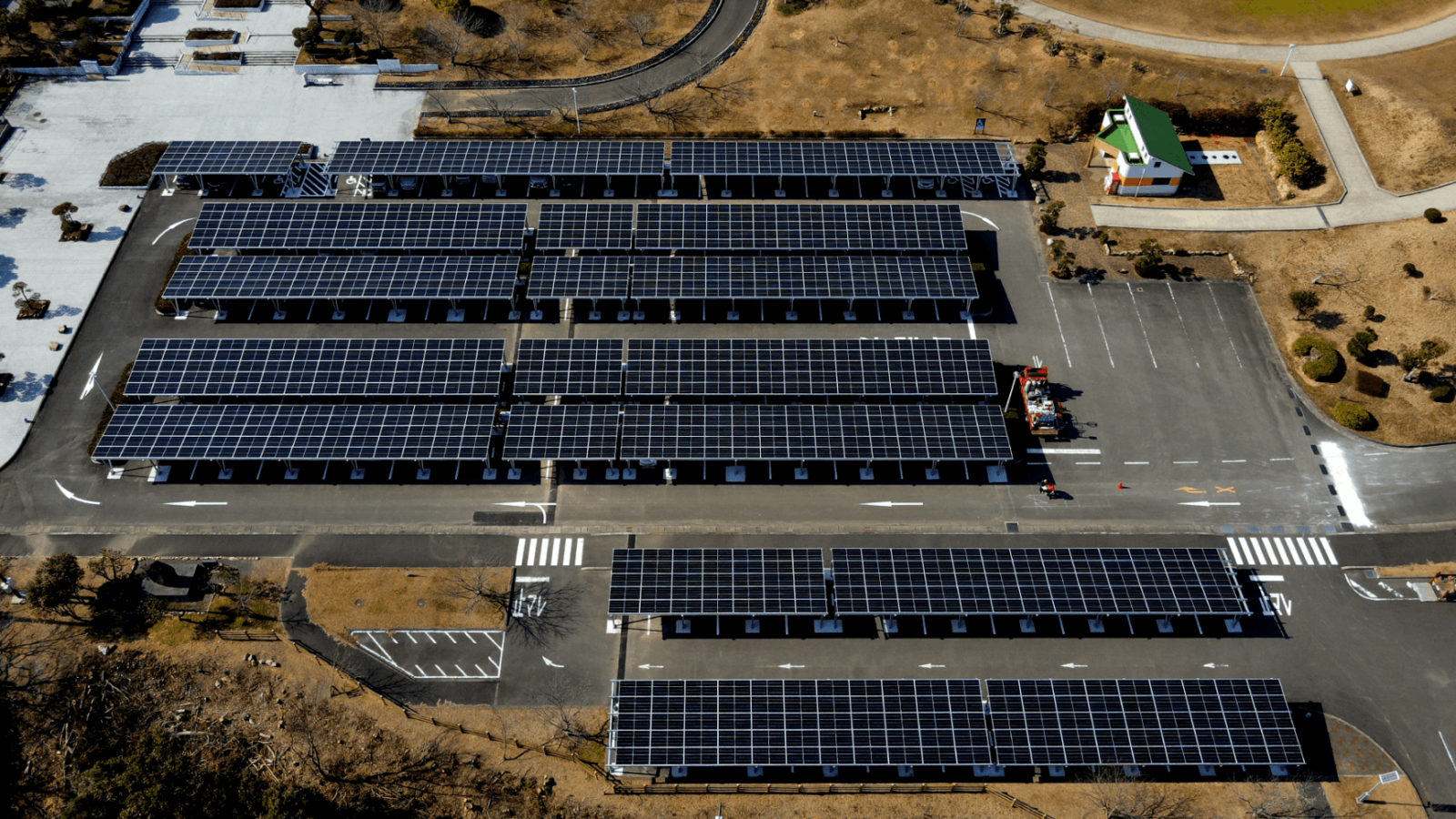
Why Airport Parking Requires Specialized Solar Carport Engineering
Airport parking areas differ from typical commercial parking applications. These facilities operate continuously, accommodate large numbers of vehicles, and must meet strict safety standards. Any additional infrastructure introduced near airport operations requires careful consideration of environmental and operational factors.
One major challenge is glare management. Solar modules can reflect sunlight under certain conditions, potentially affecting visibility for pilots, airport personnel, and nearby operations. Therefore, solar carport designs used in airport environments must consider module orientation, installation angles, and surrounding conditions to reduce unwanted reflection.
Wind resistance is another critical factor. Open parking areas often experience strong wind loads because there are fewer surrounding structures to provide protection. A solar carport system must maintain structural stability while supporting photovoltaic modules throughout changing weather conditions.
Managing Solar Reflection Risks Through Smart Design
Anti-glare engineering is an essential part of airport solar carport planning. Unlike conventional rooftop installations, parking structures near airports require additional analysis because reflected sunlight may interact with flight paths or airport infrastructure.
Professional solar carport manufacturers evaluate multiple factors during system design, including geographic location, sun position, module arrangement, and local regulations. Through optimized layouts and appropriate structural designs, solar carports can minimize potential glare risks while maintaining efficient solar energy production.
Early project planning also helps determine the most suitable module positioning and support structure. A well-designed system can reduce unnecessary reflection without significantly affecting energy generation, allowing airport parking facilities to benefit from renewable power while maintaining operational safety.
High-Wind Structural Requirements for Airport Solar Carports
Wind load is one of the most important considerations for solar carport engineering. Since airport parking areas are usually large and exposed, structures must withstand strong wind pressure over long operational periods.
A reliable solar carport system requires careful structural calculations, durable materials, and optimized connection methods. Engineers must consider local wind conditions, foundation design, material strength, and overall system configuration to ensure long-term stability.
The structure should also support efficient installation and maintenance. Airport facilities often have strict operation schedules, meaning construction and maintenance activities need to minimize disruption. A well-engineered solar carport can improve project efficiency while meeting demanding performance requirements.
Balancing Energy Generation and Parking Functionality
Airport long-term parking facilities have significant available space, making them suitable locations for solar power generation. However, the primary purpose of these areas remains vehicle storage and passenger convenience.
A successful solar carport project should provide sufficient shade coverage while maintaining comfortable vehicle access. Structural layouts must consider parking dimensions, traffic flow, charging infrastructure requirements, and future expansion possibilities.
The integration of solar generation with parking infrastructure creates additional value. Beyond producing renewable electricity, solar carports can reduce vehicle heat exposure and improve the overall parking environment. For airports pursuing sustainability targets, this combination provides both operational and environmental benefits.
Selecting Reliable Partners for Complex Solar Carport Projects
Large-scale airport projects require cooperation with experienced engineering teams that understand both photovoltaic technology and structural requirements. The right partner should provide customized solutions rather than relying only on standardized designs.
Experienced solar carport manufacturers support projects through detailed engineering analysis, structural optimization, and application-specific planning. This approach helps customers address challenges related to safety, installation efficiency, and long-term performance.
For airport applications, customization is especially important. Each site has different wind conditions, parking layouts, operational requirements, and environmental considerations. A flexible supplier can adjust designs to meet project goals while ensuring reliable system performance.
Delivering Advanced Solar Carport Solutions for Future Infrastructure
As airports continue investing in sustainable infrastructure, solar carports are becoming an effective way to combine renewable energy generation with practical space utilization. However, successful implementation requires careful engineering focused on glare control, wind resistance, and operational reliability.
Antaisolar provides customized photovoltaic mounting solutions for different application scenarios. As one of the experienced solar carport manufacturers, Antaisolar develops solar carport mounting systems that combine vehicle protection with clean energy generation. Its carport solar mounting systems use rugged aluminum frames and high-efficiency solar integration to create reliable parking solutions for residential, commercial, and EV charging applications.
For large parking applications, Antaisolar offers carport structures with structural integrity, load-bearing capacity, and flexible installation options. Its W Shape solar carport structure features strong structural integrity, high load-bearing capacity, excellent stability, and efficient installation, making it suitable for solar carport mounting and large-scale parking applications.
By combining engineering expertise, durable structures, and customized design capabilities, Antaisolar helps customers build solar carport projects that support sustainability goals while maintaining safety and long-term value. As demand for renewable infrastructure grows, advanced solar carport engineering will continue to play an important role in creating smarter and more efficient transportation environments.
end