
Ballasted vs. Penetrating Tile Roof Mounting Systems: How to Choose the Right Solar Installation Method
June 19, 2026
Tile roofs create a unique challenge for solar installations because the mounting system must work with a roof structure that was not originally designed to carry photovoltaic equipment. The wrong attachment method can affect roof durability, increase installation complexity, or create unnecessary maintenance issues.
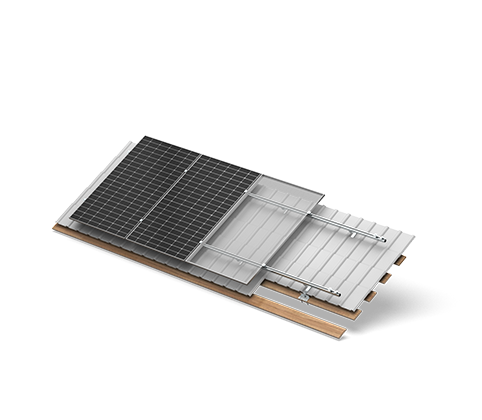
When selecting a tile roof mounting system, many project developers compare ballasted and penetrating solutions. Although both methods secure solar panels above the roof surface, they solve different engineering problems. Ballasted systems avoid direct roof attachment by using weight, while penetrating systems connect the array to the building structure through mechanical fixing points.
The right choice depends on more than installation preference. Roof design, wind exposure, structural capacity, waterproofing requirements, and future maintenance plans all influence which approach delivers the best long-term result.
A tile roof is not simply a sloped version of a flat roof. The tiles provide weather protection, but they are not usually the primary structural element supporting solar loads. The mounting design must transfer forces through the appropriate structural layers without damaging the roofing system.
This creates a key question during project planning: should the solar array rely on additional weight placed on the roof, or should it be mechanically connected to the building structure?
For flat commercial roofs, ballasted solutions are often considered because there is enough surface area for weight distribution. Tile roofs, however, usually have slopes, irregular surfaces, and limited areas suitable for placing ballast. These characteristics can significantly change the feasibility of a non-penetrating approach.
Understanding this difference helps avoid selecting a system based only on installation convenience.
Ballasted mounting systems work by using the weight of concrete blocks or other ballast materials to counteract wind uplift forces. Instead of attaching rails directly to the roof, the system creates stability through calculated loading and aerodynamic design.
The main attraction of this method is reducing roof penetrations. For building owners concerned about waterproofing risks, avoiding drilling can appear to be a major advantage. It can also simplify installation because workers do not need to locate roof rafters or modify existing roof structures.
However, the additional weight must be carefully evaluated. Tile roofs often have different structural limitations compared with flat industrial roofs. Adding significant ballast loads may exceed the roof’s allowable capacity or require reinforcement measures.
Wind conditions are another important consideration. In coastal regions, open areas, or high-rise locations, uplift forces can be substantial. A ballasted design must demonstrate that the system can remain stable under local environmental loads.
For these reasons, ballasted mounting is usually selected only when roof geometry and structural conditions clearly support this approach.
Penetrating mounting systems take a different route by transferring solar loads directly into the building’s structural framework. Instead of relying on additional weight, brackets, hooks, or mounting feet connect the PV structure to roof rafters or other load-bearing components.
This direct connection provides several engineering advantages. Wind forces are transferred through designed attachment points rather than resisted only by roof surface weight. For many pitched tile roofs, this creates a more stable and predictable structural solution.
Professionals know that a properly engineered penetrating tile roof system can maintain roof integrity without compromise. By using quality flashing components, effective sealing methods, and carefully chosen attachment locations, they ensure that waterproof performance remains intact.
The challenge is installation accuracy. The mounting team must understand roof construction, tile arrangement, and structural layout. Poorly positioned attachments or damaged tiles can create problems that affect the building long after installation.
Therefore, penetrating systems require higher installation precision but often provide stronger structural integration.
The choice between ballasted and penetrating solutions becomes clearer when looking at actual project requirements.
For buildings with lightweight roof structures, adding ballast may create unnecessary loading concerns. A penetrating design may be more suitable because it distributes forces through the existing framework.
For buildings where roof modification is strictly limited, ballasted solutions may offer advantages if structural capacity and roof layout allow their use.
Wind exposure can also change the decision. Projects in areas with stronger wind conditions generally require secure load transfer, making mechanical attachment a preferred option in many cases.
Maintenance planning should also be considered. A ballasted system may allow easier removal during roof repairs, while penetrating systems create a more permanent connection that requires careful planning if roof replacement is expected.
Neither method is automatically superior. The better solution is the one that matches the building conditions and performance requirements.
The best mounting choice is rarely determined by one factor alone. In many tile roof projects, the decision comes down to balancing structural performance, installation complexity, and long-term building protection.
A project where roof preservation is the highest priority may initially favor a non-penetrating approach. However, the available roof area, slope angle, and allowable loading capacity must support the additional weight required for stability. Without proper evaluation, avoiding roof penetrations could introduce new structural challenges.
For buildings with complex roof layouts or higher wind exposure, a mechanically attached solution may provide more predictable performance. By connecting directly to the supporting structure, penetrating systems can achieve stronger load transfer while reducing dependence on ballast weight.
Another consideration is the condition of the existing roof. Installing solar on an aging tile roof may require a different strategy compared with a newly constructed building. The mounting method should align with the expected roof lifespan, future maintenance plans, and the operational goals of the PV system.
Successful installation does not begin with picking a mounting method for one standout benefit, but rather with clarifying the project's true priorities. The most dependable systems emerge when roof characteristics, environmental factors, and solar design requirements are evaluated as a whole.
Before choosing between ballasted and penetrating systems, project teams should evaluate several key questions:
For most pitched tile roofs, mechanical attachment provides a practical balance between structural strength and system reliability. Ballasted options can be effective in specific situations but require careful engineering validation.
The best solar mounting decision comes from understanding the entire roof system rather than looking at the mounting hardware alone.
Ballasted and penetrating tile roof mounting systems each have their place in solar installation design. The final decision should be based on roof structure, environmental conditions, installation goals, and long-term operational requirements rather than choosing the simplest installation method.
Reliable PV starts with site reality. Roof protection and system durability come from engineering analysis plus the right mounting technology. Antaisolar keeps innovating adaptable solutions for all roof types and project requirements worldwide.
When selecting a tile roof mounting system, many project developers compare ballasted and penetrating solutions. Although both methods secure solar panels above the roof surface, they solve different engineering problems. Ballasted systems avoid direct roof attachment by using weight, while penetrating systems connect the array to the building structure through mechanical fixing points.
The right choice depends on more than installation preference. Roof design, wind exposure, structural capacity, waterproofing requirements, and future maintenance plans all influence which approach delivers the best long-term result.
Why Tile Roof Projects Require a Different Mounting Decision
A tile roof is not simply a sloped version of a flat roof. The tiles provide weather protection, but they are not usually the primary structural element supporting solar loads. The mounting design must transfer forces through the appropriate structural layers without damaging the roofing system.
This creates a key question during project planning: should the solar array rely on additional weight placed on the roof, or should it be mechanically connected to the building structure?
For flat commercial roofs, ballasted solutions are often considered because there is enough surface area for weight distribution. Tile roofs, however, usually have slopes, irregular surfaces, and limited areas suitable for placing ballast. These characteristics can significantly change the feasibility of a non-penetrating approach.
Understanding this difference helps avoid selecting a system based only on installation convenience.
The Engineering Logic Behind Ballasted Mounting
Ballasted mounting systems work by using the weight of concrete blocks or other ballast materials to counteract wind uplift forces. Instead of attaching rails directly to the roof, the system creates stability through calculated loading and aerodynamic design.
The main attraction of this method is reducing roof penetrations. For building owners concerned about waterproofing risks, avoiding drilling can appear to be a major advantage. It can also simplify installation because workers do not need to locate roof rafters or modify existing roof structures.
However, the additional weight must be carefully evaluated. Tile roofs often have different structural limitations compared with flat industrial roofs. Adding significant ballast loads may exceed the roof’s allowable capacity or require reinforcement measures.
Wind conditions are another important consideration. In coastal regions, open areas, or high-rise locations, uplift forces can be substantial. A ballasted design must demonstrate that the system can remain stable under local environmental loads.
For these reasons, ballasted mounting is usually selected only when roof geometry and structural conditions clearly support this approach.
Why Penetrating Systems Remain Common for Tile Roofs
Penetrating mounting systems take a different route by transferring solar loads directly into the building’s structural framework. Instead of relying on additional weight, brackets, hooks, or mounting feet connect the PV structure to roof rafters or other load-bearing components.
This direct connection provides several engineering advantages. Wind forces are transferred through designed attachment points rather than resisted only by roof surface weight. For many pitched tile roofs, this creates a more stable and predictable structural solution.
Professionals know that a properly engineered penetrating tile roof system can maintain roof integrity without compromise. By using quality flashing components, effective sealing methods, and carefully chosen attachment locations, they ensure that waterproof performance remains intact.
The challenge is installation accuracy. The mounting team must understand roof construction, tile arrangement, and structural layout. Poorly positioned attachments or damaged tiles can create problems that affect the building long after installation.
Therefore, penetrating systems require higher installation precision but often provide stronger structural integration.
Comparing the Two Approaches Through Real Project Conditions
The choice between ballasted and penetrating solutions becomes clearer when looking at actual project requirements.
For buildings with lightweight roof structures, adding ballast may create unnecessary loading concerns. A penetrating design may be more suitable because it distributes forces through the existing framework.
For buildings where roof modification is strictly limited, ballasted solutions may offer advantages if structural capacity and roof layout allow their use.
Wind exposure can also change the decision. Projects in areas with stronger wind conditions generally require secure load transfer, making mechanical attachment a preferred option in many cases.
Maintenance planning should also be considered. A ballasted system may allow easier removal during roof repairs, while penetrating systems create a more permanent connection that requires careful planning if roof replacement is expected.
Neither method is automatically superior. The better solution is the one that matches the building conditions and performance requirements.
Making the Final Decision: Matching the Mounting Method to Project Priorities
The best mounting choice is rarely determined by one factor alone. In many tile roof projects, the decision comes down to balancing structural performance, installation complexity, and long-term building protection.
A project where roof preservation is the highest priority may initially favor a non-penetrating approach. However, the available roof area, slope angle, and allowable loading capacity must support the additional weight required for stability. Without proper evaluation, avoiding roof penetrations could introduce new structural challenges.
For buildings with complex roof layouts or higher wind exposure, a mechanically attached solution may provide more predictable performance. By connecting directly to the supporting structure, penetrating systems can achieve stronger load transfer while reducing dependence on ballast weight.
Another consideration is the condition of the existing roof. Installing solar on an aging tile roof may require a different strategy compared with a newly constructed building. The mounting method should align with the expected roof lifespan, future maintenance plans, and the operational goals of the PV system.
Successful installation does not begin with picking a mounting method for one standout benefit, but rather with clarifying the project's true priorities. The most dependable systems emerge when roof characteristics, environmental factors, and solar design requirements are evaluated as a whole.
A Practical Selection Guide for Solar Developers and Owners
Before choosing between ballasted and penetrating systems, project teams should evaluate several key questions:
- Can the roof safely support additional ballast weight?
- Is there sufficient surface area for stable ballast placement?
- What wind loads must the system withstand?
- How will waterproofing be maintained?
- Will the roof require future repair or replacement?
- Does the mounting design match local installation conditions?
For most pitched tile roofs, mechanical attachment provides a practical balance between structural strength and system reliability. Ballasted options can be effective in specific situations but require careful engineering validation.
The best solar mounting decision comes from understanding the entire roof system rather than looking at the mounting hardware alone.
Conclusion
Ballasted and penetrating tile roof mounting systems each have their place in solar installation design. The final decision should be based on roof structure, environmental conditions, installation goals, and long-term operational requirements rather than choosing the simplest installation method.
Reliable PV starts with site reality. Roof protection and system durability come from engineering analysis plus the right mounting technology. Antaisolar keeps innovating adaptable solutions for all roof types and project requirements worldwide.
end