
Best Vertical Solar Mounting Systems for Limited-Land Solar Projects
August 20, 2026
The increasing demand for renewable energy has created new challenges for solar developers, especially when available land resources are limited. Traditional ground-mounted PV systems may require large areas, making site selection more difficult in regions with high land costs or competing land uses. A vertical solar mounting system provides an innovative approach by improving land utilization while maintaining reliable solar energy performance, making it an attractive option for modern solar projects.
Land availability has become a critical consideration for utility-scale and commercial solar developments. Projects located near urban areas, agricultural regions, highways, and industrial zones often face restrictions on available installation space. Developers must find solutions that can maximize energy production without requiring extensive land occupation.
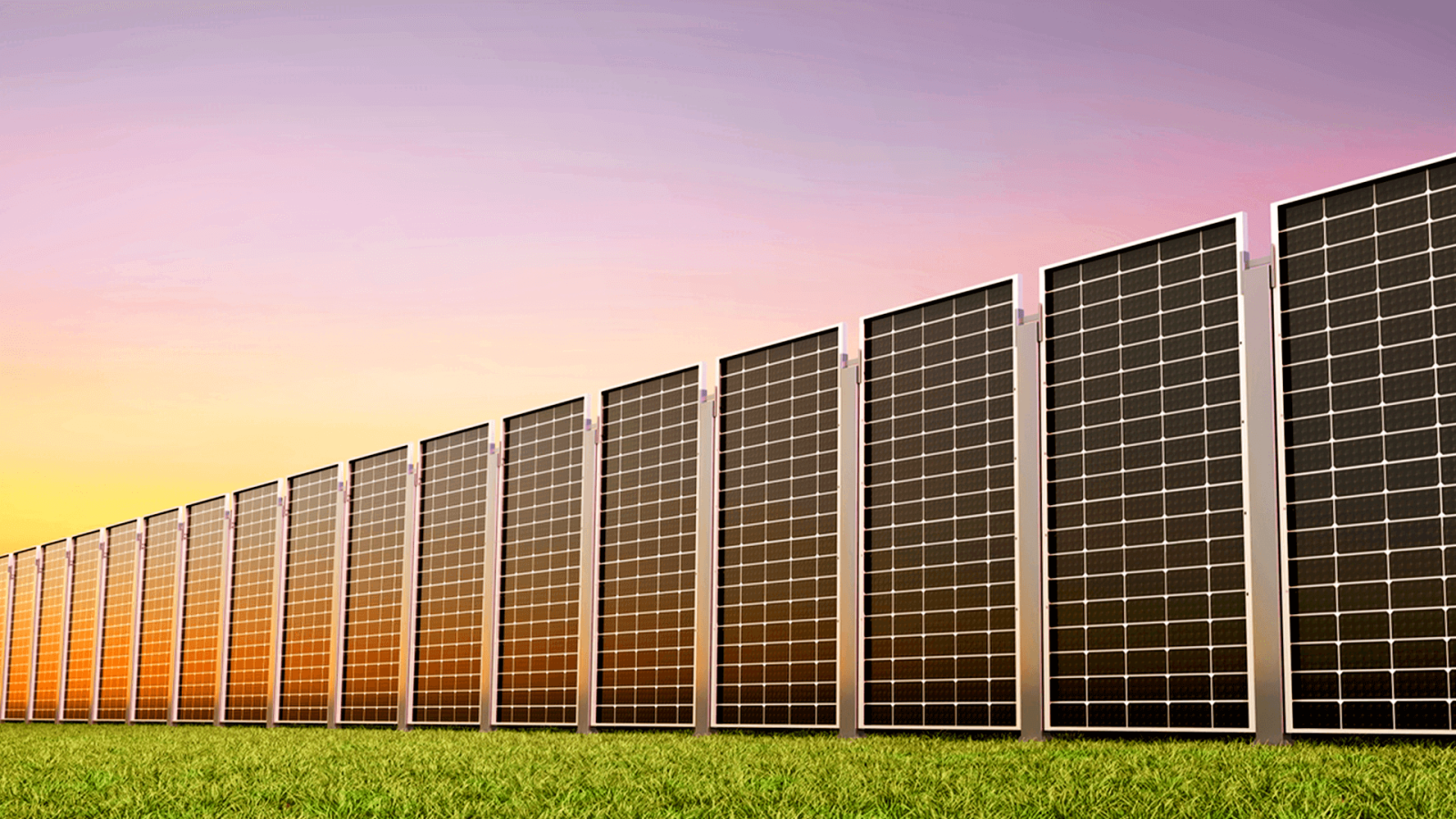
A vertical solar mounting system addresses these challenges by installing photovoltaic modules in a vertical orientation rather than using traditional tilted structures. This configuration allows solar projects to use narrow spaces and alternative land applications while supporting photovoltaic generation.
For project owners, choosing the right mounting structure is not only a technical decision but also a business consideration. Efficient land use can reduce development limitations, expand project possibilities, and improve the overall return on investment.
One of the major advantages of a vertical solar mounting system is its ability to support solar deployment in locations where conventional layouts may not be practical. By reducing the space required between module rows, vertical configurations can increase the flexibility of project planning.
These systems are especially suitable for land-constrained applications such as agricultural areas, roadside projects, and sites with irregular layouts. The vertical arrangement can also create opportunities for dual-purpose land use, allowing solar generation to coexist with other activities.
Compared with traditional mounting approaches, vertical solar mounting systems provide developers with more options when selecting project locations. This flexibility helps overcome land restrictions and supports broader adoption of renewable energy in diverse environments.
Modern solar projects increasingly adopt bifacial modules because they can generate electricity from both the front and rear sides of the panel. Vertical mounting structures are particularly suitable for bifacial applications because their orientation allows better exposure to reflected and scattered sunlight.
A well-designed vertical solar mounting system can help capture additional solar energy from different angles throughout the day. This makes it an effective solution for projects aiming to improve energy output while maintaining a compact land footprint.
However, maximizing bifacial performance requires careful consideration of factors such as site conditions, module spacing, surface reflectivity, and system design. Professional engineering support is essential to ensure that the mounting structure matches the specific requirements of each project.
Solar mounting systems must provide stable performance throughout decades of operation. Limited-land projects are often developed in diverse environments, where factors such as snow loads, wind conditions, and soil characteristics can influence structural requirements.
A reliable vertical solar mounting system should be designed with adaptable structural components that meet regional standards and environmental demands. Proper engineering ensures that the system can withstand different weather conditions while maintaining long-term operational safety.
Standardized structural design also helps simplify installation and maintenance processes. For EPC contractors and developers, this means improved construction efficiency and reduced risks during project execution.
The application range of vertical solar solutions continues to grow as the solar industry explores more flexible deployment methods. These systems can be integrated into agricultural land, transportation infrastructure, and other areas where traditional solar installations may face limitations.
For example, vertical solar installations can serve as energy-generating fencing solutions while maintaining the original function of the land. They can also be applied along highways or open spaces where available installation areas are narrow.
As renewable energy development becomes more integrated with existing infrastructure, vertical mounting technologies provide valuable opportunities for expanding solar adoption without significantly increasing land demand.
We at Antaisolar are committed to accelerating renewable energy development through technological innovation and providing comprehensive PV mounting system solutions worldwide. Our product portfolio includes fixed mounting systems, tracking systems, and BIPV solutions, covering different materials, functions, and service requirements for global customers.
With extensive experience in solar mounting technology, we understand the challenges faced by developers working on limited-land projects. Our vertical solar mounting systems are designed to maximize land utilization while maintaining excellent energy performance, providing flexible solutions for modern photovoltaic applications.
Our Vertical Ground Mount Solutions support both portrait and landscape module layouts, offering installation flexibility for different project requirements. The systems can be installed with optional ground screw or concrete foundations, making them suitable for applications such as pastures, fencing, highways, and other land-constrained locations.
To ensure reliable long-term operation, our vertical solar mounting system solutions use load-specific structural cross-sections designed for different snow load conditions. They are engineered according to recognized standards, including Eurocode, NEN, and BS EN requirements, helping projects achieve dependable structural performance in various environments.
As solar projects continue expanding into areas with limited available land, innovative mounting solutions will become increasingly important. A vertical solar mounting system provides developers with a practical way to improve land efficiency, support bifacial energy generation, and expand solar applications.
Through advanced engineering and customer-focused solutions, Antaisolar continues to help global partners overcome land constraints and achieve more efficient renewable energy deployment. By combining reliable structures with flexible designs, vertical solar technologies can support a more sustainable and accessible solar future.
Why Limited-Land Solar Projects Need New Mounting Approaches
Land availability has become a critical consideration for utility-scale and commercial solar developments. Projects located near urban areas, agricultural regions, highways, and industrial zones often face restrictions on available installation space. Developers must find solutions that can maximize energy production without requiring extensive land occupation.
A vertical solar mounting system addresses these challenges by installing photovoltaic modules in a vertical orientation rather than using traditional tilted structures. This configuration allows solar projects to use narrow spaces and alternative land applications while supporting photovoltaic generation.
For project owners, choosing the right mounting structure is not only a technical decision but also a business consideration. Efficient land use can reduce development limitations, expand project possibilities, and improve the overall return on investment.
How Vertical Solar Mounting System Improves Land Utilization
One of the major advantages of a vertical solar mounting system is its ability to support solar deployment in locations where conventional layouts may not be practical. By reducing the space required between module rows, vertical configurations can increase the flexibility of project planning.
These systems are especially suitable for land-constrained applications such as agricultural areas, roadside projects, and sites with irregular layouts. The vertical arrangement can also create opportunities for dual-purpose land use, allowing solar generation to coexist with other activities.
Compared with traditional mounting approaches, vertical solar mounting systems provide developers with more options when selecting project locations. This flexibility helps overcome land restrictions and supports broader adoption of renewable energy in diverse environments.
Supporting Bifacial Modules for Enhanced Energy Performance
Modern solar projects increasingly adopt bifacial modules because they can generate electricity from both the front and rear sides of the panel. Vertical mounting structures are particularly suitable for bifacial applications because their orientation allows better exposure to reflected and scattered sunlight.
A well-designed vertical solar mounting system can help capture additional solar energy from different angles throughout the day. This makes it an effective solution for projects aiming to improve energy output while maintaining a compact land footprint.
However, maximizing bifacial performance requires careful consideration of factors such as site conditions, module spacing, surface reflectivity, and system design. Professional engineering support is essential to ensure that the mounting structure matches the specific requirements of each project.
Structural Reliability for Different Environmental Conditions
Solar mounting systems must provide stable performance throughout decades of operation. Limited-land projects are often developed in diverse environments, where factors such as snow loads, wind conditions, and soil characteristics can influence structural requirements.
A reliable vertical solar mounting system should be designed with adaptable structural components that meet regional standards and environmental demands. Proper engineering ensures that the system can withstand different weather conditions while maintaining long-term operational safety.
Standardized structural design also helps simplify installation and maintenance processes. For EPC contractors and developers, this means improved construction efficiency and reduced risks during project execution.
Expanding Applications Beyond Traditional Solar Farms
The application range of vertical solar solutions continues to grow as the solar industry explores more flexible deployment methods. These systems can be integrated into agricultural land, transportation infrastructure, and other areas where traditional solar installations may face limitations.
For example, vertical solar installations can serve as energy-generating fencing solutions while maintaining the original function of the land. They can also be applied along highways or open spaces where available installation areas are narrow.
As renewable energy development becomes more integrated with existing infrastructure, vertical mounting technologies provide valuable opportunities for expanding solar adoption without significantly increasing land demand.
Antaisolar Provides Advanced Vertical Ground Mount Solutions for Land-Constrained Projects
We at Antaisolar are committed to accelerating renewable energy development through technological innovation and providing comprehensive PV mounting system solutions worldwide. Our product portfolio includes fixed mounting systems, tracking systems, and BIPV solutions, covering different materials, functions, and service requirements for global customers.
With extensive experience in solar mounting technology, we understand the challenges faced by developers working on limited-land projects. Our vertical solar mounting systems are designed to maximize land utilization while maintaining excellent energy performance, providing flexible solutions for modern photovoltaic applications.
Our Vertical Ground Mount Solutions support both portrait and landscape module layouts, offering installation flexibility for different project requirements. The systems can be installed with optional ground screw or concrete foundations, making them suitable for applications such as pastures, fencing, highways, and other land-constrained locations.
To ensure reliable long-term operation, our vertical solar mounting system solutions use load-specific structural cross-sections designed for different snow load conditions. They are engineered according to recognized standards, including Eurocode, NEN, and BS EN requirements, helping projects achieve dependable structural performance in various environments.
Creating More Flexible Paths for Future Solar Development
As solar projects continue expanding into areas with limited available land, innovative mounting solutions will become increasingly important. A vertical solar mounting system provides developers with a practical way to improve land efficiency, support bifacial energy generation, and expand solar applications.
Through advanced engineering and customer-focused solutions, Antaisolar continues to help global partners overcome land constraints and achieve more efficient renewable energy deployment. By combining reliable structures with flexible designs, vertical solar technologies can support a more sustainable and accessible solar future.
end