
How 6A22 High-Strength Aluminum Improves Rooftop Solar Mounting Structure Durability
June 06, 2026
A solar mounting system is expected to perform reliably for decades, yet the structural challenges it faces begin immediately after installation. Wind uplift, snow pressure, thermal expansion, and daily environmental changes continuously test the strength of every rail, bracket, and connection point.
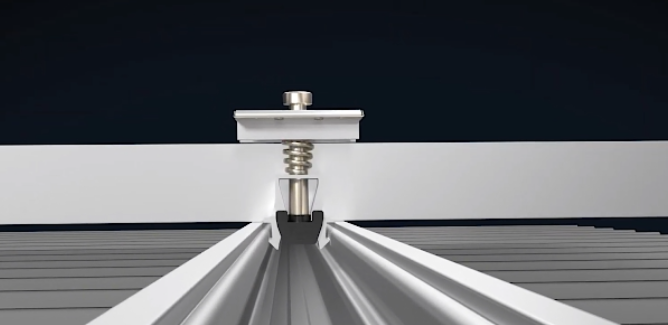
For rooftop PV projects, the challenge is not simply creating a structure that can support solar panels. The system must achieve long-term stability while keeping weight under control, especially when installed on buildings with limited roof loading capacity.
Material selection has a direct impact on these requirements. Traditional aluminum alloys have supported many PV applications, but the increasing demand for larger modules, higher wind loads, and longer service expectations has pushed engineers to explore stronger materials.
Using high-tensile 6A22 aluminum allows a rooftop solar mounting structure to achieve improved mechanical performance while maintaining the lightweight characteristics that make aluminum suitable for rooftop installations.
Aluminum has become a popular choice for solar mounting because it offers several advantages over heavier materials. It is lightweight, naturally corrosion-resistant, and easier to transport and install compared with many steel alternatives.
However, rooftop solar projects are becoming more demanding. Modern PV modules are larger, arrays cover wider roof areas, and projects are increasingly installed in locations with challenging weather conditions.
Under these conditions, conventional aluminum profiles may require additional thickness or larger cross-sections to achieve the required load capacity. While increasing material volume can improve strength, it also adds weight, cost, and installation complexity.
The challenge for engineers is finding a better balance between structural performance and material efficiency. A stronger alloy can help solve this problem by allowing optimized designs rather than simply adding more material.
The strength of a mounting material determines how efficiently the structure can handle external forces.
During high winds, rooftop systems experience uplift forces that are transferred through modules, clamps, rails, and brackets. If structural components are not sufficiently strong, excessive deformation may affect system stability.
A high-strength aluminum alloy provides greater resistance against these loads. This allows engineers to design profiles that maintain stiffness while reducing unnecessary dimensions.
For a rooftop solar mounting structure, this design flexibility is valuable because every project has different limitations. A commercial building with strict roof load restrictions may require lightweight components, while a coastal installation may prioritize stronger resistance against wind forces.
The ability to achieve higher performance without significant weight increases gives designers more options when adapting systems to different project conditions.
6A22 aluminum alloy is developed for applications where higher mechanical performance is required. Compared with commonly used aluminum alloys in solar mounting applications, it provides enhanced strength characteristics that support more efficient structural designs.
The key advantage is the improved relationship between strength and weight. Instead of relying on thicker profiles to handle demanding loads, engineers can use the material properties of 6A22 to create optimized components.
This can benefit several parts of a mounting system:
For solar projects, this efficiency is especially important because mounting structures represent a significant part of the system’s mechanical foundation.
Solar mounting structures are exposed to repeated loading throughout their service life. A single extreme weather event may not determine system performance, but years of repeated stress can influence structural durability.
Wind cycles create repeated tension and compression forces on mounting components. Snow regions introduce additional downward loading that tests the strength of rails and support connections.
Temperature changes create another challenge. Aluminum expands and contracts with thermal variation, meaning the structure must accommodate movement while maintaining connection reliability.
A stronger material helps reduce the risk of permanent deformation under these conditions. When combined with proper engineering design, 6A22 aluminum can contribute to a more stable system that maintains its original performance over time.
Material strength does not replace good design, but it provides a stronger foundation for handling real-world operating conditions.
The benefits of high-strength aluminum are not limited to structural performance. Material efficiency can also influence transportation, installation, and overall project costs.
Lighter components are easier for installers to handle on rooftops, reducing the physical difficulty of construction. This can improve installation efficiency, especially for large commercial projects where hundreds or thousands of components must be installed.
At the same time, stronger materials can reduce the need for oversized profiles. Lower material consumption may improve logistics efficiency and simplify inventory management.
For project owners, these advantages contribute to lifecycle value. A well-designed mounting system reduces the likelihood of structural issues while supporting long-term energy production from the PV system.
Choosing a high-performance alloy is only one step in creating a reliable PV mounting solution. The final result depends on how the material works together with structural design, connection methods, and installation practices.
Engineers must consider factors such as:
A strong material can provide significant advantages, but those advantages are only fully realized when the complete system is designed correctly.
This is why advanced solar mounting solutions increasingly focus on material engineering rather than simply adding more components. Better materials allow more efficient structures that meet demanding performance requirements without unnecessary complexity.
As rooftop solar continues expanding into more diverse environments, mounting systems will face higher expectations for reliability and efficiency.
Large-scale commercial rooftops, buildings with limited structural capacity, and projects located in extreme climates all require solutions that maximize performance while minimizing weight.
High-tensile aluminum alloys such as 6A22 represent a move toward more refined PV engineering. By improving material performance at the foundation level, manufacturers can develop mounting systems that are stronger, lighter, and better adapted to modern solar applications.
The future of rooftop PV structures will depend not only on stronger components but also on smarter material selection and system optimization.
The durability of a rooftop PV installation begins with the materials used in its supporting structure. High-strength 6A22 aluminum provides improved mechanical performance that helps mounting systems handle demanding loads while maintaining lightweight advantages.
Combining innovative materials with practical engineering design is crucial for long-term solar reliability, in our opinion. According to our findings, structural efficiency, installation performance, and lifecycle value can all be enhanced by carefully choosing the alloy. Worldwide, rooftop solar projects rely on Antaisolar's dependable mounting solutions, which are developed using cutting-edge engineering and innovative materials.
For rooftop PV projects, the challenge is not simply creating a structure that can support solar panels. The system must achieve long-term stability while keeping weight under control, especially when installed on buildings with limited roof loading capacity.
Material selection has a direct impact on these requirements. Traditional aluminum alloys have supported many PV applications, but the increasing demand for larger modules, higher wind loads, and longer service expectations has pushed engineers to explore stronger materials.
Using high-tensile 6A22 aluminum allows a rooftop solar mounting structure to achieve improved mechanical performance while maintaining the lightweight characteristics that make aluminum suitable for rooftop installations.
Where Traditional Aluminum Structures Face Performance Limits
Aluminum has become a popular choice for solar mounting because it offers several advantages over heavier materials. It is lightweight, naturally corrosion-resistant, and easier to transport and install compared with many steel alternatives.
However, rooftop solar projects are becoming more demanding. Modern PV modules are larger, arrays cover wider roof areas, and projects are increasingly installed in locations with challenging weather conditions.
Under these conditions, conventional aluminum profiles may require additional thickness or larger cross-sections to achieve the required load capacity. While increasing material volume can improve strength, it also adds weight, cost, and installation complexity.
The challenge for engineers is finding a better balance between structural performance and material efficiency. A stronger alloy can help solve this problem by allowing optimized designs rather than simply adding more material.
Why Higher Strength Changes Solar Mounting Design Possibilities
The strength of a mounting material determines how efficiently the structure can handle external forces.
During high winds, rooftop systems experience uplift forces that are transferred through modules, clamps, rails, and brackets. If structural components are not sufficiently strong, excessive deformation may affect system stability.
A high-strength aluminum alloy provides greater resistance against these loads. This allows engineers to design profiles that maintain stiffness while reducing unnecessary dimensions.
For a rooftop solar mounting structure, this design flexibility is valuable because every project has different limitations. A commercial building with strict roof load restrictions may require lightweight components, while a coastal installation may prioritize stronger resistance against wind forces.
The ability to achieve higher performance without significant weight increases gives designers more options when adapting systems to different project conditions.
6A22 Aluminum: Improving Load Performance Without Excess Weight
6A22 aluminum alloy is developed for applications where higher mechanical performance is required. Compared with commonly used aluminum alloys in solar mounting applications, it provides enhanced strength characteristics that support more efficient structural designs.
The key advantage is the improved relationship between strength and weight. Instead of relying on thicker profiles to handle demanding loads, engineers can use the material properties of 6A22 to create optimized components.
This can benefit several parts of a mounting system:
- Rails can maintain structural capacity with efficient profiles.
- Brackets can better resist loading at critical connection points.
- Support components can achieve reliable performance without unnecessary material increase.
For solar projects, this efficiency is especially important because mounting structures represent a significant part of the system’s mechanical foundation.
Reducing Long-Term Risks Under Wind, Snow, and Thermal Stress
Solar mounting structures are exposed to repeated loading throughout their service life. A single extreme weather event may not determine system performance, but years of repeated stress can influence structural durability.
Wind cycles create repeated tension and compression forces on mounting components. Snow regions introduce additional downward loading that tests the strength of rails and support connections.
Temperature changes create another challenge. Aluminum expands and contracts with thermal variation, meaning the structure must accommodate movement while maintaining connection reliability.
A stronger material helps reduce the risk of permanent deformation under these conditions. When combined with proper engineering design, 6A22 aluminum can contribute to a more stable system that maintains its original performance over time.
Material strength does not replace good design, but it provides a stronger foundation for handling real-world operating conditions.
How Material Selection Affects Installation and Project Economics
The benefits of high-strength aluminum are not limited to structural performance. Material efficiency can also influence transportation, installation, and overall project costs.
Lighter components are easier for installers to handle on rooftops, reducing the physical difficulty of construction. This can improve installation efficiency, especially for large commercial projects where hundreds or thousands of components must be installed.
At the same time, stronger materials can reduce the need for oversized profiles. Lower material consumption may improve logistics efficiency and simplify inventory management.
For project owners, these advantages contribute to lifecycle value. A well-designed mounting system reduces the likelihood of structural issues while supporting long-term energy production from the PV system.
Designing Solar Structures Around Material Performance
Choosing a high-performance alloy is only one step in creating a reliable PV mounting solution. The final result depends on how the material works together with structural design, connection methods, and installation practices.
Engineers must consider factors such as:
- Roof structure and load limitations
- Local wind and snow conditions
- Connection design
- Thermal movement requirements
- Corrosion exposure levels
A strong material can provide significant advantages, but those advantages are only fully realized when the complete system is designed correctly.
This is why advanced solar mounting solutions increasingly focus on material engineering rather than simply adding more components. Better materials allow more efficient structures that meet demanding performance requirements without unnecessary complexity.
The Future Role of Advanced Aluminum in Rooftop PV Systems
As rooftop solar continues expanding into more diverse environments, mounting systems will face higher expectations for reliability and efficiency.
Large-scale commercial rooftops, buildings with limited structural capacity, and projects located in extreme climates all require solutions that maximize performance while minimizing weight.
High-tensile aluminum alloys such as 6A22 represent a move toward more refined PV engineering. By improving material performance at the foundation level, manufacturers can develop mounting systems that are stronger, lighter, and better adapted to modern solar applications.
The future of rooftop PV structures will depend not only on stronger components but also on smarter material selection and system optimization.
Conclusion
The durability of a rooftop PV installation begins with the materials used in its supporting structure. High-strength 6A22 aluminum provides improved mechanical performance that helps mounting systems handle demanding loads while maintaining lightweight advantages.
Combining innovative materials with practical engineering design is crucial for long-term solar reliability, in our opinion. According to our findings, structural efficiency, installation performance, and lifecycle value can all be enhanced by carefully choosing the alloy. Worldwide, rooftop solar projects rely on Antaisolar's dependable mounting solutions, which are developed using cutting-edge engineering and innovative materials.
end