
How Anti-Loosening Lock Nuts Improve the Reliability of Solar Carport Mounting Systems
June 15, 2026
Solar carports operate in environments where structural connections are exposed to constant mechanical stress. Unlike indoor structures, parking canopies experience wind pressure, temperature changes, vehicle movement, and long-term outdoor exposure throughout their service life.
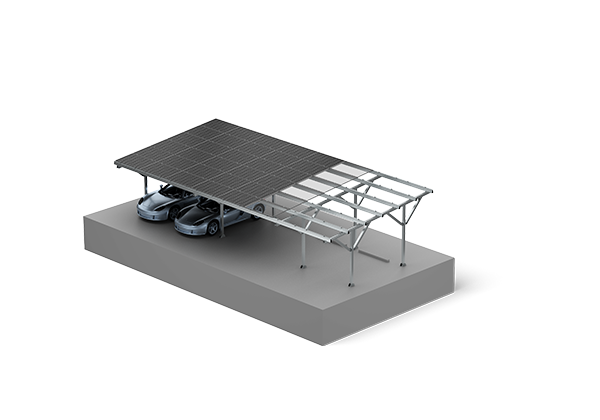
Although beams, columns, and foundations often receive the most attention during design, small fastening components also play a critical role in maintaining structural stability. A loose connection can gradually affect alignment, reduce load transfer efficiency, and increase maintenance requirements.
Anti-loosening lock nuts are designed to address this challenge by helping maintain stable fastening performance in solar carport structures. As a key component within a solar carport mounting system, these fasteners help protect critical joints where long-term connection reliability is required.
A solar carport is constantly exposed to forces that may influence bolted connections. Wind creates repeated loading cycles, while daily temperature changes cause expansion and contraction of metal components.
Over time, these conditions can reduce the clamping force between connected parts if fastening systems are not properly designed. Research on PV bolted joints highlights that repeated loading and joint movement can contribute to loosening risks when connections are not adequately controlled.
For carport structures, maintaining the original fastening condition is important because connections transfer forces between modules, rails, support frames, and foundations. Even small changes at individual joints can become more significant across a large installation.
A standard nut relies mainly on friction between threaded surfaces to remain secure. Under repeated vibration or dynamic loads, this friction may gradually decrease.
Anti-loosening lock nuts use additional locking mechanisms to reduce the possibility of unwanted rotation. Depending on the design, these mechanisms may involve thread interference, mechanical locking structures, or specialized nut geometries that maintain pressure within the joint.
The purpose is not simply to make installation tighter. The goal is to preserve the intended preload—the clamping force created when the bolt and nut are tightened.
Stable preload helps keep connected components working as a single structural unit.
Solar carport structures contain several connection points where fastening performance directly affects system behavior.
These include:
Each connection contributes to the overall load path of the carport. If one area experiences reduced clamping force, stress distribution across the structure may change.
Using appropriate locking fasteners at critical locations helps maintain connection consistency, especially in large commercial installations where inspection and manual adjustment of every joint can be challenging.
Wind is one of the main environmental factors affecting solar carport structures. Unlike simple static pressure, wind can create repeated fluctuations that cause small movements within structural components.
These repeated movements may gradually influence bolted connections if the fastening design does not provide sufficient resistance against loosening.
Anti-loosening lock nuts help reduce this risk by improving the stability of threaded joints under dynamic conditions. However, they work as part of a complete engineering approach that also includes structural calculation, proper torque control, and suitable material selection.
Fasteners cannot compensate for poor structural design, but correctly selected locking components can strengthen the reliability of well-engineered systems.
Preload is one of the most important concepts in bolted connection performance.
When a nut is tightened, it creates tension in the bolt and compression between connected components. This force keeps the joint stable and allows loads to transfer effectively.
If preload decreases, components may experience greater movement under external forces. Over time, this can contribute to wear, fatigue, and increased inspection requirements.
Anti-loosening solutions help preserve preload by resisting unwanted nut rotation. This is especially valuable for solar carports because the structures are expected to operate outdoors for many years with limited intervention.
Not every solar carport project faces the same operating conditions. Location, climate, structural design, and exposure level all influence fastening requirements.
Coastal projects may require stronger corrosion resistance due to salt exposure. High-wind regions may place greater emphasis on connection stability. Industrial environments may introduce additional vibration sources.
The selection of lock nuts should therefore match the actual project conditions rather than relying on a universal solution.
A well-designed solar carport mounting system considers fasteners as part of the structural strategy, not as a minor installation detail.
Even advanced locking components require correct installation to perform effectively.
Proper torque application is essential because insufficient or excessive tightening can affect joint behavior. Installation teams must follow engineering specifications and quality procedures to ensure each connection achieves the intended performance.
Manufacturing consistency also matters. Components produced with accurate dimensions and reliable material properties provide more predictable results during assembly.
For large-scale solar carport projects, connection quality control can have a significant impact on overall system reliability.
Once a solar carport is installed, accessing individual connections for inspection or adjustment may require additional labor and operational disruption.
A fastening design that helps prevent loosening from the beginning can reduce the need for corrective maintenance.
This does not eliminate the need for regular inspection, but it improves the ability of the structure to maintain its original condition under normal operating conditions.
For commercial property owners, stable connections support more predictable operation and reduce concerns about unexpected structural issues.
Fasteners may represent only a small portion of a solar carport structure, but their performance directly influences the stability of the entire system. Anti-loosening lock nuts help maintain connection strength by reducing the risk of preload loss caused by vibration, environmental exposure, and repeated loading.
When designing solar carport mounting solutions, Antaisolar takes dependable fastening into account to make sure all the structural parts operate together well during installation and operation. Reliable protection, energy generation, and structural performance in difficult commercial contexts can be achieved with solar carports by paying close attention to connecting details.
Although beams, columns, and foundations often receive the most attention during design, small fastening components also play a critical role in maintaining structural stability. A loose connection can gradually affect alignment, reduce load transfer efficiency, and increase maintenance requirements.
Anti-loosening lock nuts are designed to address this challenge by helping maintain stable fastening performance in solar carport structures. As a key component within a solar carport mounting system, these fasteners help protect critical joints where long-term connection reliability is required.
Why Fastener Stability Matters in Solar Carport Structures
A solar carport is constantly exposed to forces that may influence bolted connections. Wind creates repeated loading cycles, while daily temperature changes cause expansion and contraction of metal components.
Over time, these conditions can reduce the clamping force between connected parts if fastening systems are not properly designed. Research on PV bolted joints highlights that repeated loading and joint movement can contribute to loosening risks when connections are not adequately controlled.
For carport structures, maintaining the original fastening condition is important because connections transfer forces between modules, rails, support frames, and foundations. Even small changes at individual joints can become more significant across a large installation.
How Anti-Loosening Lock Nuts Work
A standard nut relies mainly on friction between threaded surfaces to remain secure. Under repeated vibration or dynamic loads, this friction may gradually decrease.
Anti-loosening lock nuts use additional locking mechanisms to reduce the possibility of unwanted rotation. Depending on the design, these mechanisms may involve thread interference, mechanical locking structures, or specialized nut geometries that maintain pressure within the joint.
The purpose is not simply to make installation tighter. The goal is to preserve the intended preload—the clamping force created when the bolt and nut are tightened.
Stable preload helps keep connected components working as a single structural unit.
Protecting Critical Connections in Solar Carports
Solar carport structures contain several connection points where fastening performance directly affects system behavior.
These include:
- Module support connections
- Rail-to-frame joints
- Beam and column connections
- Structural attachment points
Each connection contributes to the overall load path of the carport. If one area experiences reduced clamping force, stress distribution across the structure may change.
Using appropriate locking fasteners at critical locations helps maintain connection consistency, especially in large commercial installations where inspection and manual adjustment of every joint can be challenging.
Managing Wind-Induced Vibration and Dynamic Loads
Wind is one of the main environmental factors affecting solar carport structures. Unlike simple static pressure, wind can create repeated fluctuations that cause small movements within structural components.
These repeated movements may gradually influence bolted connections if the fastening design does not provide sufficient resistance against loosening.
Anti-loosening lock nuts help reduce this risk by improving the stability of threaded joints under dynamic conditions. However, they work as part of a complete engineering approach that also includes structural calculation, proper torque control, and suitable material selection.
Fasteners cannot compensate for poor structural design, but correctly selected locking components can strengthen the reliability of well-engineered systems.
The Importance of Maintaining Proper Preload
Preload is one of the most important concepts in bolted connection performance.
When a nut is tightened, it creates tension in the bolt and compression between connected components. This force keeps the joint stable and allows loads to transfer effectively.
If preload decreases, components may experience greater movement under external forces. Over time, this can contribute to wear, fatigue, and increased inspection requirements.
Anti-loosening solutions help preserve preload by resisting unwanted nut rotation. This is especially valuable for solar carports because the structures are expected to operate outdoors for many years with limited intervention.
Selecting Fasteners for Different Carport Environments
Not every solar carport project faces the same operating conditions. Location, climate, structural design, and exposure level all influence fastening requirements.
Coastal projects may require stronger corrosion resistance due to salt exposure. High-wind regions may place greater emphasis on connection stability. Industrial environments may introduce additional vibration sources.
The selection of lock nuts should therefore match the actual project conditions rather than relying on a universal solution.
A well-designed solar carport mounting system considers fasteners as part of the structural strategy, not as a minor installation detail.
Installation Quality and Connection Performance
Even advanced locking components require correct installation to perform effectively.
Proper torque application is essential because insufficient or excessive tightening can affect joint behavior. Installation teams must follow engineering specifications and quality procedures to ensure each connection achieves the intended performance.
Manufacturing consistency also matters. Components produced with accurate dimensions and reliable material properties provide more predictable results during assembly.
For large-scale solar carport projects, connection quality control can have a significant impact on overall system reliability.
Reducing Maintenance Challenges Through Better Joint Design
Once a solar carport is installed, accessing individual connections for inspection or adjustment may require additional labor and operational disruption.
A fastening design that helps prevent loosening from the beginning can reduce the need for corrective maintenance.
This does not eliminate the need for regular inspection, but it improves the ability of the structure to maintain its original condition under normal operating conditions.
For commercial property owners, stable connections support more predictable operation and reduce concerns about unexpected structural issues.
Conclusion
Fasteners may represent only a small portion of a solar carport structure, but their performance directly influences the stability of the entire system. Anti-loosening lock nuts help maintain connection strength by reducing the risk of preload loss caused by vibration, environmental exposure, and repeated loading.
When designing solar carport mounting solutions, Antaisolar takes dependable fastening into account to make sure all the structural parts operate together well during installation and operation. Reliable protection, energy generation, and structural performance in difficult commercial contexts can be achieved with solar carports by paying close attention to connecting details.
end