
How Corrugated Metal Roof Solar Mounts Help Reduce Installation Labor Costs
June 18, 2026
For rooftop solar projects, installation labor can significantly influence the overall project budget and construction timeline. While equipment costs are often evaluated first, the efficiency of the mounting process determines how quickly a solar array can be installed and commissioned.
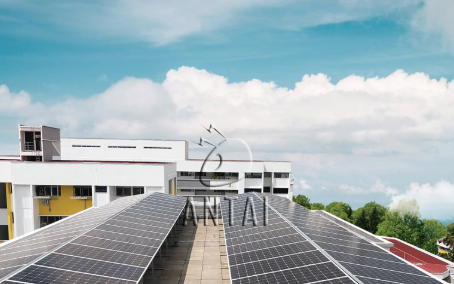
Corrugated metal roofs are widely used on industrial buildings, warehouses, agricultural facilities, and commercial structures. Their repeated wave patterns provide a predictable surface for solar attachment, but the installation method still needs to address challenges such as fastening accuracy, waterproofing, and component alignment.
A well-designed corrugated metal roof solar mount can reduce labor costs by simplifying installation procedures, minimizing onsite adjustments, and improving workflow efficiency. The key is not simply installing faster, but creating a system that allows crews to complete each step with fewer interruptions and less manual effort.
The largest labor expenses in rooftop solar projects usually come from repeated installation activities rather than individual complex tasks. On a large roof, small delays at each mounting point can accumulate into significant additional hours.
Workers typically spend time measuring attachment locations, positioning brackets, securing fasteners, checking alignment, and correcting installation inconsistencies. If the mounting components are not designed for the specific roof profile, crews may need to make adjustments during installation.
Corrugated metal roofs offer opportunities for efficiency because their repeating geometry allows mounting layouts to be standardized. When the bracket design matches the roof pattern, installers can follow a more consistent process across the entire project.
The shape of a corrugated roof directly affects how mounting components are installed. The distance between waves, ridge height, and panel structure determine where brackets can be positioned and how loads are transferred.
A suitable mounting system is designed around these characteristics instead of relying on generic attachment methods. Properly matched brackets reduce the need for field modifications because installers can place components according to predefined positions.
This improves installation speed in two ways. First, workers spend less time determining attachment locations. Second, the risk of incorrect placement that requires rework is reduced.
For large-scale projects, consistent bracket positioning can have a major impact on total labor hours.
Labor efficiency depends heavily on the number of steps required to complete each mounting connection. Systems that require multiple separate adjustments can slow down installation, especially when hundreds of brackets are involved.
By integrating compatible components into a streamlined mounting design, we enable installers to carry out attachment, rail connection, and module support with fewer steps.
For example, brackets designed specifically for corrugated profiles can reduce the need for additional adapters or onsite modifications. Fewer installation steps mean crews can maintain a faster working rhythm throughout the project.
However, reducing steps does not mean removing necessary engineering considerations. The mounting system must still provide secure connections, proper load transfer, and reliable weather protection.
Installation efficiency begins before materials arrive at the construction site. A clear mounting layout helps crews understand where each component should be installed and reduces decision-making during rooftop work.
In corrugated metal roof projects, pre-planned layouts establish bracket spacing, rail positions, and module arrangement ahead of time. This frees workers to concentrate on execution, rather than resolving design issues mid-installation.
Better planning also improves coordination between different installation teams. When the mounting process is predictable, material handling, electrical work, and module installation can progress with fewer delays.
Unplanned adjustments are one of the biggest sources of additional labor costs. They often occur when mounting components do not fully match the roof structure or when installation conditions differ from expectations.
These situations can be reduced through a properly designed corrugated roof mounting system—one that accounts for roof dimensions, fastener placement, and structural needs before any production begins.
Avoiding rework is especially valuable on commercial rooftops where access limitations can make corrections more difficult. Every additional visit or modification increases labor expenses and may affect the project schedule.
The most efficient systems are those that allow installers to complete the work correctly the first time.
Reducing installation time cannot come at the expense of system reliability. Corrugated metal roofs often require penetrative attachment methods, which means fastening quality and sealing performance remain critical.
Speed in installation pays off only when connections uphold long-term structural strength and weather resistance. That requires brackets, fasteners, and sealing solutions to function as an integrated system—protecting the roof while bearing photovoltaic loads.
Engineering preparation plays an important role here. Proper wind load analysis, material selection, and installation guidance help crews work efficiently without compromising performance.
The physical movement and organization of mounting components also affect installation productivity. Large rooftop projects involve transporting many small parts, and inefficient material management can slow down progress.
Systems with clearly organized components and simple installation sequences reduce time spent identifying parts or preparing assemblies.
Lightweight mounting components can also improve handling efficiency, especially when workers need to move materials across large roof areas. These improvements may seem minor individually, but they become significant when multiplied across an entire solar installation.
The amount of labor required for a corrugated roof solar project is often determined during the design stage. A mounting system with fewer components, clear installation steps, and accurate roof compatibility can significantly reduce time spent on preparation and adjustments.
For large rooftop projects, even small improvements in each attachment point can create noticeable differences in total installation hours. Pre-matched brackets, simplified fixing methods, and well-planned layouts allow installation teams to maintain a consistent workflow across the entire roof area.
This is where mounting design directly influences construction efficiency. A system engineered around the roof profile helps installers complete repetitive tasks faster while reducing interruptions caused by component mismatches or onsite modifications.
The labor advantage of corrugated metal roof solar mounts comes from making installation more predictable and efficient. When brackets, roof geometry, and project planning work together, installation teams can reduce unnecessary steps while maintaining structural and waterproofing performance.
With deep solar mounting expertise, Antaisolar develops rooftop solutions that balance engineering requirements with real-world installation conditions. This approach helps customers enhance efficiency across a wide range of metal roof applications.
Corrugated metal roofs are widely used on industrial buildings, warehouses, agricultural facilities, and commercial structures. Their repeated wave patterns provide a predictable surface for solar attachment, but the installation method still needs to address challenges such as fastening accuracy, waterproofing, and component alignment.
A well-designed corrugated metal roof solar mount can reduce labor costs by simplifying installation procedures, minimizing onsite adjustments, and improving workflow efficiency. The key is not simply installing faster, but creating a system that allows crews to complete each step with fewer interruptions and less manual effort.
Where Labor Time Is Spent During Corrugated Roof Solar Installation
The largest labor expenses in rooftop solar projects usually come from repeated installation activities rather than individual complex tasks. On a large roof, small delays at each mounting point can accumulate into significant additional hours.
Workers typically spend time measuring attachment locations, positioning brackets, securing fasteners, checking alignment, and correcting installation inconsistencies. If the mounting components are not designed for the specific roof profile, crews may need to make adjustments during installation.
Corrugated metal roofs offer opportunities for efficiency because their repeating geometry allows mounting layouts to be standardized. When the bracket design matches the roof pattern, installers can follow a more consistent process across the entire project.
Matching Bracket Design With Corrugated Roof Geometry
The shape of a corrugated roof directly affects how mounting components are installed. The distance between waves, ridge height, and panel structure determine where brackets can be positioned and how loads are transferred.
A suitable mounting system is designed around these characteristics instead of relying on generic attachment methods. Properly matched brackets reduce the need for field modifications because installers can place components according to predefined positions.
This improves installation speed in two ways. First, workers spend less time determining attachment locations. Second, the risk of incorrect placement that requires rework is reduced.
For large-scale projects, consistent bracket positioning can have a major impact on total labor hours.
Reducing Installation Steps Through Integrated Components
Labor efficiency depends heavily on the number of steps required to complete each mounting connection. Systems that require multiple separate adjustments can slow down installation, especially when hundreds of brackets are involved.
By integrating compatible components into a streamlined mounting design, we enable installers to carry out attachment, rail connection, and module support with fewer steps.
For example, brackets designed specifically for corrugated profiles can reduce the need for additional adapters or onsite modifications. Fewer installation steps mean crews can maintain a faster working rhythm throughout the project.
However, reducing steps does not mean removing necessary engineering considerations. The mounting system must still provide secure connections, proper load transfer, and reliable weather protection.
How Pre-Engineered Layouts Improve Crew Productivity
Installation efficiency begins before materials arrive at the construction site. A clear mounting layout helps crews understand where each component should be installed and reduces decision-making during rooftop work.
In corrugated metal roof projects, pre-planned layouts establish bracket spacing, rail positions, and module arrangement ahead of time. This frees workers to concentrate on execution, rather than resolving design issues mid-installation.
Better planning also improves coordination between different installation teams. When the mounting process is predictable, material handling, electrical work, and module installation can progress with fewer delays.
Minimizing Roof Adjustments and Rework
Unplanned adjustments are one of the biggest sources of additional labor costs. They often occur when mounting components do not fully match the roof structure or when installation conditions differ from expectations.
These situations can be reduced through a properly designed corrugated roof mounting system—one that accounts for roof dimensions, fastener placement, and structural needs before any production begins.
Avoiding rework is especially valuable on commercial rooftops where access limitations can make corrections more difficult. Every additional visit or modification increases labor expenses and may affect the project schedule.
The most efficient systems are those that allow installers to complete the work correctly the first time.
Balancing Speed With Structural and Waterproofing Requirements
Reducing installation time cannot come at the expense of system reliability. Corrugated metal roofs often require penetrative attachment methods, which means fastening quality and sealing performance remain critical.
Speed in installation pays off only when connections uphold long-term structural strength and weather resistance. That requires brackets, fasteners, and sealing solutions to function as an integrated system—protecting the roof while bearing photovoltaic loads.
Engineering preparation plays an important role here. Proper wind load analysis, material selection, and installation guidance help crews work efficiently without compromising performance.
Labor Savings Through Better Material Handling
The physical movement and organization of mounting components also affect installation productivity. Large rooftop projects involve transporting many small parts, and inefficient material management can slow down progress.
Systems with clearly organized components and simple installation sequences reduce time spent identifying parts or preparing assemblies.
Lightweight mounting components can also improve handling efficiency, especially when workers need to move materials across large roof areas. These improvements may seem minor individually, but they become significant when multiplied across an entire solar installation.
Installation Efficiency Starts Before Workers Reach the Roof
The amount of labor required for a corrugated roof solar project is often determined during the design stage. A mounting system with fewer components, clear installation steps, and accurate roof compatibility can significantly reduce time spent on preparation and adjustments.
For large rooftop projects, even small improvements in each attachment point can create noticeable differences in total installation hours. Pre-matched brackets, simplified fixing methods, and well-planned layouts allow installation teams to maintain a consistent workflow across the entire roof area.
This is where mounting design directly influences construction efficiency. A system engineered around the roof profile helps installers complete repetitive tasks faster while reducing interruptions caused by component mismatches or onsite modifications.
Conclusion
The labor advantage of corrugated metal roof solar mounts comes from making installation more predictable and efficient. When brackets, roof geometry, and project planning work together, installation teams can reduce unnecessary steps while maintaining structural and waterproofing performance.
With deep solar mounting expertise, Antaisolar develops rooftop solutions that balance engineering requirements with real-world installation conditions. This approach helps customers enhance efficiency across a wide range of metal roof applications.
end