
How Industrial Facilities Can Improve Solar Performance with the Right Tracking System
June 07, 2026
Large industrial sites are becoming more selective when planning solar installations. A factory roof, unused land beside a production facility, or a dedicated solar area is no longer viewed only as available space for panels. These areas represent long-term energy assets that must deliver reliable output, manageable operating costs, and stable performance throughout the project lifetime.
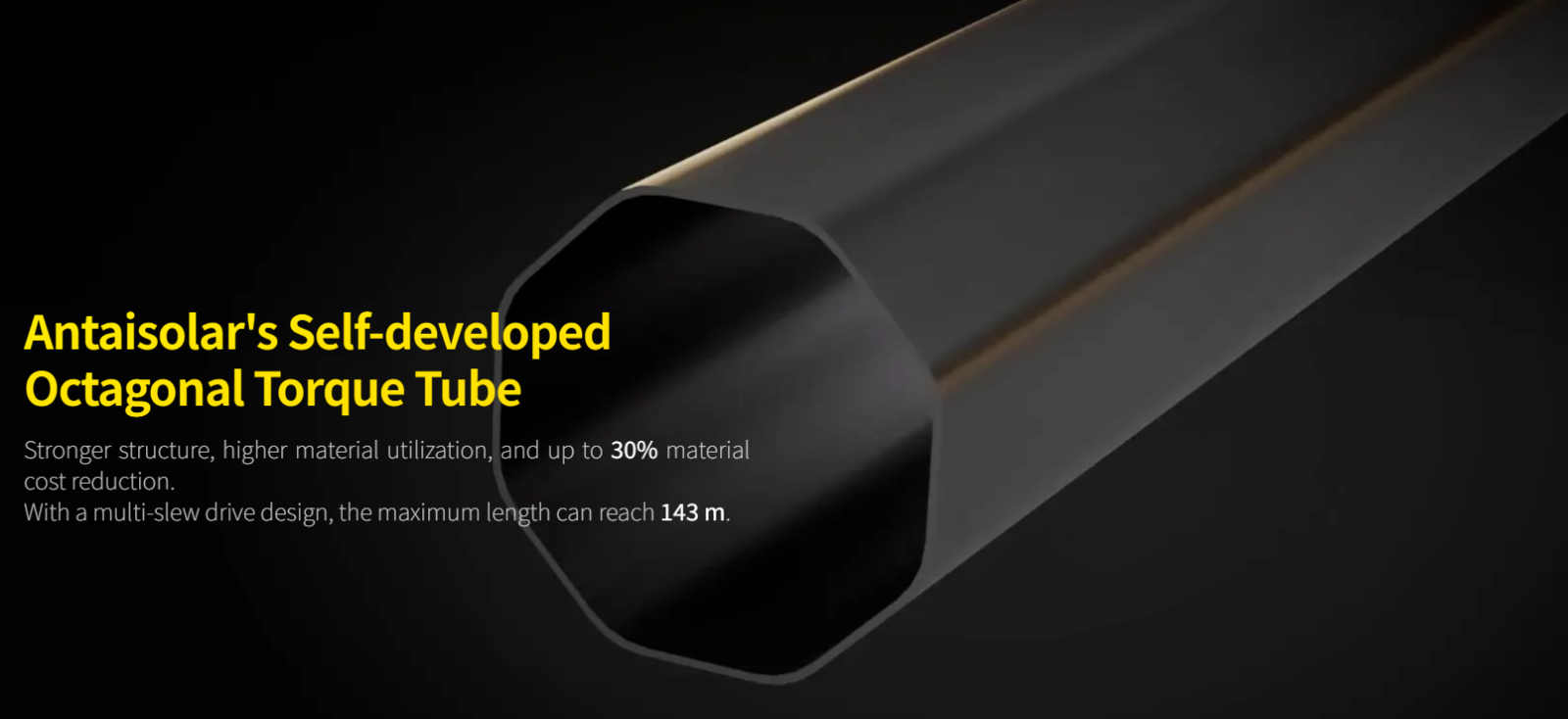
For large-scale photovoltaic projects, the mounting structure has a direct impact on how effectively the system operates. While module efficiency and inverter selection often receive significant attention, the tracking system also plays an important role in determining how much energy a solar installation can generate from the available site.
Industrial facilities usually have different priorities from smaller solar installations. A commercial solar tracker is designed for projects where improving energy yield, optimizing land usage, and maintaining reliable operation are major considerations.
Unlike fixed-tilt systems that keep modules at one angle, tracking systems adjust module positions according to the sun’s movement. This allows solar panels to receive sunlight more effectively during different periods of the day, especially in locations where maximizing generation from each installed module is important.
However, higher energy output should not be the only factor considered during system selection. Industrial projects require equipment that can operate consistently under local environmental conditions. A tracking solution must match the project’s terrain, wind conditions, construction schedule, and maintenance expectations.
For developers and facility owners, the best choice is not simply the system with the highest theoretical gain. It is the solution that provides a practical balance between energy performance and long-term reliability.
The performance of a solar tracking system depends heavily on structural design. Industrial installations are exposed to outdoor conditions for decades, meaning the mechanical structure must maintain stability while supporting continuous movement.
Wind load is one of the primary engineering concerns. Large solar modules create significant surface exposure, especially during extreme weather events. A reliable system needs carefully designed structural components and control strategies that help protect the installation when wind conditions become challenging.
Ground conditions also influence the final design approach. Industrial solar sites may include agricultural land, former industrial areas, or locations with uneven terrain. A flexible structure can simplify installation and reduce the amount of additional preparation required before construction begins.
Another important consideration is system maintenance. Since industrial facilities depend on predictable energy production, unexpected downtime can affect project returns. Equipment that allows easier inspection, troubleshooting, and component replacement can reduce operational difficulties over the system’s service life.
Increasing electricity generation is a key reason many industrial projects consider tracking technology, but the expected benefits must be evaluated alongside operational requirements.
A commercial solar tracker needs accurate positioning, dependable mechanical operation, and effective control functions. Small improvements in daily solar exposure can become significant over many years, but only when the system continues performing as designed.
Monitoring capability has also become an important part of modern solar projects. Operators need access to information about system status, movement performance, and potential issues. Effective monitoring allows maintenance teams to respond faster and make better decisions about system operation.
For industrial owners, this operational visibility provides confidence that the solar asset is producing according to expectations. It also helps reduce unnecessary maintenance activities by identifying problems before they become larger issues.
The construction phase can strongly influence the overall success of an industrial solar project. Large installations involve transportation, equipment assembly, labor coordination, and strict project timelines.
A well-designed tracking system should support efficient installation without creating additional complexity. Simplified assembly procedures, optimized components, and adaptable designs can help contractors complete projects more smoothly.
At the same time, installation speed should not replace engineering quality. Industrial solar facilities are expected to operate for many years, so decisions made during the construction stage can influence future maintenance requirements and operating costs.
Project owners should evaluate the complete lifecycle of the system rather than focusing only on initial installation expenses. A solution that performs reliably and requires fewer interventions may provide stronger value over time.
Choosing solar equipment for an industrial facility requires more than comparing product specifications. Each project has unique conditions that influence the final design, including location, climate, land characteristics, and operational goals.
The most effective approach is to evaluate how the entire system will perform after installation. A tracking solution should support stable energy production, withstand environmental challenges, and fit the practical needs of project operators.
This perspective helps industrial customers move beyond short-term performance expectations and focus on the long-term value of their solar investment.
Industrial solar projects succeed when technology choices reflect actual site requirements. A tracking system must continue working after construction is complete, during seasonal weather changes, and throughout years of daily operation.
Every industrial solar project comes with its own set of challenges. Antaisolar addresses them head-on with purpose-built mounting solutions—grounded in solid engineering and designed to deliver consistent, dependable performance project after project.
For companies investing in solar power, the strongest solutions are those that combine energy improvement with operational confidence. Careful planning and appropriate technology selection remain essential for creating solar installations that deliver lasting value.
For large-scale photovoltaic projects, the mounting structure has a direct impact on how effectively the system operates. While module efficiency and inverter selection often receive significant attention, the tracking system also plays an important role in determining how much energy a solar installation can generate from the available site.
Understanding the Role of a Commercial Solar Tracker in Industrial Projects
Industrial facilities usually have different priorities from smaller solar installations. A commercial solar tracker is designed for projects where improving energy yield, optimizing land usage, and maintaining reliable operation are major considerations.
Unlike fixed-tilt systems that keep modules at one angle, tracking systems adjust module positions according to the sun’s movement. This allows solar panels to receive sunlight more effectively during different periods of the day, especially in locations where maximizing generation from each installed module is important.
However, higher energy output should not be the only factor considered during system selection. Industrial projects require equipment that can operate consistently under local environmental conditions. A tracking solution must match the project’s terrain, wind conditions, construction schedule, and maintenance expectations.
For developers and facility owners, the best choice is not simply the system with the highest theoretical gain. It is the solution that provides a practical balance between energy performance and long-term reliability.
Engineering Factors That Influence Tracking System Selection
The performance of a solar tracking system depends heavily on structural design. Industrial installations are exposed to outdoor conditions for decades, meaning the mechanical structure must maintain stability while supporting continuous movement.
Wind load is one of the primary engineering concerns. Large solar modules create significant surface exposure, especially during extreme weather events. A reliable system needs carefully designed structural components and control strategies that help protect the installation when wind conditions become challenging.
Ground conditions also influence the final design approach. Industrial solar sites may include agricultural land, former industrial areas, or locations with uneven terrain. A flexible structure can simplify installation and reduce the amount of additional preparation required before construction begins.
Another important consideration is system maintenance. Since industrial facilities depend on predictable energy production, unexpected downtime can affect project returns. Equipment that allows easier inspection, troubleshooting, and component replacement can reduce operational difficulties over the system’s service life.
Balancing Energy Gains with Operational Requirements
Increasing electricity generation is a key reason many industrial projects consider tracking technology, but the expected benefits must be evaluated alongside operational requirements.
A commercial solar tracker needs accurate positioning, dependable mechanical operation, and effective control functions. Small improvements in daily solar exposure can become significant over many years, but only when the system continues performing as designed.
Monitoring capability has also become an important part of modern solar projects. Operators need access to information about system status, movement performance, and potential issues. Effective monitoring allows maintenance teams to respond faster and make better decisions about system operation.
For industrial owners, this operational visibility provides confidence that the solar asset is producing according to expectations. It also helps reduce unnecessary maintenance activities by identifying problems before they become larger issues.
Installation Planning for Large Solar Facilities
The construction phase can strongly influence the overall success of an industrial solar project. Large installations involve transportation, equipment assembly, labor coordination, and strict project timelines.
A well-designed tracking system should support efficient installation without creating additional complexity. Simplified assembly procedures, optimized components, and adaptable designs can help contractors complete projects more smoothly.
At the same time, installation speed should not replace engineering quality. Industrial solar facilities are expected to operate for many years, so decisions made during the construction stage can influence future maintenance requirements and operating costs.
Project owners should evaluate the complete lifecycle of the system rather than focusing only on initial installation expenses. A solution that performs reliably and requires fewer interventions may provide stronger value over time.
Selecting a Tracking Solution for Long-Term Project Success
Choosing solar equipment for an industrial facility requires more than comparing product specifications. Each project has unique conditions that influence the final design, including location, climate, land characteristics, and operational goals.
The most effective approach is to evaluate how the entire system will perform after installation. A tracking solution should support stable energy production, withstand environmental challenges, and fit the practical needs of project operators.
This perspective helps industrial customers move beyond short-term performance expectations and focus on the long-term value of their solar investment.
Building Solar Systems Around Real Operating Conditions
Industrial solar projects succeed when technology choices reflect actual site requirements. A tracking system must continue working after construction is complete, during seasonal weather changes, and throughout years of daily operation.
Every industrial solar project comes with its own set of challenges. Antaisolar addresses them head-on with purpose-built mounting solutions—grounded in solid engineering and designed to deliver consistent, dependable performance project after project.
For companies investing in solar power, the strongest solutions are those that combine energy improvement with operational confidence. Careful planning and appropriate technology selection remain essential for creating solar installations that deliver lasting value.
end