
Integrating Copper Grounding Routes Into Modular Rooftop Solar Mounting Systems
June 06, 2026
Rooftop photovoltaic installations must maintain electrical safety while supporting modules under constant environmental exposure. The mounting system is not only responsible for holding panels in position but also plays an important role in maintaining a reliable connection between metallic components across the array.
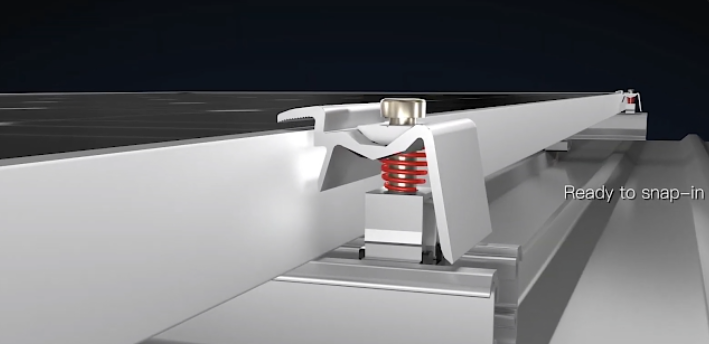
Traditional installation methods often add grounding components after the mechanical rack layout has been completed. This approach can increase field coordination work because electrical connections need to be adapted to an existing structure.
A more integrated design considers grounding pathways during the development of the rooftop mounting structure. By incorporating copper grounding routes into modular rack systems, engineers can create a more organized installation process while improving electrical continuity across rooftop solar arrays.
Solar mounting systems operate outdoors for decades, facing conditions such as rainfall, humidity, temperature changes, and wind exposure. These factors can gradually influence connection reliability if electrical pathways are not properly designed.
A rooftop array usually contains many conductive components, including rails, clamps, brackets, and module frames. Each connection point becomes part of the overall electrical network, making consistent grounding performance important for the entire installation.
Large commercial and industrial rooftops create additional challenges because the number of modules and structural connections increases significantly. Without a coordinated design, grounding installation can become more complicated and time-consuming.
For this reason, the rooftop mounting structure should be planned as both a mechanical framework and an electrical support system.
Copper is commonly selected for grounding applications because of its strong electrical conductivity and stable performance. When integrated into a solar rack system, copper pathways provide a dedicated route that connects different conductive sections of the installation.
The effectiveness of this design depends on how the grounding route interacts with the mechanical structure. Connection points must be carefully positioned so installers can complete electrical bonding while maintaining the strength of the rack assembly.
A modular mounting system provides greater flexibility because components can be arranged according to project requirements. Integrating copper pathways during the design stage allows grounding features to become part of the structure instead of an additional step added later.
This approach can reduce unnecessary adjustments during installation and create a more predictable construction process.
Many rooftop mounting systems use aluminum for rails and brackets because the material offers a favorable balance between weight, durability, and corrosion resistance. Copper grounding elements, meanwhile, provide excellent electrical conductivity.
However, direct contact between different metals requires careful consideration. In outdoor environments, material interactions may influence long-term connection performance if the interface is not properly managed.
Engineers designing a rooftop mounting structure need to evaluate connection hardware, protective methods, and environmental conditions when combining aluminum and copper components.
The objective is to maintain electrical reliability while preserving the structural performance of the mounting system. Proper material coordination allows each component to perform its intended function without creating unnecessary maintenance concerns.
Rooftop solar construction often takes place under practical limitations. Installers may need to work around existing building structures, restricted access areas, and tight project schedules.
A modular rack system with integrated grounding considerations can simplify installation planning. When electrical pathways are already incorporated into the mounting layout, field teams can follow clearer procedures rather than creating additional grounding arrangements during construction.
For EPC contractors, this coordination can improve workflow between mechanical and electrical teams. Everyone involved in the project has a clearer understanding of where connections should be completed and inspected.
The result is a cleaner installation process that supports both construction efficiency and system reliability.
Not every rooftop solar project has the same requirements. Metal roofs, concrete rooftops, and commercial building surfaces may create different design conditions for mounting and grounding.
The array configuration also affects how electrical pathways should be organized. Larger installations with multiple rows of modules require careful planning to maintain consistent connections throughout the system.
A well-engineered rooftop mounting structure needs enough flexibility to accommodate different building types while maintaining reliable electrical performance.
This adaptability is especially important as rooftop solar expands into industrial facilities, commercial buildings, and other applications where system layouts vary significantly.
Grounding systems must continue performing after the installation team leaves the site. Regular inspection and maintenance activities require technicians to identify connection points and verify that electrical pathways remain intact.
An integrated design makes these tasks easier because grounding components are organized within the overall mounting system. Clear layouts help reduce uncertainty during troubleshooting and routine checks.
For building owners and solar operators, easier inspection contributes to better management of the PV asset. A mounting system designed with both mechanical and electrical considerations can provide more predictable performance throughout its operating life.
Grounding design is no longer an isolated electrical task in rooftop solar projects. When copper pathways are considered together with modular mounting structures, installers can achieve a more coordinated system that addresses safety, construction efficiency, and long-term reliability.
Effective rooftop mounting requires more than mechanical strength—it demands synergy between structural design and electrical functionality. Antaisolar embeds this integrated approach into every solution, empowering project teams to assess complete system performance rather than piecemeal components.
The future of rooftop solar belongs to systems that do more than hold panels in place. By embracing holistic engineering, we create mounting infrastructures that provide a rock-solid foundation for safe, efficient, and enduring energy generation.
Traditional installation methods often add grounding components after the mechanical rack layout has been completed. This approach can increase field coordination work because electrical connections need to be adapted to an existing structure.
A more integrated design considers grounding pathways during the development of the rooftop mounting structure. By incorporating copper grounding routes into modular rack systems, engineers can create a more organized installation process while improving electrical continuity across rooftop solar arrays.
Why Grounding Integration Matters in Rooftop Solar Structures
Solar mounting systems operate outdoors for decades, facing conditions such as rainfall, humidity, temperature changes, and wind exposure. These factors can gradually influence connection reliability if electrical pathways are not properly designed.
A rooftop array usually contains many conductive components, including rails, clamps, brackets, and module frames. Each connection point becomes part of the overall electrical network, making consistent grounding performance important for the entire installation.
Large commercial and industrial rooftops create additional challenges because the number of modules and structural connections increases significantly. Without a coordinated design, grounding installation can become more complicated and time-consuming.
For this reason, the rooftop mounting structure should be planned as both a mechanical framework and an electrical support system.
Copper Pathways Bring Electrical Planning Into Rack Design
Copper is commonly selected for grounding applications because of its strong electrical conductivity and stable performance. When integrated into a solar rack system, copper pathways provide a dedicated route that connects different conductive sections of the installation.
The effectiveness of this design depends on how the grounding route interacts with the mechanical structure. Connection points must be carefully positioned so installers can complete electrical bonding while maintaining the strength of the rack assembly.
A modular mounting system provides greater flexibility because components can be arranged according to project requirements. Integrating copper pathways during the design stage allows grounding features to become part of the structure instead of an additional step added later.
This approach can reduce unnecessary adjustments during installation and create a more predictable construction process.
Managing Material Interaction Between Copper and Aluminum Components
Many rooftop mounting systems use aluminum for rails and brackets because the material offers a favorable balance between weight, durability, and corrosion resistance. Copper grounding elements, meanwhile, provide excellent electrical conductivity.
However, direct contact between different metals requires careful consideration. In outdoor environments, material interactions may influence long-term connection performance if the interface is not properly managed.
Engineers designing a rooftop mounting structure need to evaluate connection hardware, protective methods, and environmental conditions when combining aluminum and copper components.
The objective is to maintain electrical reliability while preserving the structural performance of the mounting system. Proper material coordination allows each component to perform its intended function without creating unnecessary maintenance concerns.
Making Rooftop Installation More Efficient Through Modular Design
Rooftop solar construction often takes place under practical limitations. Installers may need to work around existing building structures, restricted access areas, and tight project schedules.
A modular rack system with integrated grounding considerations can simplify installation planning. When electrical pathways are already incorporated into the mounting layout, field teams can follow clearer procedures rather than creating additional grounding arrangements during construction.
For EPC contractors, this coordination can improve workflow between mechanical and electrical teams. Everyone involved in the project has a clearer understanding of where connections should be completed and inspected.
The result is a cleaner installation process that supports both construction efficiency and system reliability.
Adapting Grounding Solutions to Different Rooftop Applications
Not every rooftop solar project has the same requirements. Metal roofs, concrete rooftops, and commercial building surfaces may create different design conditions for mounting and grounding.
The array configuration also affects how electrical pathways should be organized. Larger installations with multiple rows of modules require careful planning to maintain consistent connections throughout the system.
A well-engineered rooftop mounting structure needs enough flexibility to accommodate different building types while maintaining reliable electrical performance.
This adaptability is especially important as rooftop solar expands into industrial facilities, commercial buildings, and other applications where system layouts vary significantly.
Supporting Long-Term Inspection and Maintenance
Grounding systems must continue performing after the installation team leaves the site. Regular inspection and maintenance activities require technicians to identify connection points and verify that electrical pathways remain intact.
An integrated design makes these tasks easier because grounding components are organized within the overall mounting system. Clear layouts help reduce uncertainty during troubleshooting and routine checks.
For building owners and solar operators, easier inspection contributes to better management of the PV asset. A mounting system designed with both mechanical and electrical considerations can provide more predictable performance throughout its operating life.
Conclusion
Grounding design is no longer an isolated electrical task in rooftop solar projects. When copper pathways are considered together with modular mounting structures, installers can achieve a more coordinated system that addresses safety, construction efficiency, and long-term reliability.
Effective rooftop mounting requires more than mechanical strength—it demands synergy between structural design and electrical functionality. Antaisolar embeds this integrated approach into every solution, empowering project teams to assess complete system performance rather than piecemeal components.
The future of rooftop solar belongs to systems that do more than hold panels in place. By embracing holistic engineering, we create mounting infrastructures that provide a rock-solid foundation for safe, efficient, and enduring energy generation.
end