
How Solar Ground Mount Manufacturers Customize Racking Systems for Complex Terrain Conditions
June 12, 2026
Solar development is expanding into locations that were previously considered difficult for conventional PV construction. Hillsides, uneven fields, irregular land boundaries, and mixed elevation areas are becoming increasingly common as developers search for additional project opportunities.
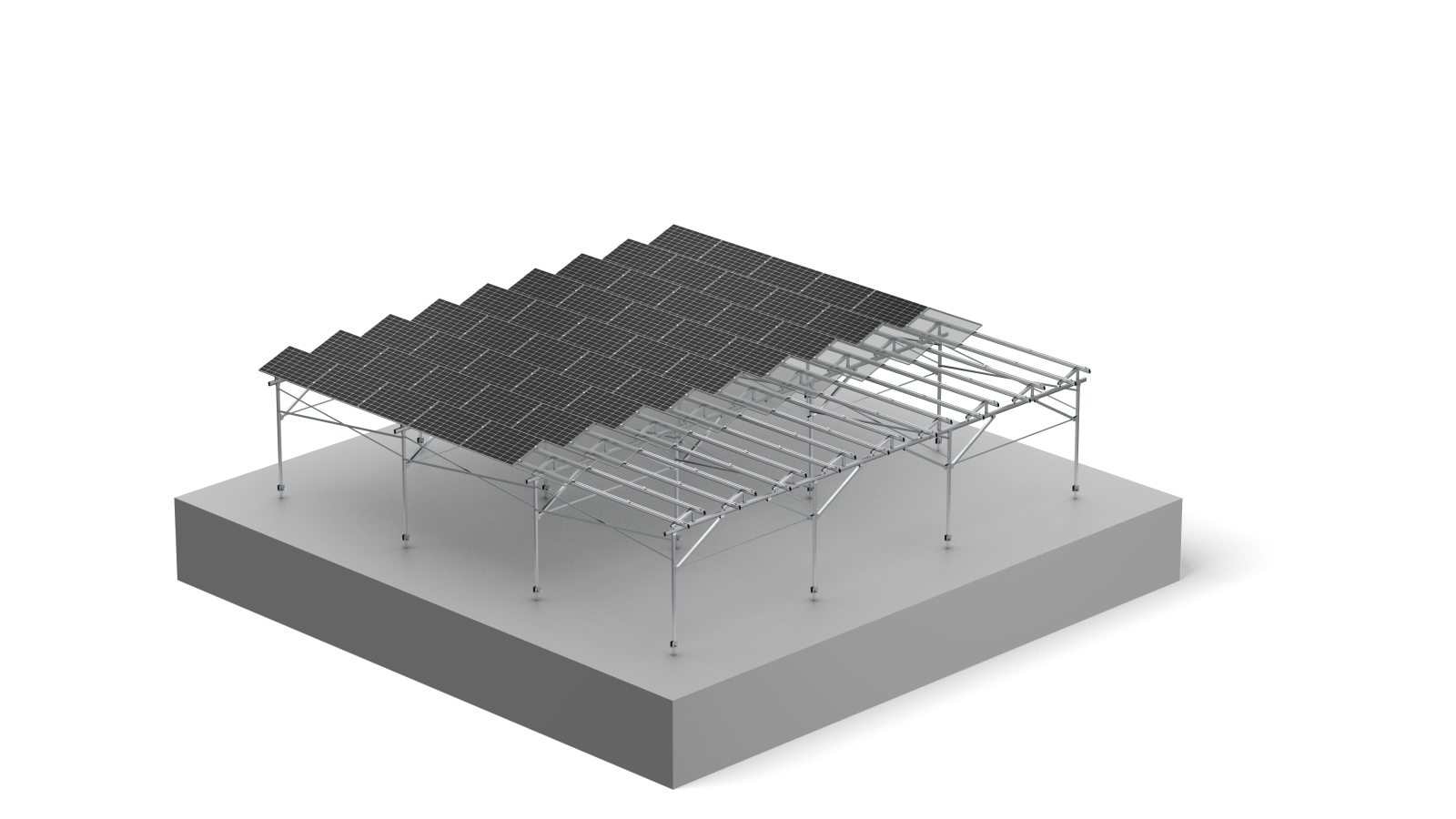
These sites often cannot be optimized with standard mounting designs. A fixed structure developed for flat terrain may require extensive grading, create unused land areas, or increase installation complexity when applied to irregular landscapes.
A capable solar ground mount manufacturer helps solve these challenges by adapting the racking system to the site rather than forcing the site to match a standard design. Through customized engineering, structural adjustments, and optimized layouts, developers can improve land utilization while maintaining system reliability.
Traditional solar layouts usually assume consistent ground conditions. However, real project sites often contain elevation differences, slopes, drainage areas, and irregular boundaries that affect how modules can be arranged.
When a standard racking system is installed on complex terrain, several problems may appear. Support structures may require different heights, module rows may become difficult to align, and construction teams may need additional field adjustments.
Terrain-adaptive design changes the approach from “preparing the land for the system” to “designing the system around the land.” This can reduce unnecessary earthwork and allow developers to consider locations that would otherwise have limited solar potential.
Customization begins with understanding the land itself. Before designing the mounting system, engineers analyze topographical information to determine how the PV array can be positioned effectively.
Elevation mapping helps identify where differences in terrain may affect module installation. Instead of creating a completely flat platform through grading, engineers can design support structures that accommodate natural variations.
This process requires coordination between site surveys, structural calculations, and installation planning. The objective is to create a mounting solution that follows the characteristics of the site while maintaining appropriate module angles and structural performance.
For commercial developers, this approach can improve project feasibility during the early design stage.
Large-scale grading is often one of the most expensive and environmentally disruptive parts of solar construction on uneven land.
A customized ground mounting system can reduce the need for extensive terrain modification by adjusting structural components to match existing conditions. Differences in column height, foundation positioning, and support arrangement can help the array adapt to the landscape.
Reducing earthwork provides several benefits. Construction activities become less complicated, project timelines may become easier to manage, and the natural characteristics of the site can be preserved.
The ability to minimize land preparation is one of the key advantages of working with a manufacturer that has strong engineering capabilities.
Terrain complexity is closely connected with foundation requirements. A site with changing elevations may also have variations in soil composition, rock layers, or ground stability.
Foundation design must consider how structural forces are transferred into the ground. Engineers may adjust pile locations, embedment depths, or installation methods based on site-specific conditions.
For example, a sloped area may require different structural support arrangements compared with a flat section of the same project. Treating the entire site with one identical foundation approach may create unnecessary limitations.
A customized design allows the foundation system to respond to actual ground conditions instead of relying on simplified assumptions.
One of the biggest technical challenges in irregular terrain projects is keeping solar modules properly aligned.
Uneven ground can create differences in elevation between adjacent support points. Without careful engineering, these variations may affect row appearance, installation accuracy, and structural loading distribution.
Manufacturers can address this challenge by adjusting structural dimensions and optimizing support configurations. The goal is to maintain consistent module positioning while allowing the mounting system to adapt to terrain changes.
This balance between flexibility and precision is essential for achieving a professional-quality solar installation.
Irregular land often contains areas that are difficult to use with conventional solar layouts. Corners, slopes, and narrow sections may remain unused if the mounting system cannot accommodate different site conditions.
Customized racking designs can improve land utilization by creating layouts that work with the available space. Engineers can adjust row arrangements and structural configurations to make better use of the project area.
For developers, improved land utilization can directly influence project economics. More installed capacity from the same site can improve overall project value without requiring additional land acquisition.
Customization is not only about changing dimensions or modifying individual components. It requires a manufacturer with engineering experience, production flexibility, and project coordination ability.
A qualified supplier should be able to translate site requirements into practical structural solutions. This includes design adjustments, manufacturing control, and support during installation.
Production capability is also important because customized components must maintain consistent quality. Even specialized designs need reliable manufacturing processes to ensure smooth project execution.
A customized mounting system should deliver value throughout the entire project lifecycle, not only during construction.
Proper terrain adaptation can improve structural stability, simplify maintenance access, and reduce future operational concerns. When the design matches site conditions from the beginning, the solar array has a stronger foundation for long-term performance.
Developers should view customization as an engineering investment rather than an additional complexity. The right approach can transform challenging land into a practical solar development opportunity.
Complex terrain requires a different mindset from conventional solar construction. Instead of relying on standard layouts, developers can achieve better results by using mounting systems designed around the specific characteristics of each site.
Antaisolar develops customized ground mounting solutions that combine terrain adaptability with engineering reliability. By integrating site analysis, structural optimization, and manufacturing expertise, tailored racking systems can help commercial projects achieve efficient installation and dependable long-term operation.
These sites often cannot be optimized with standard mounting designs. A fixed structure developed for flat terrain may require extensive grading, create unused land areas, or increase installation complexity when applied to irregular landscapes.
A capable solar ground mount manufacturer helps solve these challenges by adapting the racking system to the site rather than forcing the site to match a standard design. Through customized engineering, structural adjustments, and optimized layouts, developers can improve land utilization while maintaining system reliability.
Why Terrain-Adaptive Design Is Becoming More Important
Traditional solar layouts usually assume consistent ground conditions. However, real project sites often contain elevation differences, slopes, drainage areas, and irregular boundaries that affect how modules can be arranged.
When a standard racking system is installed on complex terrain, several problems may appear. Support structures may require different heights, module rows may become difficult to align, and construction teams may need additional field adjustments.
Terrain-adaptive design changes the approach from “preparing the land for the system” to “designing the system around the land.” This can reduce unnecessary earthwork and allow developers to consider locations that would otherwise have limited solar potential.
Turning Topographical Data Into Structural Solutions
Customization begins with understanding the land itself. Before designing the mounting system, engineers analyze topographical information to determine how the PV array can be positioned effectively.
Elevation mapping helps identify where differences in terrain may affect module installation. Instead of creating a completely flat platform through grading, engineers can design support structures that accommodate natural variations.
This process requires coordination between site surveys, structural calculations, and installation planning. The objective is to create a mounting solution that follows the characteristics of the site while maintaining appropriate module angles and structural performance.
For commercial developers, this approach can improve project feasibility during the early design stage.
Reducing Earthwork Through Flexible Mounting Design
Large-scale grading is often one of the most expensive and environmentally disruptive parts of solar construction on uneven land.
A customized ground mounting system can reduce the need for extensive terrain modification by adjusting structural components to match existing conditions. Differences in column height, foundation positioning, and support arrangement can help the array adapt to the landscape.
Reducing earthwork provides several benefits. Construction activities become less complicated, project timelines may become easier to manage, and the natural characteristics of the site can be preserved.
The ability to minimize land preparation is one of the key advantages of working with a manufacturer that has strong engineering capabilities.
Adapting Foundations to Different Ground Conditions
Terrain complexity is closely connected with foundation requirements. A site with changing elevations may also have variations in soil composition, rock layers, or ground stability.
Foundation design must consider how structural forces are transferred into the ground. Engineers may adjust pile locations, embedment depths, or installation methods based on site-specific conditions.
For example, a sloped area may require different structural support arrangements compared with a flat section of the same project. Treating the entire site with one identical foundation approach may create unnecessary limitations.
A customized design allows the foundation system to respond to actual ground conditions instead of relying on simplified assumptions.
Maintaining Module Alignment Across Uneven Landscapes
One of the biggest technical challenges in irregular terrain projects is keeping solar modules properly aligned.
Uneven ground can create differences in elevation between adjacent support points. Without careful engineering, these variations may affect row appearance, installation accuracy, and structural loading distribution.
Manufacturers can address this challenge by adjusting structural dimensions and optimizing support configurations. The goal is to maintain consistent module positioning while allowing the mounting system to adapt to terrain changes.
This balance between flexibility and precision is essential for achieving a professional-quality solar installation.
Expanding Usable Land Through Customized Layout Planning
Irregular land often contains areas that are difficult to use with conventional solar layouts. Corners, slopes, and narrow sections may remain unused if the mounting system cannot accommodate different site conditions.
Customized racking designs can improve land utilization by creating layouts that work with the available space. Engineers can adjust row arrangements and structural configurations to make better use of the project area.
For developers, improved land utilization can directly influence project economics. More installed capacity from the same site can improve overall project value without requiring additional land acquisition.
The Role of Manufacturing Capability in Custom Projects
Customization is not only about changing dimensions or modifying individual components. It requires a manufacturer with engineering experience, production flexibility, and project coordination ability.
A qualified supplier should be able to translate site requirements into practical structural solutions. This includes design adjustments, manufacturing control, and support during installation.
Production capability is also important because customized components must maintain consistent quality. Even specialized designs need reliable manufacturing processes to ensure smooth project execution.
Integrating Customization With Long-Term Project Performance
A customized mounting system should deliver value throughout the entire project lifecycle, not only during construction.
Proper terrain adaptation can improve structural stability, simplify maintenance access, and reduce future operational concerns. When the design matches site conditions from the beginning, the solar array has a stronger foundation for long-term performance.
Developers should view customization as an engineering investment rather than an additional complexity. The right approach can transform challenging land into a practical solar development opportunity.
Conclusion
Complex terrain requires a different mindset from conventional solar construction. Instead of relying on standard layouts, developers can achieve better results by using mounting systems designed around the specific characteristics of each site.
Antaisolar develops customized ground mounting solutions that combine terrain adaptability with engineering reliability. By integrating site analysis, structural optimization, and manufacturing expertise, tailored racking systems can help commercial projects achieve efficient installation and dependable long-term operation.
end