
How Solar Tracker Manufacturers Standardize Tolerances for Accelerated Field Bolt Construction
August 06, 2026
The rapid expansion of utility-scale solar projects has increased the demand for efficient installation methods, especially when construction schedules and labor costs directly influence project returns. For solar tracker manufacturers, standardizing component tolerances has become a key approach to improving field bolt construction efficiency, ensuring structural accuracy, and reducing installation risks. By combining precise engineering with advanced manufacturing processes, manufacturers can help project teams achieve faster deployment while maintaining long-term system reliability.
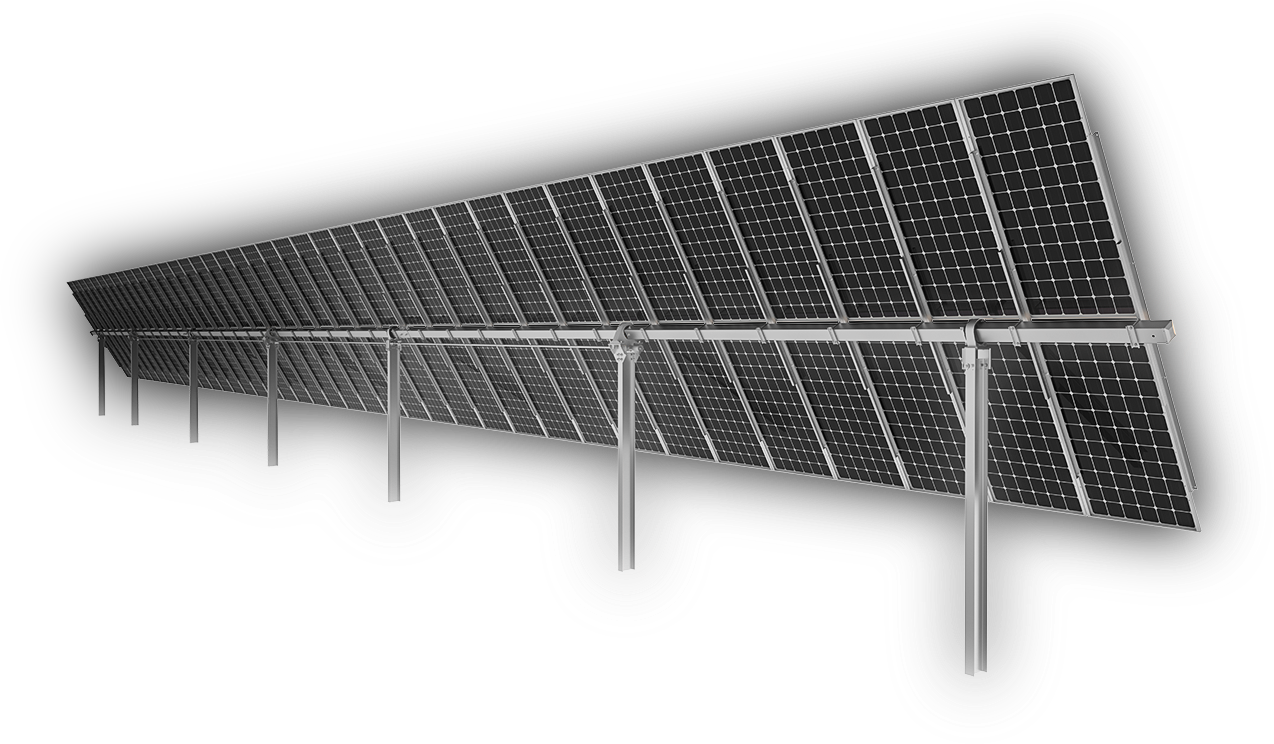
Large-scale solar projects often involve thousands of structural components installed across complex terrains. Even small dimensional deviations in components such as torque tubes, brackets, drive systems, and connection points can create alignment issues during field assembly. For this reason, solar tracker manufacturers use tolerance control to support consistent component fit during field installation.
A well-designed solar power tracking system requires consistency across the entire supply chain. Standardized tolerances allow components produced in different batches to maintain compatibility, reducing the need for manual adjustments on-site. This approach minimizes construction delays, improves installation quality, and supports more predictable project timelines.
For EPC contractors and project owners, tolerance standardization provides greater confidence in construction planning. With precisely manufactured components, teams can reduce rework, optimize labor allocation, and accelerate project completion without compromising structural performance.
The manufacturing process plays an essential role in determining how efficiently solar tracker systems can be assembled. Advanced production techniques enable solar tracker manufacturers to control component dimensions, material specifications, and connection interfaces consistently.
During field installation, standardized components allow workers to follow repeatable assembly procedures. Instead of spending additional time correcting mismatched parts, construction teams can quickly complete bolt connections according to predefined requirements. This improves productivity, particularly for utility-scale projects where installation speed significantly affects overall project economics.
Tolerance control also enhances the reliability of mechanical connections. Properly manufactured components help maintain the intended alignment and connection conditions of the tracking structure under design loads. This is especially important for projects exposed to challenging environmental conditions, including strong winds, uneven terrain, and temperature variations.
Beyond manufacturing accuracy, solar tracker manufacturers rely on engineering standards to optimize system performance and construction processes. A comprehensive approach includes structural analysis, site adaptability studies, and detailed installation guidelines.
Standardized design principles allow manufacturers to develop solutions that can adapt to different project environments while maintaining consistent installation requirements. Whether a project is located on flat land or challenging terrain, accurate tolerances help tracking systems maintain proper alignment and operational stability.
For developers, this means fewer uncertainties during project execution. A reliable solar power tracking system should not only maximize energy generation but also simplify installation and maintenance throughout its operating life. Manufacturers that prioritize tolerance management can provide stronger value by supporting both construction efficiency and long-term system durability.
While faster construction is an important goal, solar projects must also achieve decades of dependable operation. Standardized tolerances contribute to this balance by improving both short-term installation performance and long-term mechanical reliability.
When components are manufactured with consistent specifications, tracking structures can operate more smoothly. Accurate alignment reduces unnecessary mechanical stress on key components, including drive systems and structural connections. As a result, projects can maintain stable tracking performance and improve energy generation over their lifecycle.
Modern solar tracker manufacturers are also integrating intelligent technologies to further enhance system efficiency. Advanced algorithms, monitoring platforms, and optimized mechanical designs enable tracking systems to respond more effectively to changing solar conditions. Together with precise manufacturing, these innovations create more reliable solutions for utility-scale renewable energy projects.
With extensive experience in photovoltaic mounting solutions, we at Antaisolar are dedicated to advancing new energy development through technological innovation. We provide global customers with comprehensive PV mounting system solutions, including fixed mounting systems, tracking systems, and BIPV solutions that cover different materials, functions, and service requirements.
As a professional solar tracker manufacturer, we combine advanced hardware with the SmartTrail™ Algorithm to improve solar energy capture throughout the day. Our solar power tracking system solutions are designed to deliver higher energy yields compared with fixed-tilt systems while supporting customized engineering, installation guidance, and lifecycle services.
Among our advanced products, the TAI-Universal solar tracking system is designed for challenging sites and diverse environments. This 2P multiple slew-drive single-axis independent tracking solution features multi-slew-drive mechanical linkage operation, large-angle tracking capability, reduced pile usage, enhanced terrain adaptability, and higher GCR (Ground Coverage Ratio). It is also compatible with bifacial modules and equipped with the SmartTrail Intelligent Control System to optimize operational performance.
As utility-scale solar projects continue to grow, construction efficiency and system reliability will remain critical factors for industry success. Standardized tolerances enable solar tracker manufacturers to deliver solutions that simplify field installation, reduce project risks, and improve long-term performance.
Through precise engineering, intelligent technologies, and adaptable product design, Antaisolar continues to support customers worldwide in achieving more efficient and reliable solar deployment. By combining manufacturing excellence with innovative tracking solutions such as TAI-Universal, we help accelerate the transition toward a more sustainable energy future.
Why Standardized Tolerances Matter in Solar Power Tracking System Construction
Large-scale solar projects often involve thousands of structural components installed across complex terrains. Even small dimensional deviations in components such as torque tubes, brackets, drive systems, and connection points can create alignment issues during field assembly. For this reason, solar tracker manufacturers use tolerance control to support consistent component fit during field installation.
A well-designed solar power tracking system requires consistency across the entire supply chain. Standardized tolerances allow components produced in different batches to maintain compatibility, reducing the need for manual adjustments on-site. This approach minimizes construction delays, improves installation quality, and supports more predictable project timelines.
For EPC contractors and project owners, tolerance standardization provides greater confidence in construction planning. With precisely manufactured components, teams can reduce rework, optimize labor allocation, and accelerate project completion without compromising structural performance.
Precision Manufacturing Supports Faster Field Installation
The manufacturing process plays an essential role in determining how efficiently solar tracker systems can be assembled. Advanced production techniques enable solar tracker manufacturers to control component dimensions, material specifications, and connection interfaces consistently.
During field installation, standardized components allow workers to follow repeatable assembly procedures. Instead of spending additional time correcting mismatched parts, construction teams can quickly complete bolt connections according to predefined requirements. This improves productivity, particularly for utility-scale projects where installation speed significantly affects overall project economics.
Tolerance control also enhances the reliability of mechanical connections. Properly manufactured components help maintain the intended alignment and connection conditions of the tracking structure under design loads. This is especially important for projects exposed to challenging environmental conditions, including strong winds, uneven terrain, and temperature variations.
Solar Tracker Manufacturers Improve Project Efficiency Through Engineering Standards
Beyond manufacturing accuracy, solar tracker manufacturers rely on engineering standards to optimize system performance and construction processes. A comprehensive approach includes structural analysis, site adaptability studies, and detailed installation guidelines.
Standardized design principles allow manufacturers to develop solutions that can adapt to different project environments while maintaining consistent installation requirements. Whether a project is located on flat land or challenging terrain, accurate tolerances help tracking systems maintain proper alignment and operational stability.
For developers, this means fewer uncertainties during project execution. A reliable solar power tracking system should not only maximize energy generation but also simplify installation and maintenance throughout its operating life. Manufacturers that prioritize tolerance management can provide stronger value by supporting both construction efficiency and long-term system durability.
Balancing Installation Speed and Long-Term Solar Tracker Performance
While faster construction is an important goal, solar projects must also achieve decades of dependable operation. Standardized tolerances contribute to this balance by improving both short-term installation performance and long-term mechanical reliability.
When components are manufactured with consistent specifications, tracking structures can operate more smoothly. Accurate alignment reduces unnecessary mechanical stress on key components, including drive systems and structural connections. As a result, projects can maintain stable tracking performance and improve energy generation over their lifecycle.
Modern solar tracker manufacturers are also integrating intelligent technologies to further enhance system efficiency. Advanced algorithms, monitoring platforms, and optimized mechanical designs enable tracking systems to respond more effectively to changing solar conditions. Together with precise manufacturing, these innovations create more reliable solutions for utility-scale renewable energy projects.
Antaisolar Delivers Advanced Solutions with TAI-Universal Solar Tracking System
With extensive experience in photovoltaic mounting solutions, we at Antaisolar are dedicated to advancing new energy development through technological innovation. We provide global customers with comprehensive PV mounting system solutions, including fixed mounting systems, tracking systems, and BIPV solutions that cover different materials, functions, and service requirements.
As a professional solar tracker manufacturer, we combine advanced hardware with the SmartTrail™ Algorithm to improve solar energy capture throughout the day. Our solar power tracking system solutions are designed to deliver higher energy yields compared with fixed-tilt systems while supporting customized engineering, installation guidance, and lifecycle services.
Among our advanced products, the TAI-Universal solar tracking system is designed for challenging sites and diverse environments. This 2P multiple slew-drive single-axis independent tracking solution features multi-slew-drive mechanical linkage operation, large-angle tracking capability, reduced pile usage, enhanced terrain adaptability, and higher GCR (Ground Coverage Ratio). It is also compatible with bifacial modules and equipped with the SmartTrail Intelligent Control System to optimize operational performance.
Building More Efficient Solar Construction Through Standardization
As utility-scale solar projects continue to grow, construction efficiency and system reliability will remain critical factors for industry success. Standardized tolerances enable solar tracker manufacturers to deliver solutions that simplify field installation, reduce project risks, and improve long-term performance.
Through precise engineering, intelligent technologies, and adaptable product design, Antaisolar continues to support customers worldwide in achieving more efficient and reliable solar deployment. By combining manufacturing excellence with innovative tracking solutions such as TAI-Universal, we help accelerate the transition toward a more sustainable energy future.
end