
How Solar Tracker Manufacturers Structure Procurement Indemnification and Warranty Responsibilities
August 05, 2026
The rapid expansion of utility-scale solar projects has increased the complexity of procurement, risk management, and long-term operational responsibilities. Developers, EPC contractors, and investors are paying closer attention to indemnification terms and warranty liability transfers when selecting suppliers. For solar tracking projects, standardized contractual frameworks help define responsibilities, reduce uncertainties, and ensure stable project performance throughout the system lifecycle.
Large-scale photovoltaic projects involve multiple stakeholders, including developers, engineering companies, equipment suppliers, and operation teams. Each participant has different responsibilities, making clear procurement agreements essential. Standardized indemnification clauses help establish who is responsible when equipment defects, installation issues, or performance-related problems occur.
For solar tracker procurement, liability transfer mechanisms are becoming increasingly important. Buyers expect suppliers to provide clear warranty conditions covering product quality, material reliability, and system performance. These agreements allow project owners to better evaluate financial risks before investment decisions are made.
As the solar industry becomes more globalized, international projects require suppliers to meet different regulatory requirements and market expectations. Professional solar auto tracking system manufacturers are adapting their contract structures to provide clearer warranty responsibilities, technical support commitments, and after-sales service standards for customers worldwide.
Warranty policies are no longer limited to product replacement. For utility-scale solar projects, they represent a comprehensive commitment covering product durability, technical assistance, and lifecycle support. A well-defined warranty framework allows project owners to maintain predictable operating costs while reducing unexpected maintenance expenses.
Solar tracking systems operate in outdoor environments for decades, facing challenges such as temperature changes, wind loads, corrosion, and continuous mechanical movement. Therefore, procurement contracts need to specify responsibilities related to component performance, system reliability, and maintenance requirements.
Leading solar auto tracking system manufacturers are improving warranty structures by combining product guarantees with engineering services. These approaches help customers receive professional support during project development, installation, and operation stages. Clear liability transfers also encourage suppliers to maintain strict quality control throughout design, manufacturing, and delivery processes.
The international solar market includes diverse project conditions, from different climates to varying grid requirements. Standardized procurement procedures help simplify cooperation between global partners while ensuring that technical expectations remain consistent.
For utility-scale developers, supplier evaluation is not only based on equipment prices but also on long-term value. Factors such as engineering capability, product reliability, service response, and warranty coverage influence overall project profitability.
By establishing transparent responsibility boundaries, procurement agreements can reduce disputes between stakeholders. When suppliers clearly define their obligations, customers can better manage project schedules and operational risks. This trend encourages solar auto tracking system manufacturers to provide more comprehensive solutions that combine hardware performance with professional project support.
Beyond contractual protection, technology development plays a key role in reducing project risks. Advanced solar tracking systems require precise mechanical structures, intelligent control technologies, and adaptable designs to maximize energy production under different site conditions.
Modern tracker solutions are designed to improve energy yields compared with fixed-tilt systems by adjusting module angles according to solar movement. Intelligent algorithms, optimized mechanical components, and simplified maintenance processes contribute to stronger project returns.
For buyers, selecting experienced solar auto tracking system manufacturers means gaining access to reliable technology and long-term cooperation. Suppliers with strong research and development capabilities can provide customized designs that address terrain conditions, environmental challenges, and project-specific requirements.
Long-term cooperation between solar developers and suppliers depends on more than product delivery. Continuous technical communication, installation guidance, and maintenance support are becoming important factors in procurement decisions.
A reliable supplier helps customers manage risks from the early design stage to long-term operation. This includes providing engineering recommendations, assisting with installation procedures, and supporting system optimization after commissioning.
As the solar industry continues expanding, procurement models will increasingly focus on lifecycle value rather than short-term purchasing costs. Suppliers that combine advanced technology with responsible warranty commitments can help customers achieve greater confidence in their investments.
We at Antaisolar dedicate ourselves to advancing new energy development through technological innovation and comprehensive photovoltaic mounting solutions. As a trusted provider of PV mounting systems, we offer global customers fixed mounting systems, tracking systems, and BIPV solutions covering different materials, functions, and service requirements.
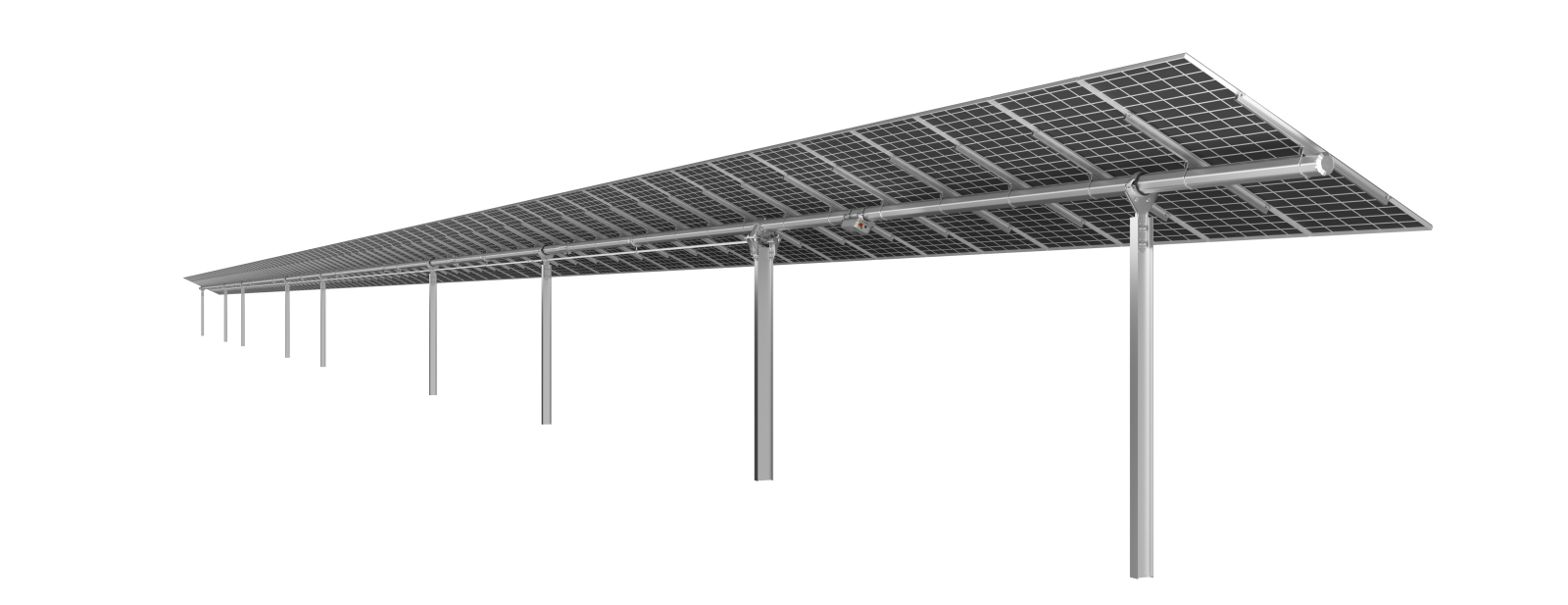
Our advanced solar tracker solutions integrate reliable hardware with the intelligent SmartTrail™ Algorithm to improve solar energy capture throughout the day. Among our solutions, AT-Spark is designed for utility-scale solar projects with a multiple slew-drive single-axis independent structure. It features multi-slew-drive mechanical linkage, slope adaptation, dual spherical bearings for flexible bearing housing design, quick installation, and easy maintenance.
AT-Spark also adopts a large-span design to reduce pile usage and supports large-angle tracking for improved energy generation potential. Compatible with bifacial modules, the system combines mechanical flexibility with intelligent control through the SmartTrail system. Through continuous innovation and professional support, we help global partners build more reliable and efficient solar projects while creating long-term value across the renewable energy industry.
Strengthening Risk Management Through Standardized Procurement Practices
Large-scale photovoltaic projects involve multiple stakeholders, including developers, engineering companies, equipment suppliers, and operation teams. Each participant has different responsibilities, making clear procurement agreements essential. Standardized indemnification clauses help establish who is responsible when equipment defects, installation issues, or performance-related problems occur.
For solar tracker procurement, liability transfer mechanisms are becoming increasingly important. Buyers expect suppliers to provide clear warranty conditions covering product quality, material reliability, and system performance. These agreements allow project owners to better evaluate financial risks before investment decisions are made.
As the solar industry becomes more globalized, international projects require suppliers to meet different regulatory requirements and market expectations. Professional solar auto tracking system manufacturers are adapting their contract structures to provide clearer warranty responsibilities, technical support commitments, and after-sales service standards for customers worldwide.
Warranty Liability Transfers Improve Project Security
Warranty policies are no longer limited to product replacement. For utility-scale solar projects, they represent a comprehensive commitment covering product durability, technical assistance, and lifecycle support. A well-defined warranty framework allows project owners to maintain predictable operating costs while reducing unexpected maintenance expenses.
Solar tracking systems operate in outdoor environments for decades, facing challenges such as temperature changes, wind loads, corrosion, and continuous mechanical movement. Therefore, procurement contracts need to specify responsibilities related to component performance, system reliability, and maintenance requirements.
Leading solar auto tracking system manufacturers are improving warranty structures by combining product guarantees with engineering services. These approaches help customers receive professional support during project development, installation, and operation stages. Clear liability transfers also encourage suppliers to maintain strict quality control throughout design, manufacturing, and delivery processes.
Contract Standards Support Global Solar Project Development
The international solar market includes diverse project conditions, from different climates to varying grid requirements. Standardized procurement procedures help simplify cooperation between global partners while ensuring that technical expectations remain consistent.
For utility-scale developers, supplier evaluation is not only based on equipment prices but also on long-term value. Factors such as engineering capability, product reliability, service response, and warranty coverage influence overall project profitability.
By establishing transparent responsibility boundaries, procurement agreements can reduce disputes between stakeholders. When suppliers clearly define their obligations, customers can better manage project schedules and operational risks. This trend encourages solar auto tracking system manufacturers to provide more comprehensive solutions that combine hardware performance with professional project support.
Technology Innovation Drives Long-Term Tracker Reliability
Beyond contractual protection, technology development plays a key role in reducing project risks. Advanced solar tracking systems require precise mechanical structures, intelligent control technologies, and adaptable designs to maximize energy production under different site conditions.
Modern tracker solutions are designed to improve energy yields compared with fixed-tilt systems by adjusting module angles according to solar movement. Intelligent algorithms, optimized mechanical components, and simplified maintenance processes contribute to stronger project returns.
For buyers, selecting experienced solar auto tracking system manufacturers means gaining access to reliable technology and long-term cooperation. Suppliers with strong research and development capabilities can provide customized designs that address terrain conditions, environmental challenges, and project-specific requirements.
Building Sustainable Partnerships Through Complete Lifecycle Support
Long-term cooperation between solar developers and suppliers depends on more than product delivery. Continuous technical communication, installation guidance, and maintenance support are becoming important factors in procurement decisions.
A reliable supplier helps customers manage risks from the early design stage to long-term operation. This includes providing engineering recommendations, assisting with installation procedures, and supporting system optimization after commissioning.
As the solar industry continues expanding, procurement models will increasingly focus on lifecycle value rather than short-term purchasing costs. Suppliers that combine advanced technology with responsible warranty commitments can help customers achieve greater confidence in their investments.
Advancing Utility-Scale Solar Performance with Antaisolar's AT-Spark Solution
We at Antaisolar dedicate ourselves to advancing new energy development through technological innovation and comprehensive photovoltaic mounting solutions. As a trusted provider of PV mounting systems, we offer global customers fixed mounting systems, tracking systems, and BIPV solutions covering different materials, functions, and service requirements.
Our advanced solar tracker solutions integrate reliable hardware with the intelligent SmartTrail™ Algorithm to improve solar energy capture throughout the day. Among our solutions, AT-Spark is designed for utility-scale solar projects with a multiple slew-drive single-axis independent structure. It features multi-slew-drive mechanical linkage, slope adaptation, dual spherical bearings for flexible bearing housing design, quick installation, and easy maintenance.
AT-Spark also adopts a large-span design to reduce pile usage and supports large-angle tracking for improved energy generation potential. Compatible with bifacial modules, the system combines mechanical flexibility with intelligent control through the SmartTrail system. Through continuous innovation and professional support, we help global partners build more reliable and efficient solar projects while creating long-term value across the renewable energy industry.
end