
How to Choose Solar Panel Mounting Brackets for Coastal Metal Roof Projects
August 27, 2026
Coastal solar projects offer significant renewable energy opportunities, but they also present unique engineering challenges. High humidity, salt exposure, strong winds, and changing weather conditions can affect the long-term performance of photovoltaic installations. For metal roof projects in coastal areas, selecting reliable mounting components is essential to ensure structural safety, system durability, and stable energy generation. Choosing suitable solar panel mounting brackets for metal roof applications requires careful evaluation of material quality, roof compatibility, installation methods, and environmental adaptability.
Coastal environments create more demanding conditions compared with inland locations. Salt mist and high moisture levels can accelerate corrosion on metal components, while strong coastal winds increase structural pressure on rooftop solar systems.
For developers, EPC contractors, and engineering teams, mounting solutions must provide long-term resistance against environmental stress. The brackets and supporting structures should maintain mechanical strength while minimizing risks related to corrosion, loosening, or structural damage.
Selecting solar panel mounting brackets for metal roof projects in coastal regions requires more than considering initial installation costs. The overall lifecycle performance of the mounting system directly influences project reliability and maintenance requirements.
Material selection is one of the most important factors when choosing rooftop solar mounting components. Coastal projects require mounting brackets that can withstand continuous exposure to moisture and salt particles.
High-quality aluminum alloys, stainless steel components, and corrosion-resistant coatings are commonly used to improve system durability. These materials help maintain structural performance throughout the expected service period and reduce the frequency of maintenance activities.
When evaluating solar panel mounting brackets for metal roof applications, project owners should consider whether the materials are suitable for the specific coastal environment. The selected mounting system should be evaluated against the project's corrosion exposure, wind loads, roof profile, and installation requirements.
Metal roofs come in various designs, and each profile requires an appropriate mounting approach. Common metal roof types include Kliplok, trapezoidal, and standing seam profiles. Choosing brackets that match the roof structure helps ensure secure attachment while protecting the integrity of the roofing system.
A compatible mounting solution reduces installation complexity and minimizes the risk of roof damage. It also allows installers to complete projects more efficiently while maintaining reliable structural connections.
For commercial and industrial solar projects, flexibility is particularly valuable. Mounting systems that support different metal sheet roof types enable developers to apply consistent solutions across various project conditions.
Coastal areas often experience stronger wind conditions, making structural stability a critical consideration. Solar mounting systems must be designed to handle wind loads while maintaining the correct position of photovoltaic modules.
The design of brackets, rails, and supporting structures directly affects the system’s ability to resist external forces. Appropriate structural configurations, secure connection points, and project-specific load calculations can improve overall stability.
When selecting solar panel mounting brackets for metal roof projects, engineering teams should evaluate wind resistance performance alongside installation convenience. A well-designed system provides both safety and efficiency throughout the project lifecycle.
Installation efficiency has a direct impact on solar project schedules and labor expenses. Mounting systems with highly pre-assembled components can simplify installation procedures and reduce onsite workload.
For large-scale commercial rooftop projects, faster installation helps minimize disruption to existing operations. It also improves construction planning by allowing teams to complete more installation work within shorter timeframes.
Efficient mounting solutions should balance easy installation with reliable performance. Components need to be simple enough for practical deployment while maintaining the structural strength required for long-term operation.
A successful metal roof solar project requires a mounting solution that supports both present requirements and future operational needs. Flexibility, durability, and compatibility are key factors that influence long-term system value.
As solar technology continues developing, project owners increasingly focus on solutions that optimize energy generation while reducing maintenance challenges. A reliable mounting system provides a strong foundation for achieving these goals.
Working with experienced suppliers allows businesses to access professional engineering support and application-specific recommendations. This cooperation helps ensure that rooftop solar installations perform effectively under challenging coastal conditions.
We at Antaisolar dedicate ourselves to advancing renewable energy development through technological innovation and providing comprehensive PV mounting system solutions. We support global customers with fixed mounting systems, tracking systems, and BIPV solutions designed for different applications and project requirements.
Our Metal Roof Solar Mounting Systems are developed to support various metal sheet roof structures, including Kliplok, trapezoidal, and standing seam profiles. These solutions provide reliable options for customers looking for solar panel mounting brackets for metal roof projects in commercial and industrial applications.
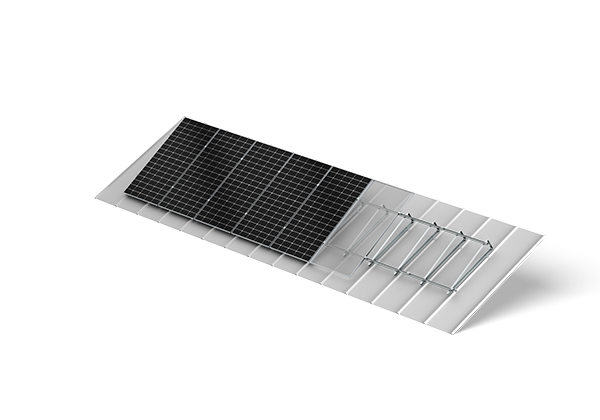
Our Triangle System features a strong triangular structure designed for wind and tensile resistance, making it suitable for metal roof solar mounts in demanding environments. The system angles are optimized to improve sunlight exposure and enhance photovoltaic conversion performance.
With fixed installation angles of 7°, 10°, and 15°, the Triangle System uses highly pre-assembled components to simplify installation and reduce labor costs. It is compatible with corrugated metal roof solar mount applications and provides flexible options for different rooftop requirements.
Through durable engineering, adaptable designs, and professional support, we help global partners develop reliable solar projects that perform efficiently even in challenging coastal environments. Our metal roof solar mounting systems provide the structural foundation needed to maximize the long-term value of rooftop solar investments.
Understanding Coastal Challenges for Metal Roof Solar Projects
Coastal environments create more demanding conditions compared with inland locations. Salt mist and high moisture levels can accelerate corrosion on metal components, while strong coastal winds increase structural pressure on rooftop solar systems.
For developers, EPC contractors, and engineering teams, mounting solutions must provide long-term resistance against environmental stress. The brackets and supporting structures should maintain mechanical strength while minimizing risks related to corrosion, loosening, or structural damage.
Selecting solar panel mounting brackets for metal roof projects in coastal regions requires more than considering initial installation costs. The overall lifecycle performance of the mounting system directly influences project reliability and maintenance requirements.
Evaluating Material Durability and Corrosion Resistance
Material selection is one of the most important factors when choosing rooftop solar mounting components. Coastal projects require mounting brackets that can withstand continuous exposure to moisture and salt particles.
High-quality aluminum alloys, stainless steel components, and corrosion-resistant coatings are commonly used to improve system durability. These materials help maintain structural performance throughout the expected service period and reduce the frequency of maintenance activities.
When evaluating solar panel mounting brackets for metal roof applications, project owners should consider whether the materials are suitable for the specific coastal environment. The selected mounting system should be evaluated against the project's corrosion exposure, wind loads, roof profile, and installation requirements.
Ensuring Compatibility with Different Metal Roof Profiles
Metal roofs come in various designs, and each profile requires an appropriate mounting approach. Common metal roof types include Kliplok, trapezoidal, and standing seam profiles. Choosing brackets that match the roof structure helps ensure secure attachment while protecting the integrity of the roofing system.
A compatible mounting solution reduces installation complexity and minimizes the risk of roof damage. It also allows installers to complete projects more efficiently while maintaining reliable structural connections.
For commercial and industrial solar projects, flexibility is particularly valuable. Mounting systems that support different metal sheet roof types enable developers to apply consistent solutions across various project conditions.
Considering Wind Resistance and Structural Stability
Coastal areas often experience stronger wind conditions, making structural stability a critical consideration. Solar mounting systems must be designed to handle wind loads while maintaining the correct position of photovoltaic modules.
The design of brackets, rails, and supporting structures directly affects the system’s ability to resist external forces. Appropriate structural configurations, secure connection points, and project-specific load calculations can improve overall stability.
When selecting solar panel mounting brackets for metal roof projects, engineering teams should evaluate wind resistance performance alongside installation convenience. A well-designed system provides both safety and efficiency throughout the project lifecycle.
Improving Installation Efficiency and Reducing Project Costs
Installation efficiency has a direct impact on solar project schedules and labor expenses. Mounting systems with highly pre-assembled components can simplify installation procedures and reduce onsite workload.
For large-scale commercial rooftop projects, faster installation helps minimize disruption to existing operations. It also improves construction planning by allowing teams to complete more installation work within shorter timeframes.
Efficient mounting solutions should balance easy installation with reliable performance. Components need to be simple enough for practical deployment while maintaining the structural strength required for long-term operation.
Selecting Flexible Solutions for Long-Term Solar Performance
A successful metal roof solar project requires a mounting solution that supports both present requirements and future operational needs. Flexibility, durability, and compatibility are key factors that influence long-term system value.
As solar technology continues developing, project owners increasingly focus on solutions that optimize energy generation while reducing maintenance challenges. A reliable mounting system provides a strong foundation for achieving these goals.
Working with experienced suppliers allows businesses to access professional engineering support and application-specific recommendations. This cooperation helps ensure that rooftop solar installations perform effectively under challenging coastal conditions.
Supporting Coastal Solar Projects with Antaisolar's Metal Roof Solutions
We at Antaisolar dedicate ourselves to advancing renewable energy development through technological innovation and providing comprehensive PV mounting system solutions. We support global customers with fixed mounting systems, tracking systems, and BIPV solutions designed for different applications and project requirements.
Our Metal Roof Solar Mounting Systems are developed to support various metal sheet roof structures, including Kliplok, trapezoidal, and standing seam profiles. These solutions provide reliable options for customers looking for solar panel mounting brackets for metal roof projects in commercial and industrial applications.
Our Triangle System features a strong triangular structure designed for wind and tensile resistance, making it suitable for metal roof solar mounts in demanding environments. The system angles are optimized to improve sunlight exposure and enhance photovoltaic conversion performance.
With fixed installation angles of 7°, 10°, and 15°, the Triangle System uses highly pre-assembled components to simplify installation and reduce labor costs. It is compatible with corrugated metal roof solar mount applications and provides flexible options for different rooftop requirements.
Through durable engineering, adaptable designs, and professional support, we help global partners develop reliable solar projects that perform efficiently even in challenging coastal environments. Our metal roof solar mounting systems provide the structural foundation needed to maximize the long-term value of rooftop solar investments.
end